
 Lauge Risom Koch

Indonesia urges Russia to halt recruiting its citizens for the war in Ukraine amid concerns over predatory practices and human trafficking.

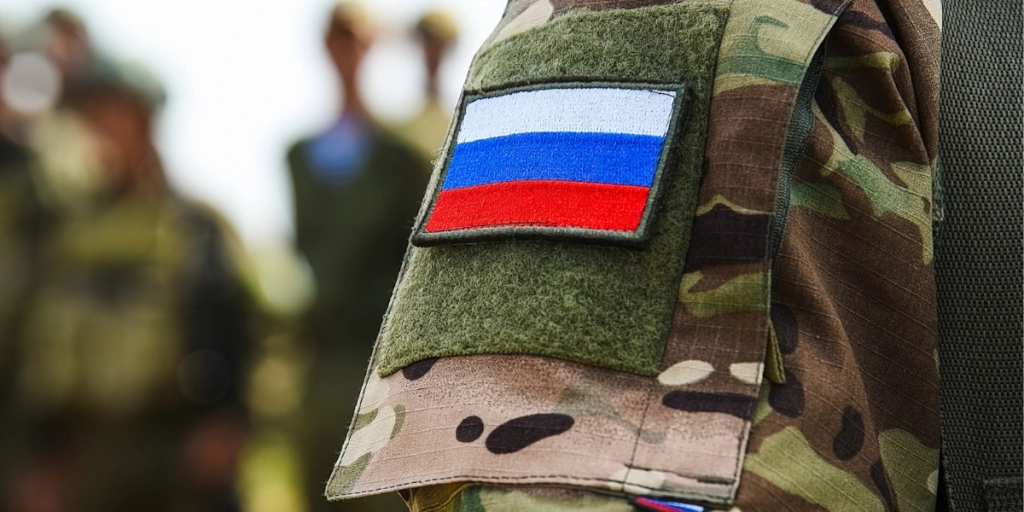
Indonesia has asked Russia to halt the recruitment of Indonesian citizens into its armed forces following reports that a national was killed fighting in Ukraine. According to United24 Media, diplomatic officials in Jakarta conveyed the request to Moscow through official government channels. The diplomatic intervention followed Ukrainian intelligence disclosures confirming that an Indonesian civilian died shortly after being deployed to front-line combat.
Indonesian Foreign Ministry spokesperson Yvonne Mewengkang confirmed the formal diplomatic communication regarding military enlistment practices. “The Indonesian government asked the Russian government to take all necessary steps to ensure that no Indonesians will be recruited into the Russian military or any other military-related position in Russia through any avenues,” Mewengkang stated. She added that Jakarta harbors serious concerns that certain foreign recruitment practices could amount to human trafficking.
The Indonesian government specifically requested that Moscow place Indonesia on a formal exemption list barring its nationals from foreign military enlistment. Indonesian diplomats stationed in Moscow are currently examining and verifying reports regarding the casualty’s legal status and military role. Authorities in Jakarta emphasized that immediate implementation of the exemption policy is essential to protect vulnerable job seekers abroad.
Details of the Indonesian casualty in Donetsk
Details regarding the deceased Indonesian national emerged through investigative findings published by Ukraine’s Defense Intelligence Directorate. According to a separate United24 Media report, 48-year-old Taufiq Muhammad was killed during his first combat engagement in the Donetsk region. Muhammad had previously worked as a taxi driver in Jakarta and as an agricultural company manager before traveling abroad.


Russian recruiters reportedly contacted Muhammad after obtaining a professional résumé he had submitted while seeking civilian employment opportunities. Investigators noted that he accepted the foreign military contract following promises of substantial financial compensation and easy earnings. Muhammad signed a one-year service contract near Moscow in April 2026 before being assigned to serve as a combat machine gunner.
The recruit received only 10 days of basic military preparation at a specialized training facility near Voronezh. Russian commanders transferred him to occupied Ukrainian territory in early May before deploying his unit directly into offensive operations. Muhammad was killed during an assault advancing from Zelena Dolyna toward defensive positions in Novoselivka and Drobysheve.
Scale of Russian foreign recruitment networks
The incident in eastern Ukraine highlights a broader campaign by Moscow to enlist foreign fighters to sustain its ongoing military operations. Ukrainian intelligence agencies previously reported that Russian military structures identified at least 27 Yemeni nationals for battlefield deployment in September. Recruiters targeted these foreign recruits by offering lucrative salaries, sign-on bonuses, and expedited legal residency status inside Russia.
Data from Ukraine’s Coordination Headquarters for the Treatment of Prisoners of War reveals the sweeping international reach of the recruitment program. Nearly 46,000 foreign citizens representing 151 different nations have signed contracts with the Russian Defense Ministry during the conflict. Moscow established an official target to enlist 18,500 foreign recruits throughout 2026 to offset high personnel losses along the frontline.
Russian defense officials have already enlisted more than 16,000 foreign nationals toward their annual quota this year. Many foreign recruits encounter misleading contractual promises before being rapidly deployed into hazardous frontline combat roles with minimal preparation. Diplomatic missions across Southeast Asia and the Middle East continue monitoring reports of predatory recruitment networks operating in their regions.



