
 Kenneth Glad

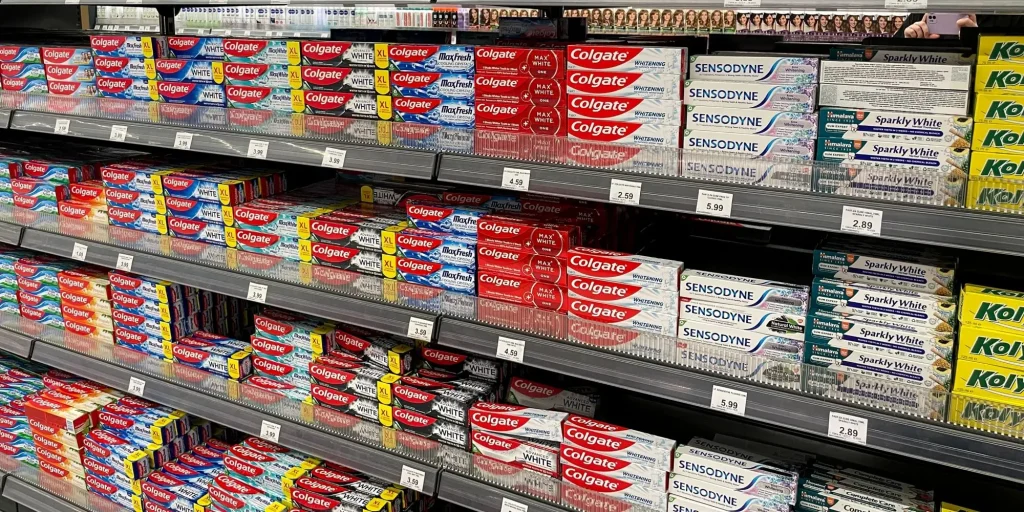
Standing in the toiletries aisle can feel like navigating a health food shop. Store shelves are crowded with products wrapped in green packaging and promising a purer way to start the day. But picking the wrong tube could mean a painful dentist bill.

Shoppers are increasingly buying toothpastes loaded with aloe vera, green tea, and neem. The outside packaging often features buzzwords like organic, herbal, or natural.
Those words sound healthy. In reality, they simply mean the ingredients come from plants or follow specific farming methods. None of those popular buzzwords guarantee protection against tooth decay.
According to The Conversation, researchers in the UK reviewed hundreds of dental products in 2021 to see what they actually contained. Out of five hundred options from ninety-five distinct brands, nearly a third completely missed the mark on fluoride. Others hid their actual amounts.
The cavity-fighting mineral
Plaque is a sticky film of bacteria that builds up in your mouth. Those bugs feed on dietary sugar.


When they eat, they spit out harmful acid. That acid slowly eats away at your hard outer tooth enamel.
Fluoride acts as a shield to stop this damage. A massive 2019 Cochrane review of 96 studies proved that brushing with this mineral cuts down on tooth decay.
Plant extracts have their uses. A 2024 review suggested herbal washes could soothe swollen gums. Yet scientists found zero hard evidence proving that plants can truly replace fluoride.
Real-world consequences
Swapping your standard paste for a natural alternative carries actual risks. One medical report highlighted a stark warning.
Dental professionals writing in the British Dental Journal in 2019 shared a cautionary tale. They treated a student who suffered severe tooth decay shortly after abandoning standard toothpaste for an organic, fluoride-free option.
Charcoal products present entirely different problems. A 2023 review found limited proof that charcoal actually whitens smiles. In fact, researchers noted the gritty texture might just rub away your delicate enamel instead.
Checking the numbers
Finding the right product is simple. Check the packaging for the parts per million.
According to the UK National Health Service, adults need a concentration of at least 1,350 ppm. Babies under three just require a tiny smear containing 1,000 ppm.
Kids aged three to six require a pea-sized drop ranging from 1,000 to 1,500 ppm. For best results, brush twice daily and spit without rinsing.



