
 Jens Asbjørn Bøgen

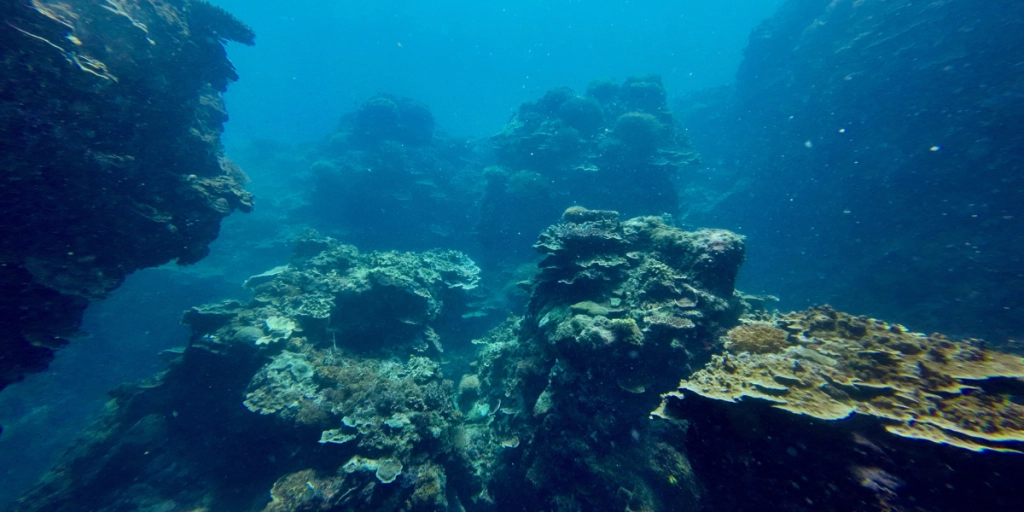
The team lowered a generator to the bottom of the volcano, and it managed to produce more electricity, than the system consumed.


Nearly a mile below the Pacific, about 300 miles off the Oregon coast, sits an active underwater volcano.
Scientists have monitored Axial Seamount for years through a seafloor fiber-optic cable, watching it swell and vent hot fluid into the surrounding water. This fall, a small Seattle startup turned the volcano into something else: a power station.
In late September, Endurance Energy lowered a three-ton test plant called Adélie to the seafloor and drilled a short well into the volcanic rock. The well did not flow strongly enough to run the generator, so the team moved the plant to a nearby natural hydrothermal vent and briefly ran a turbine on the hot fluid pouring out of it.
For 8.7 seconds, the system produced more electricity than it used, reaching a peak of 16.5 kilowatts and a median net output of about 2 kilowatts, the company said in an October 19 announcement.


That short run is the first time a seafloor geothermal system has produced net-positive electricity, as reported by Canary Media, a specialty clean-energy outlet that covered the test.
A short run, a long road
The well itself went only about 52 feet into the volcanic rock, well short of the 200-foot target, and measured roughly two inches across.
Water rose through it at about 260 degrees Celsius (500 degrees Fahrenheit), but the narrow borehole throttled the flow.
The natural vent the team pivoted to ran hotter, at around 281 degrees Celsius (538 degrees Fahrenheit), and spun the turbine at about 26,000 revolutions per minute.
The run ended quickly. A software glitch tripped a battery safety system, and a cable feeding the refrigerant pump failed when the team tried to restart
The three-week mission, operated remotely from Seattle over the National Science Foundation’s Regional Cabled Array, closed there.
“We follow the adage ‘make it exist, then make it good,'” founder and CEO Andrew Redd, a former SpaceX engineer, told Canary Media. “Adélie made it exist, and now we know it’s possible.”
What comes next
Endurance plans to return to Axial Seamount this winter with Gentoo, an upgraded version of Adélie aimed at higher output and longer runs.
A larger commercial system, called Leopard, is designed for 2 megawatts.
The company’s first commercial customer is the Kingdom of Tonga, a Pacific island nation whose grid relies heavily on imported diesel.
Endurance is targeting first power there in 2027, with a 2-megawatt unit off the Tongan coast.
Redd has also flagged environmental questions the company has yet to answer. Larger systems running continuously for years, he said in the company’s October announcement, could affect the surrounding water column, biological communities and seafloor habitat. No peer-reviewed paper on the Adélie test has been published.



