
 Jens Asbjørn Bøgen

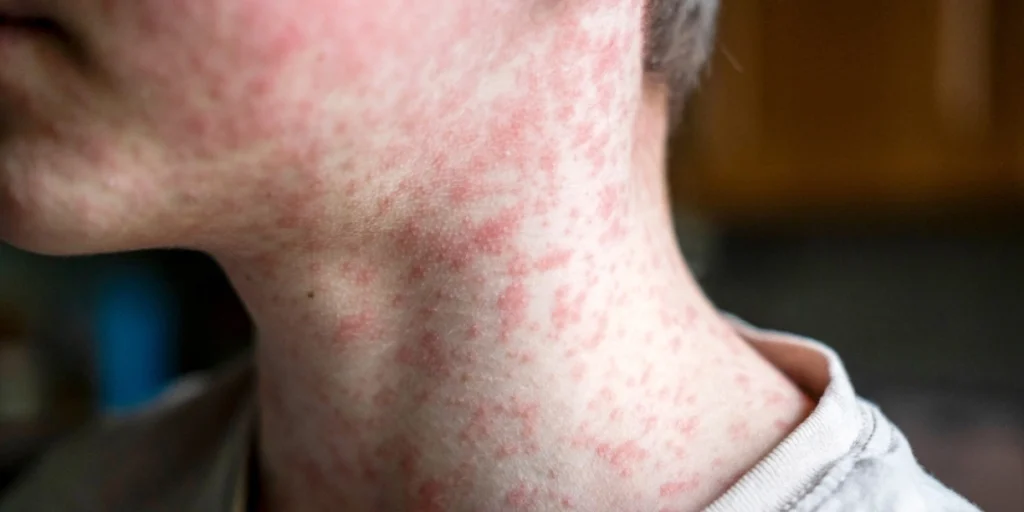
A childhood vaccine that has saved millions of lives is still on the shelf, and the disease it blocks is spreading again across every inhabited continent.


Measles was declared eliminated from the United States in 2000, and for most of this century it looked like a disease on the retreat.
That trajectory has now reversed on every inhabited continent, and the figures public health agencies are tracking in 2026 are not the kind the vaccine was supposed to allow.
The World Health Organization estimates roughly 11 million people worldwide contracted measles in 2024, with outbreaks reported across Africa, Asia, Europe and the Americas, according to an analysis in The Conversation.
According to CDC provisional data compiled from WHO figures covering March through August 2026, Bangladesh leads the global count with 65,439 cases, followed by Indonesia with 46,578 and Guatemala with 31,222.


That is happening despite a vaccine the CDC confirms is 97% effective against measles after two doses and 93% effective after one.
The problem is not the shot. The problem is how many arms it is reaching.
The 95 percent rule
Measles is one of the most contagious diseases known. To stop it from circulating, roughly 95% of a population must be immune, either through vaccination or prior infection. Below that line, pockets of susceptible people grow large enough for the virus to chain through a community.
The United States has fallen below that line. National two-dose MMR coverage for children entering kindergarten dropped from 95.2% in 2019-2020 to 92.5% in 2024-2025, with over three-quarters of states now below the threshold, according to the Kaiser Family Foundation.
The numbers in the field followed. The CDC has confirmed 4,588 US measles cases in 2026 as of October 22, the highest annual total since 1991. Roughly 96% of patients were unvaccinated or had unknown vaccination status, Medical Daily reported, citing CDC figures, with three deaths and about 479 hospitalizations.
Three forces pushing the virus back
The resurgence has three overlapping drivers.
COVID-19 disrupted routine childhood immunization for years, leaving a cohort of so-called zero-dose children who never caught up.
Armed conflict in Sudan, Yemen, Somalia and the Democratic Republic of Congo has cut vaccine supply chains and shuttered clinics.
And in high-income countries sitting close to the 95% line, declining trust in childhood vaccines has eroded coverage enough to let the virus take hold again.
The WHO’s own data shows the human cost of the gap. The agency credits vaccination with reducing global measles deaths from 780,000 in 2000 to about 95,000 in 2024, an 88% drop. Where coverage slips, that curve bends the other way.



