
 Jens Asbjørn Bøgen

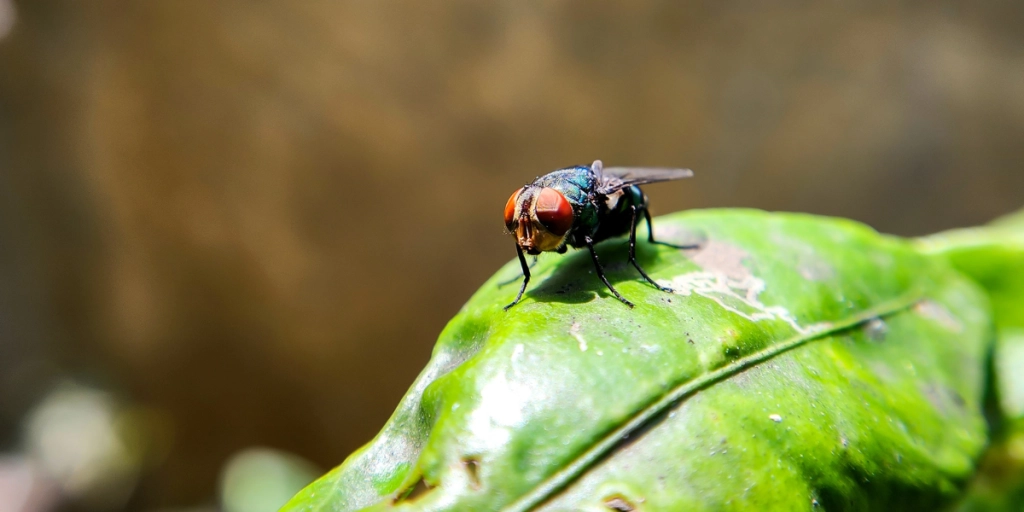
A parasite the United States beat sixty years ago is back across the southern border—and the race to contain it is on.


For most of a lifetime, the New World screwworm was a chapter closed by American agriculture, something retired ranchers remembered and younger ones only read about.
That memory has been overtaken by the daily case log at the US Department of Agriculture.
Federal officials have now confirmed 116 New World screwworm infestations in Texas, New Mexico and Arizona as of November 5, 2026, with 56 of those still active, according to the USDA’s Animal and Plant Health Inspection Service.
It is the first time the flesh-eating fly has been detected across three mainland states since the late 1970s.


The caseload has moved fast. USDA logged four domestic cases in August, three in September, 36 in October and 24 in the first four days of November, High Plains Journal reported from USDA’s own tallies.
Most infestations have involved cattle, horses, sheep and pets. Two wildlife cases, both elk in Pecos and Jeff Davis counties, Texas, have been confirmed.
A pest the US eradicated in 1966
The screwworm (Cochliomyia hominivorax) is not a nuisance insect. The female lays hundreds of eggs at the edge of an open wound on a warm-blooded animal, and the hatched larvae burrow into the living flesh with hook-like mouthparts.
Untreated, the infestation can kill a calf, a fawn or a working dog within a week or two.
The United States was declared free of the parasite in 1966, after one of the most ambitious biological campaigns in agricultural history.
USDA scientists Edward F. Knipling and Raymond C. Bushland pioneered the sterile insect technique, mass-rearing male flies, sterilizing them with gamma radiation and releasing them by the hundreds of millions to swamp wild populations.
The method eradicated the screwworm from the United States in 1966 and later from much of Central America, holding the line at the Darien Gap in Panama for decades.
Why the fly has pushed north again
A barrier that held through climate cycles and trade shifts is no longer holding the way it did. Entomologists point to shifting conditions along the southern border as part of the explanation.
“As we’re coming into the fall and the weather’s getting milder, that’s likely having an impact on fly numbers,” Texas A&M entomology professor Aaron Tarone told KBTX. Mild autumn temperatures extend the breeding window the fly needs to establish itself further north.
Hunters pressed into service as sentinels
Texas opened its general white-tailed deer season on November 7, putting hundreds of thousands of hunters into pastures and brush country just as the caseload spiked.
The Texas Parks and Wildlife Department is asking hunters to inspect every harvested animal for open sores or wounds containing live maggots, and to note a foul, rotted-flesh odor around the carcass.
Suspected wildlife cases should be reported to TPWD at (512) 389-4505; livestock and pet cases go to the Texas Animal Health Commission at (800) 550-8242.
Construction on a new USDA sterile-fly plant at Moore Air Base in Edinburg, Texas, broke ground in April and is scheduled to finish in April 2027, initially producing 100 million sterile flies per week before ramping up to a full capacity of 300 million per week.



