
 Kenneth Glad

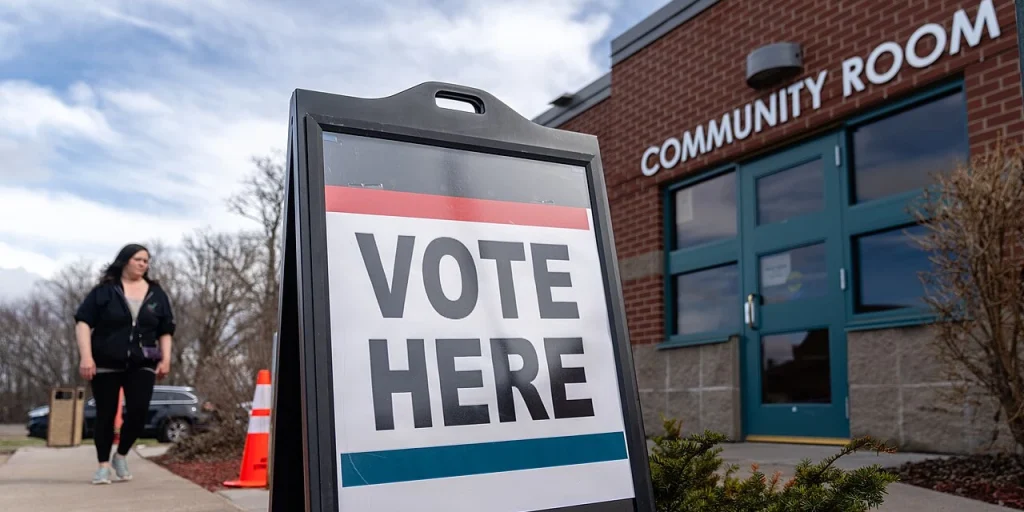
In divided countries, political loyalty often feels as fixed as family ties at a holiday dinner table. Voters rarely switch sides. Yet recent US elections show that even stubborn loyalties can quietly crack.

During the US midterms, thousands of reliable Republican voters broke ranks in states Donald Trump won easily in 2024. Rising fuel prices squeezed household budgets. And worries about democratic norms pushed many wavering citizens away from their usual party.
According to an Associated Press survey, nearly 80,000 voters ranked the state of democracy second only to the economy. More than three in ten respondents named it their top concern. For researchers, that shift posed a puzzle.
Earlier studies suggested American partisanship was nearly unbreakable. Research by Cambridge University found that voters often excuse rule-breaking by their own leaders rather than backing rivals. So why did so many Republicans finally cross the line?
Measuring hidden doubt
Political scientist Laurits Florang Aarslew argues in science outlet Videnskab that past studies watched the wrong metric. For his 2026 British Journal of Political Science study, he tested 8,800 Americans on fair wins versus election cheating like fake ballots or gerrymandering, redrawing maps for partisan gain.


Few voters jumped straight to the rival party. Even after blatant election cheating, only eight percent chose the opposition, Aarslew found. Still, 20 percent backed an independent candidate, while other research shows many frustrated voters simply stay home.
Beneath the surface, the damage ran deeper. Using emotional rating scales, Aarslew found attachment to a voter’s own party dropped by up to 28 percentage points after cheating. Even diehard loyalists cooled toward their side.
How loyalty erodes
One broken rule rarely flips a loyal voter overnight. Instead, repeated norm violations slowly wear down trust, Aarslew explains. Once that bond weakens, everyday pressures like high gas prices can push alienated voters to defect.
The Kansas Senate race captured that split clearly. Associated Press survey data showed 13 percent of Republicans backed Democrat Adam Hamilton. Support reached 31 percent among non-MAGA Republicans, compared with just one percent among MAGA voters.
With a presidential race coming in two years, both parties face a quiet warning. Voters rarely revolt overnight. Yet every bent rule weakens party ties, slowly turning loyal supporters into willing defectors.



