
 Kenneth Glad

Most days, living down the road from an Army depot is quiet enough that you forget what sits behind the fence. Until a routine check turns up trouble. Across southeast Iowa, thousands of people are tearing up their Friday plans.


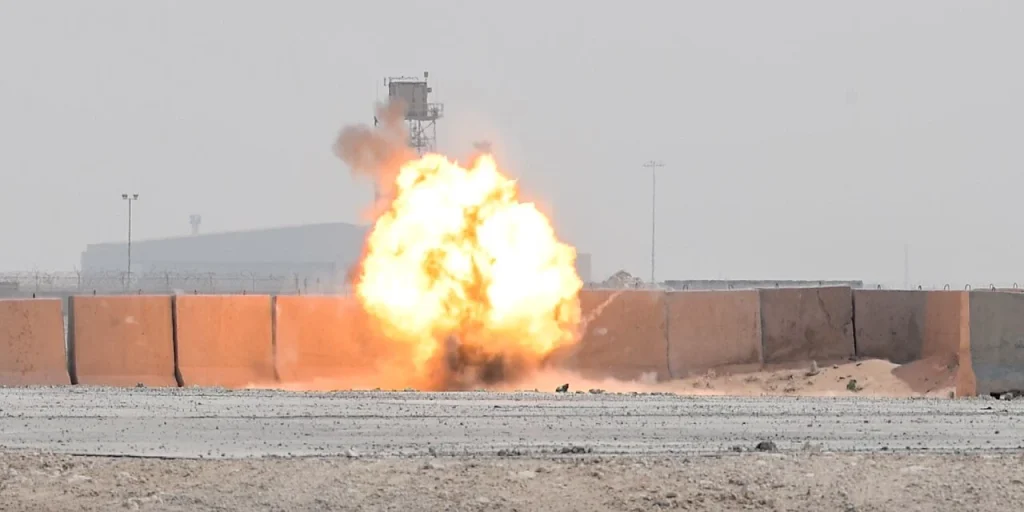
On Friday, Nov. 20, the U.S. Army will blow up five tons of unstable chemicals at its Middletown ammunition plant in southeast Iowa. According to Fox News, crews will destroy 68 drums of lead azide, a compound used to trigger munitions.
Moving the barrels is off the table. Over years in storage, the chemical went through recrystallization, a crystal buildup that makes it dangerously sensitive to shock and friction. The Army labeled the stockpile an “explosive safety hazard” that was “deemed unsafe for relocation.”
Because the material could go off on its own, the Environmental Protection Agency approved an emergency permit on Nov. 13. The agency said it posed “an imminent and substantial threat to human health and the environment.”
Clearing the blast zone
Officials told Middletown’s nearly 400 residents to leave home between 8 a.m. and 2 p.m. Friday, Fox News reported. Thousands more live downwind, so warnings reached towns up to 100 miles away.


Some schools along the projected path canceled classes for the day. Maps shared by officials show wind could push a plume of lead-laced dust toward communities to the north.
The danger first surfaced back in March during a plant review. At the time, plant commander Lt. Col. Daniel Nosse stressed that local safety came first, and the Army later held an October public meeting to outline its plans.
Containing the dust cloud
Army engineers are taking heavy precautions before triggering the two rapid blasts. According to the Army, the barrels “will be detonated inside earth-covered magazines made of concrete, and surrounded with Hesco barriers full of sand which are approximately two stories high.”
Water will also play a big role in trapping particles. Crews plan to soak the soil above the bunkers and spray water misters throughout the operation, Fox News noted.
Expect loud booms, shaking ground, and a visible cloud that should clear within an hour, the Army said. Still, its computer models show airborne lead levels will stay well below federal action limits.



