
 August M
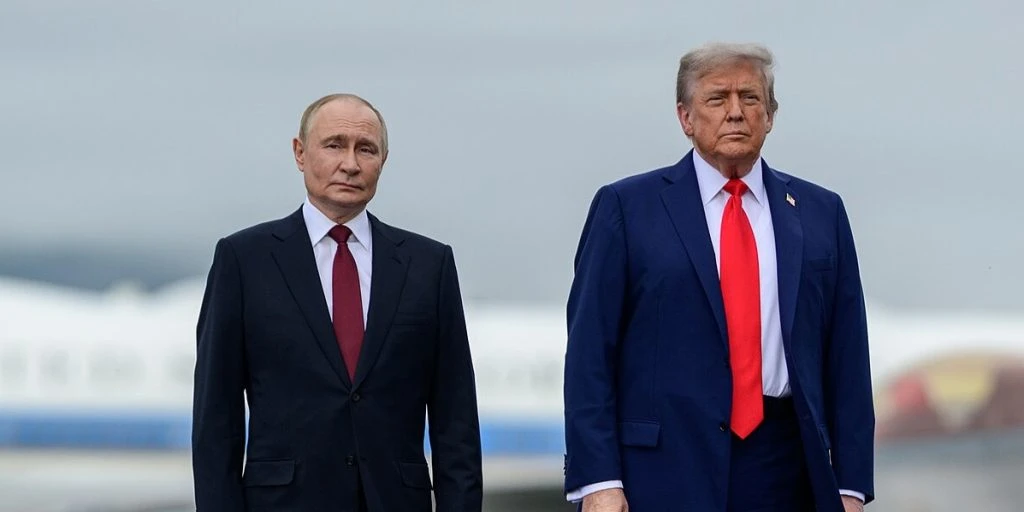
Donald Trump’s assertion that he secured a temporary halt in Russia’s war on Ukraine has been challenged by events on the battlefield.


The rules underline the IOC’s effort to balance sporting participation with political and ethical restrictions, reports LADbible.
Trump’s diplomacy claims
Trump said last week that he had personally convinced Russian President Vladimir Putin to pause attacks on Ukraine for a week, citing extreme winter conditions and his relationship with the Kremlin leader.
“I personally asked President Putin not to fire on Kiev and the cities and towns for a week during this … extraordinary cold,” Trump said during a White House cabinet meeting, adding that Putin “agreed to that.”
The White House, however, did not provide clear details on the scope or timing of any ceasefire, leaving room for differing interpretations of what had actually been discussed.


Kremlin messaging tactics
After Trump’s comments, Moscow framed the understanding far more narrowly. Russian officials suggested any restraint was limited to critical energy infrastructure and would last only a short time, ending by February 1.
Kremlin spokesman Dmitry Peskov said Trump had made a “personal request” to halt attacks on Kyiv by that date, describing it as an effort to “create favorable conditions for negotiations.”
According to analysts cited by Newsweek, this reflects a familiar Russian approach: offering limited cooperation to ease pressure while maintaining military operations and later denying that broader commitments were ever made.
Military reality and Ukrainian response
On the ground, Ukrainian officials say Russian attacks continued throughout the period Trump described as a ceasefire. Ukraine’s ambassador to the US, Olha Stefanishyna, presented evidence of post-announcement strikes to the State Department, Newsweek reported.
President Volodymyr Zelensky said Russia launched about 70 missiles and 450 drones in a single night, hitting targets in Kyiv, Kharkiv, Dnipro and other regions.
“Taking advantage of the coldest winter days to terrorize people is more important for Russia than diplomacy,” Zelensky wrote on X.
Foreign Minister Andrii Sybiha echoed that view, accusing Moscow of exploiting winter conditions to intensify attacks while making promises abroad. Russia has denied breaching any deal, arguing it never agreed to a full ceasefire.
Sources: Ziare.com, Newsweek



