
 Camilla Jessen
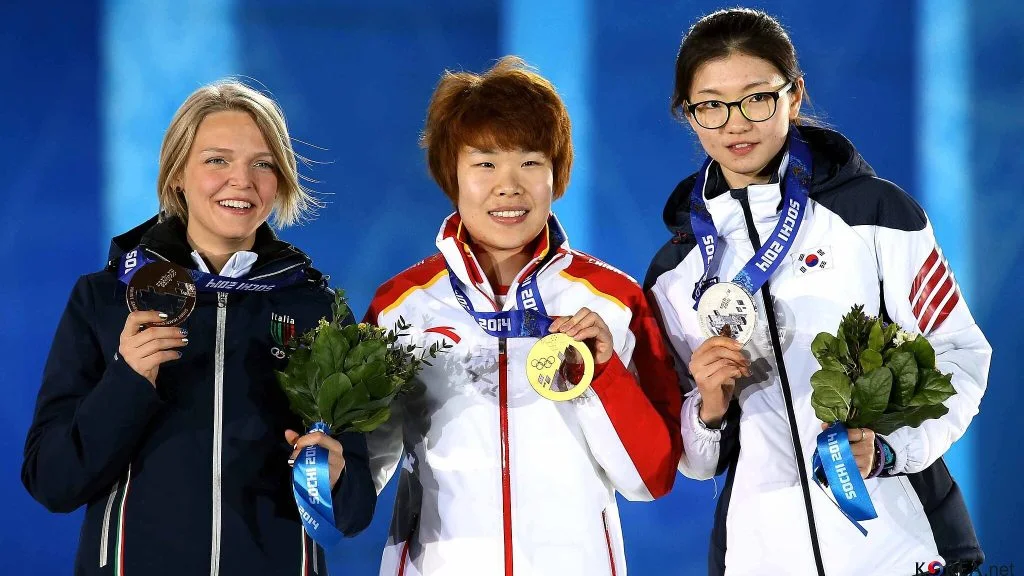
Who pays Olympians the most? Full Winter Games breakdown.


As the Winter Olympics get underway in Milan, athletes from around the world are preparing for the biggest stage in sport.
For many, the rewards extend far beyond medals.
No bonus for team GB
Team GB is unusual among Olympic delegations because it does not pay athletes prize money for winning medals. British competitors receive an annual stipend of £27,800, according to bet365, intended to cover training and living costs rather than reward podium finishes.
Athletes are free to supplement this income through sponsorships and advertising.


In 2024, the BBC reported that sprinter Dina Asher-Smith could earn between “£1m and £10m a year” from brand deals, illustrating how elite British athletes often rely on commercial income rather than medal bonuses.
Big money abroad
In contrast, many countries pay athletes directly for medal success.
According to Forbes, bonuses can range from a few thousand pounds to well over half a million for a single gold medal.
Singapore and Hong Kong offer the highest rewards, with gold medallists eligible for payments worth more than £560,000. A number of European countries also provide six-figure bonuses, while others offer more modest incentives.
Here is the full breakdown of reported gold-medal bonuses for the 2026 Winter Olympics, based on Forbes data and converted where applicable:
- Singapore – $787,000 (£580,000)
- Hong Kong – $768,000 (£565,000)
- Poland – $355,000 (£261,498)
- Kazakhstan – $250,000
- Italy – $213,000 (£184,000)
- Cyprus – $177,000 (£130,000)
- Bulgaria – $151,000 (£111,000)
- Lithuania – $133,000 (£97,000)
- Kosovo – $130,000 (£95,000)
- Estonia – $118,000 (£86,900)
- Czechia – $117,000 (£86,100)
- Spain – $111,000 (£81,000)
- Greece – $106,000 (£76,000)
- Slovenia – $81,000 (£59,000)
- Andorra – $71,000 (£52,000)
- Slovakia – $71,000 (£52,000)
- Brazil – $67,000 (£49,000)
- Switzerland – $64,000 (£47,000)
- Finland – $59,000 (£43,000)
- Portugal – $59,000 (£43,000)
- Croatia – $48,000 (£35,000)
- Montenegro – $41,000 (£30,000)
- United States – $37,500 (£27,000)
- Germany – $35,000 (£25,000)
- Netherlands – $35,000 (£25,000)
- Liechtenstein – $32,000 (£23,000)
- Malaysia – $20,000 (£14,000)
- Norway – $17,000 (£12,500)
- Denmark – $16,000 (£11,700)
- Canada – $15,000 (£11,000)
- Australia – $13,000 (£9,500)
- Argentina – $8,000 (£5,800)
- New Zealand – $3,000 (£2,200)
While financial rewards vary widely, athletes often say money is not the main motivation.
Sources: Forbes, BBC, The Wall Street Journal



