
 Edith Hejberg

Despite years of fighting, Moscow has struggled to secure decisive breakthroughs.
Yet expectations from the top remain unchanged.


Analysts at the Institute for the Study of War say Russia’s military leadership is setting goals that far exceed its real capabilities.
According to their latest assessment, the Kremlin continues to impose strict timelines that do not match the army’s battlefield performance.
The result, they argue, is mounting losses with limited territorial gains.
The gap between ambition and reality is becoming harder to ignore.
Ambitious plans for 2025–2027
Russian generals are reportedly working toward sweeping objectives for the next two years.
These include capturing the remaining parts of the Donetsk and Luhansk regions.
Plans also envision further offensives in Zaporizhzhia and Kherson.
Even the full occupation of the Odessa region is said to be part of the strategy.
Little chance of meeting the targets
ISW analysts believe Russia has slim prospects of achieving these goals within the stated timeframe.
They describe the deadlines as extremely unrealistic.
Despite years of fighting, Moscow has struggled to secure decisive breakthroughs.
Yet expectations from the top remain unchanged.
Acting in an “alternative reality”

The report suggests that Russian command decisions resemble planning in an “alternative reality”.
Operational demands appear disconnected from the army’s actual combat strength.
This mismatch, analysts warn, risks prolonging the war without meaningful strategic progress.
It also fuels continued high casualty rates.


Refusal to freeze the front
ISW stresses that Moscow shows no willingness to freeze the fighting in the south.
Instead, the Kremlin maintains territorial ambitions beyond the five regions it has already annexed.
The continued push toward broader control signals a long-term offensive mindset.
There is no visible pivot toward compromise.
Pressure to deliver symbolic victories
Analysts say the Kremlin’s leadership feels compelled to demonstrate steady progress.
Public deadlines create the impression of momentum and control.
When they are missed, however, the gap between rhetoric and reality widens.
Still, new timelines continue to be announced.
A pattern dating back to 2022
This approach has defined Moscow’s strategy since the early days of the invasion.
In February 2022, Russian forces aimed to capture Kyiv quickly.
Later, officials set repeated deadlines for the full occupation of Donbas.
Each objective proved far more difficult than expected.
Heavy costs, limited returns

The repeated offensives have required massive spending of troops and equipment.
Casualties have mounted over four years of full-scale war.
Yet the territorial map has changed only incrementally.
ISW argues that the scale of sacrifice has not delivered strategic breakthroughs.
Four years without decisive progress

After four years of fighting, Russia has not achieved a major turning point on the battlefield.
Advances have been gradual rather than transformative.
The front line remains contested across multiple regions.
Ambition, however, continues to outpace results.
Criticism from pro-russian voices

Even pro-Kremlin Z channels have expressed concern over excessive expectations.
Some have questioned the human cost tied to unrealistic goals.
Despite such criticism, military leaders have not lowered their demands.
The official line still emphasizes eventual success.
Shaping perceptions abroad

ISW notes that Vladimir Putin has presented these goals to the United States as achievable and even inevitable.
The message aims to influence how Washington views Ukraine’s position.
By projecting confidence, Moscow seeks to frame resistance as futile.
It is part of a broader information strategy.
Maintaining the narrative at home
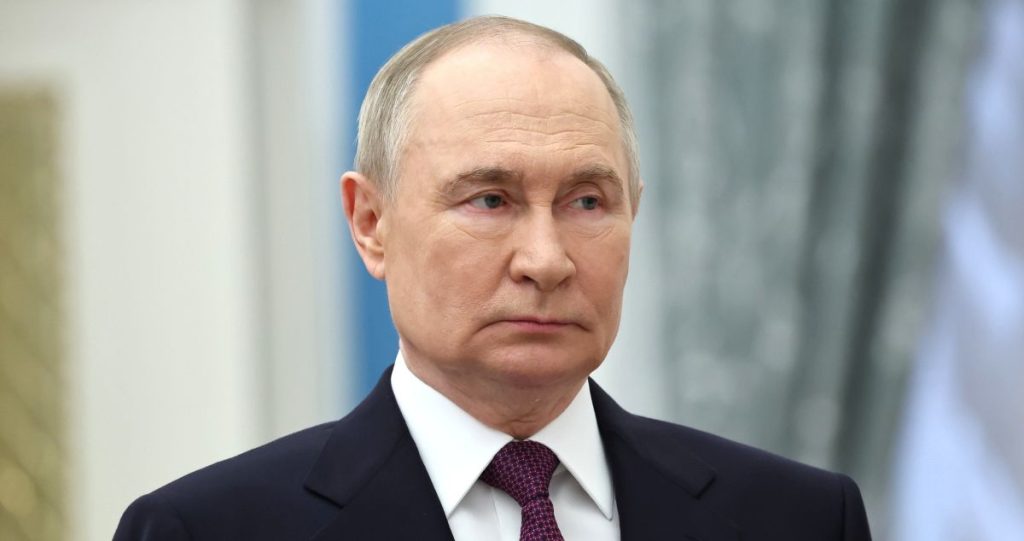
The Kremlin also uses this rhetoric to sustain domestic confidence.
Portraying victory as certain helps reinforce political stability.
Deadlines and bold objectives serve a symbolic purpose.
They signal determination, even when battlefield results remain mixed.
A war with lasting global impact
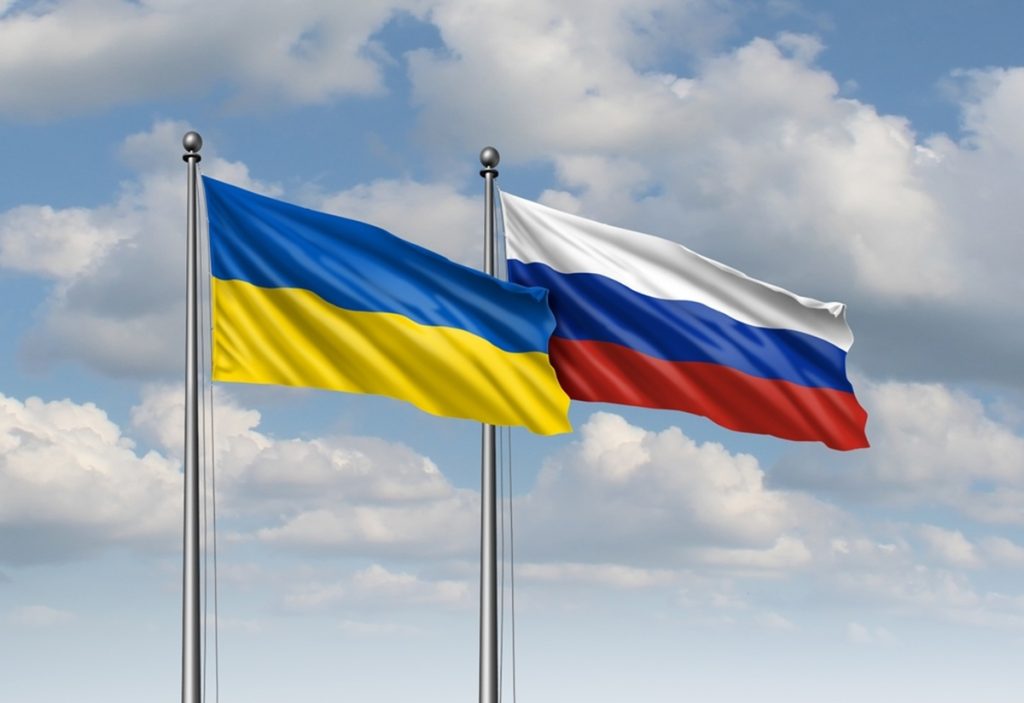
The conflict began on February 24, 2022, with Russia’s full-scale invasion of Ukraine.
It quickly expanded into air strikes, ground battles, and cyber operations.
The war continues to shape European security and strain the global economy.
Despite setbacks and mounting costs, Russia has not abandoned its ambitions, while Ukraine continues to defend itself with international support.



