
 Edith Hejberg

Before the pandemic, life satisfaction tended to rise alongside GDP per person.
That relationship broke down during the Covid crisis.


New official figures show that dissatisfaction with life in the UK has not improved since the Covid pandemic.
Despite signs of economic recovery, many people still report feeling unhappy with their lives.
Data from the Office for National Statistics (ONS) suggests the country has not returned to its pre-pandemic wellbeing levels.
For many households, the sense of recovery has yet to be felt in daily life.
Life satisfaction still below its pre-pandemic peak

The ONS personal wellbeing survey shows average life satisfaction remains below where it stood before Covid.
This is the case even though the economy has shown signs of improvement in recent years.
GDP per person has been rising since 2021.
Yet higher economic output has not translated into stronger wellbeing.
Economic progress has not restored wellbeing

Before the pandemic, life satisfaction tended to rise alongside GDP per person.
That relationship broke down during the Covid crisis.
According to the ONS, the two measures “diverged sharply”.
Since then, they have yet to move back into alignment.
Living standards slipped again in late 2025

The report also highlighted recent pressure on living standards.
GDP per person fell slightly in both the third and fourth quarters of 2025.
In the final three months of the year, GDP per person stood at £10,127.
That was down 0.1% from the previous quarter, although still slightly higher than a year earlier.


Dissatisfaction surged during the pandemic

Life dissatisfaction rose sharply at the height of Covid.
Between 2020 and 2021, the share of people reporting low life satisfaction jumped quickly.
The rate reached a nine-year high in early 2021.
At that time, 6.4% of adults aged 16 and over said they felt very unsatisfied with life.
Levels improved slightly but remain elevated

After the peak in 2021, dissatisfaction fell somewhat.
However, it has stayed close to 5% ever since.
The latest figures, covering July to September 2025, show 5.1% of adults felt very unsatisfied with life.
This suggests the pandemic’s impact on wellbeing has lingered.
Middle-aged adults report the lowest satisfaction

The survey found clear differences between age groups.
Adults aged 45 to 64 reported the highest levels of dissatisfaction with life.
In contrast, people aged 30 to 34 were the least likely to say they were unhappy.
These differences point to uneven experiences across the population.
Some positive signs in high life satisfaction

Not all the data points to worsening wellbeing.
The share of adults reporting very high life satisfaction increased over the past year.
It rose from 25.5% in July to September 2024 to 26.7% during the same period in 2025.
Even so, overall wellbeing remains below earlier highs.
Trust in the uk government remains low

Public trust in government also remains weak.
ONS figures show that only about one in five adults reported trusting the UK government.
The survey recorded a trust level of 21.9% between December 2025 and January 2026.
Low trust can influence how people view economic and social progress.
Health ratings have also declined

Alongside life satisfaction, people’s views of their health have worsened.
The share of adults reporting good or very good health has fallen notably since the pandemic.
It dropped from 76% at the end of 2020 to 70.9% by the final quarter of 2025.
The ONS described this as “a sustained post-pandemic decline in overall health”.
Long-term sickness affecting the workforce

The fall in health ratings reflects wider trends in the labour market.
Separate data shows economic inactivity due to long-term sickness has risen since Covid.
More people are unable to work because of ongoing health problems.
This shift has become a major issue for policymakers.
Households remain cautious about the future

Consumer surveys suggest many households still feel uncertain.
Inflation has eased, falling to 3% in January from 3.4% a month earlier.
Interest rates have also been gradually declining.
Yet confidence about the future remains fragile.
Financial worries weigh on consumer confidence
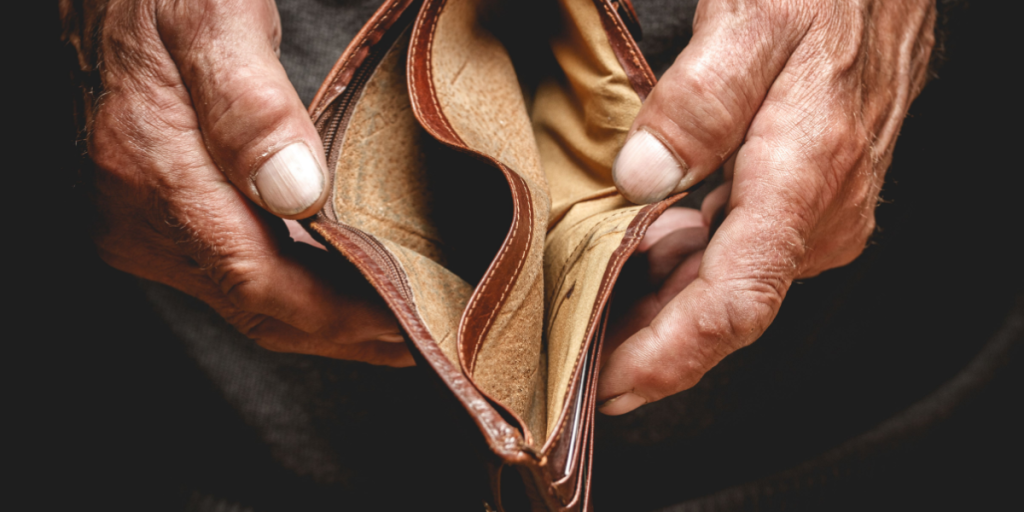
A long-running survey by GfK found consumer confidence slipped in February.
It was the first fall in three months.
More people reported worries about their personal finances over the year ahead.
Another report from S&P Global described the mood among households as “dismal”, with concerns about debt, savings and financial prospects.



