
 Kenneth Glad
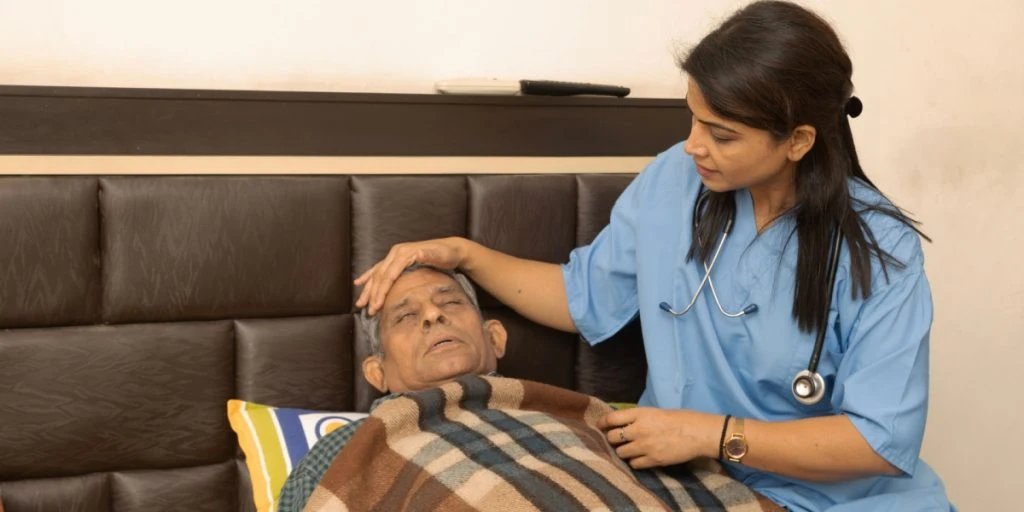
Rarely heard reflections have been brough into public view. The thoughts come from people nearing death, shared quietly with nurses and now echoed in a national appeal. Some of the messages are simple. They’re also hard to ignore.


Marie Curie, a UK charity providing palliative and end-of-life support, has launched the campaign in partnership with Superdrug, reports The Mirror. The goal is to raise £200,000, enough to fund more than 8,500 hours of nursing care.
At a London store, the message felt tangible. Cardboard placards, handwritten in thick marker, carried short lines of advice gathered from patients, propped up between shelves of everyday products. Some focused on family, others on time, all reduced to a few direct words.
Radio presenter Kemi Rodgers attended the event. She said: “Having previously worked in healthcare, I know that one of the most striking parts is hearing the quiet wisdom people share with those around them in life’s most important moments.”
The campaign runs from April 22 to May 19 and links purchases in-store to donations, turning routine shopping into support for end-of-life care.


Common reflections
Across different patients, similar thoughts tend to surface. Conversations often circle back to relationships, especially things left unresolved.
Ashleigh Wood, a Marie Curie nurse, said: “Spending time with people in their final days gives you a very clear sense of what really matters.”
She indicated that many people wish they had spoken more openly or let go of resentment sooner.
The Mirror’s reporting on the campaign also highlights how often patients mention time lost to stress or overwork.
There is a pattern to it. As time becomes limited, priorities narrow, and what once seemed urgent can start to look less important.
Personal routines
Alongside these reflections, small daily actions can carry unexpected weight. For some patients, keeping up familiar routines becomes a way to hold onto identity.
Wood explained that “small acts of self-care” such as brushing hair or wearing a favourite lipstick are not about appearance but about “identity, dignity and doing things that make them feel good”.
Other messages repeat across stories: worry less, make time count, fix arguments before they stretch on.
The campaign’s message is straightforward. These are lessons people arrive at eventually, but not always in time to act on them.
Sources: The Mirror, Marie Curie, Superdrug



