
 Mikkel Christensen
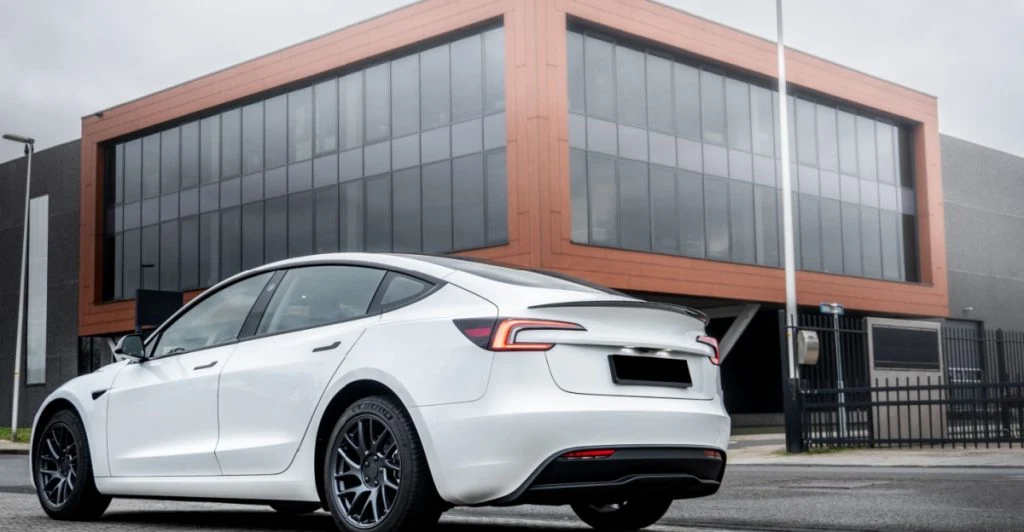
Tesla is adjusting its sales strategy as demand for its sedan weakens in key markets.


Tesla is adjusting its sales strategy as demand for its sedan weakens in key markets.
New perks are being introduced as the company navigates shifting consumer preferences in the EV sector.
Sales pressure
According to The Driven, Tesla delivered 1,363 Model 3 vehicles in Australia in the first quarter of 2026, a drop from 2,046 units during the same period last year.
The decline reflects a broader market trend, with buyers increasingly favoring SUVs over traditional sedans, intensifying pressure on the Model 3.


Incentives introduced
In response, Tesla has launched fresh incentives in the United States aimed at boosting demand. According to The Driven, buyers who order and take delivery of a new Model 3 can receive up to one year of free Supercharging.
In a message to customers, the company said: “Avoid rising gas prices and pay nothing to power your car for the next year. With a new Model 3 Premium or Model 3 Performance, you’ll get free Supercharging for a year—so your charging costs are covered.”
Technology focus
Tesla is also using its software features to attract buyers. The company highlighted its Full Self-Driving (FSD) Supervised system as part of the ownership experience.
The email noted: “To make your drive easier, activate Full Self-Driving (Supervised) and let your Model 3 take you to your next Supercharging stop.”
Global strategy
According to The Driven, Tesla has been testing different incentives across markets. In Australia, it previously offered a $2,000 trade-in bonus to stimulate early 2026 sales.
The company has also expanded after-sales benefits, including a five-year unlimited-kilometre warranty for new vehicles, replacing the earlier four-year or 80,000 km coverage.
Charging network edge
Tesla continues to rely on its charging infrastructure as a competitive advantage. According to The Driven, prices on its Supercharger network in Australia can fall to around $0.27 per kWh during off-peak periods.
With more than 150 sites now active nationwide, the network remains a central part of Tesla’s pitch, even as competition in the EV market grows.
Sources: The Driven



