
 Edith Hejberg
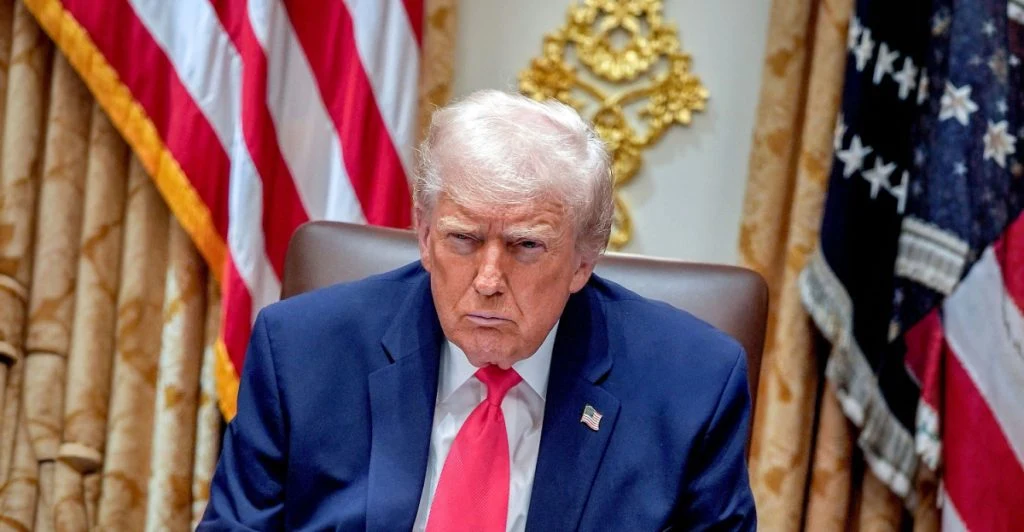
The mediators reportedly said Iran was making progress toward a compromise position.


The United States and Iran are moving toward a possible agreement designed to end the ongoing conflict, according to a regional source familiar with the talks.
The proposed arrangement would take the form of a short memorandum aimed at creating a diplomatic path out of the crisis.
While negotiations appear to be gaining momentum, Trump administration officials warned that previous rounds of talks had collapsed at the last minute.
Even so, both sides are now showing signs of renewed engagement after weeks of tension and uncertainty.


Pakistani mediators deliver encouraging update

The White House received positive feedback from Pakistani mediators on Tuesday, administration officials told CNN.
The mediators reportedly said Iran was making progress toward a compromise position.
American officials welcomed the development but remained cautious about celebrating too early.
Pakistan has quietly become an important intermediary in helping both sides maintain communication during the conflict.
Trump shifts toward a simpler peace strategy

Sources familiar with the negotiations said President Donald Trump is simplifying the issues being discussed.
The approach appears intended to help moderate figures within the Iranian government return to the negotiating table.
Instead of attempting to settle every disagreement immediately, negotiators are focusing first on ending active hostilities.
More difficult disputes could then be handled later through extended talks.
Moderates inside Iran may regain influence
The regional source said the softer diplomatic approach may strengthen moderates within Iran’s leadership.
According to the source, previous military pressure campaigns gave hardliners more political influence.
The White House now appears to believe that reducing tensions could create room for compromise.
That calculation is shaping the administration’s latest diplomatic strategy.
A one-page framework is now circulating

A person familiar with the discussions said negotiators are working from a one-page draft proposal.
The framework reportedly addresses several major issues connected to ending the war.
The document would formally declare an end to the conflict while opening a 30-day negotiation period.
During that time, unresolved matters would continue to be discussed.
The plan would launch a 30-day negotiation phase

The proposed memorandum is not intended to solve every dispute immediately.
Instead, it would create a temporary framework for continued diplomacy over the following month.
Negotiators would use the 30-day period to tackle difficult questions tied to nuclear policy and regional security.
Officials hope the arrangement could prevent further military escalation while talks continue.
Nuclear restrictions remain a central issue
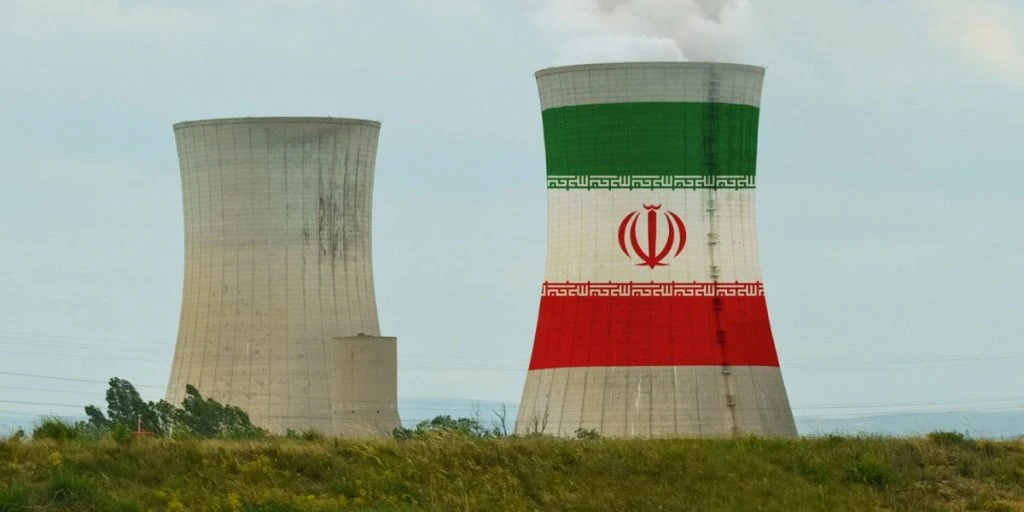
Iran’s nuclear program continues to sit at the center of negotiations.
Sources said the proposed agreement includes discussion of a moratorium on uranium enrichment.
The restriction would reportedly last longer than 10 years under the current proposal.
An earlier American offer had suggested a 20-year limitation.
Iran may ship enriched uranium abroad
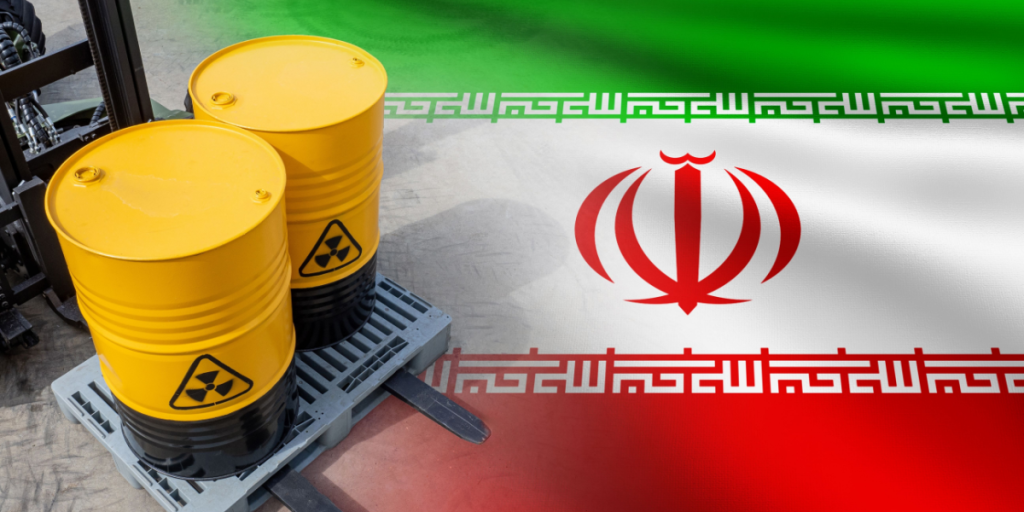
Another major sticking point involves Iran’s stockpile of highly enriched uranium.
Under the developing proposal, Iran would be required to move the material out of the country.
Exactly where the uranium would go and how the transfer would work remains under discussion.
Negotiators are still debating several technical and political details surrounding the arrangement.
Talks also focus on frozen Iranian assets

The memorandum would reportedly address the issue of frozen Iranian financial assets.
Iran has long pushed for access to funds restricted under international sanctions.
The issue remains highly sensitive in both Tehran and Washington.
Officials see it as one of the key areas likely to require intensive negotiation during the proposed 30-day window.
Security in the Strait of Hormuz is critical
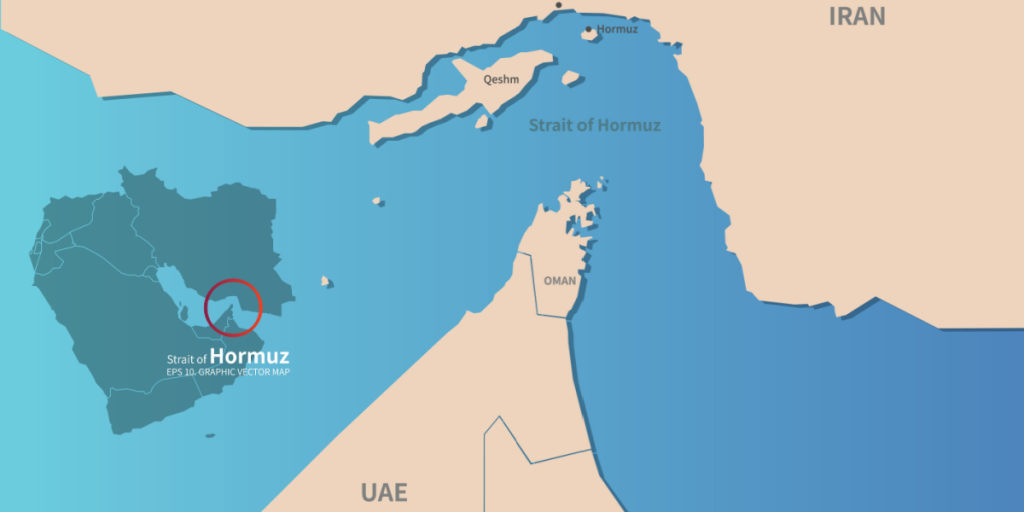
Another major topic involves future security in the Strait of Hormuz.
The waterway is one of the world’s most important energy shipping routes.
Recent fighting in the region disrupted maritime traffic and increased fears of broader economic instability.
Both sides appear eager to restore stability and reopen secure passage through the strait.
Trump pauses “Project Freedom”
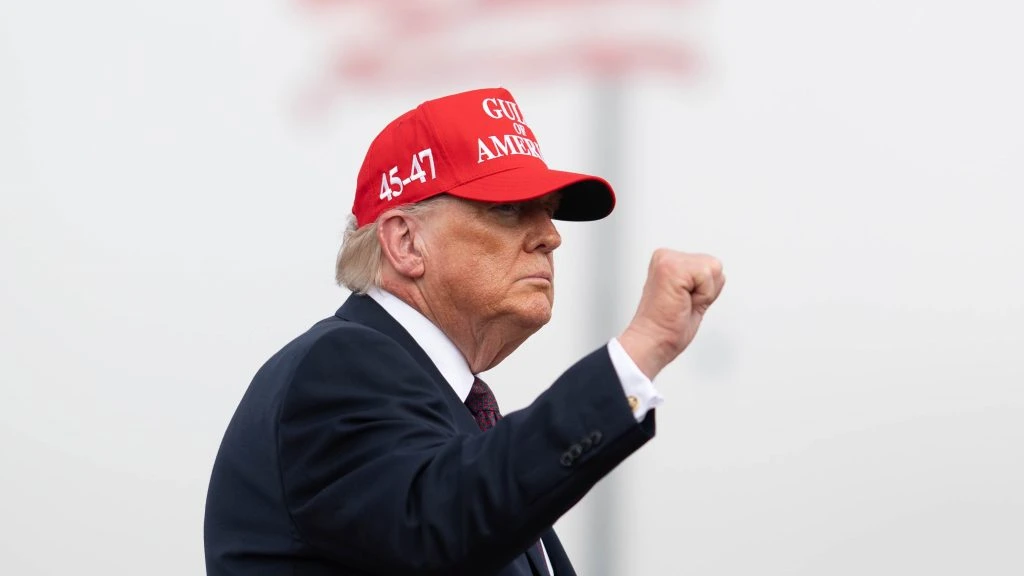
Encouraging signals from Pakistani mediators reportedly influenced a major White House decision.
President Trump announced a pause in “Project Freedom,” an operation created to guide stranded ships through the strait.
Administration officials said the pause reflected growing confidence in the diplomatic process.
The decision was also intended to reduce tensions while negotiations continue.
Rubio says military operations have ended

Secretary of State Marco Rubio told reporters that “Operation Epic Fury” had officially concluded.
According to administration officials, the administration’s full attention is now focused on diplomatic efforts.
The White House believes reopening the Strait of Hormuz quickly is essential for regional and global stability.
Officials say Trump’s highest priority is now finding a diplomatic exit from the conflict.
Diplomacy still faces serious risks
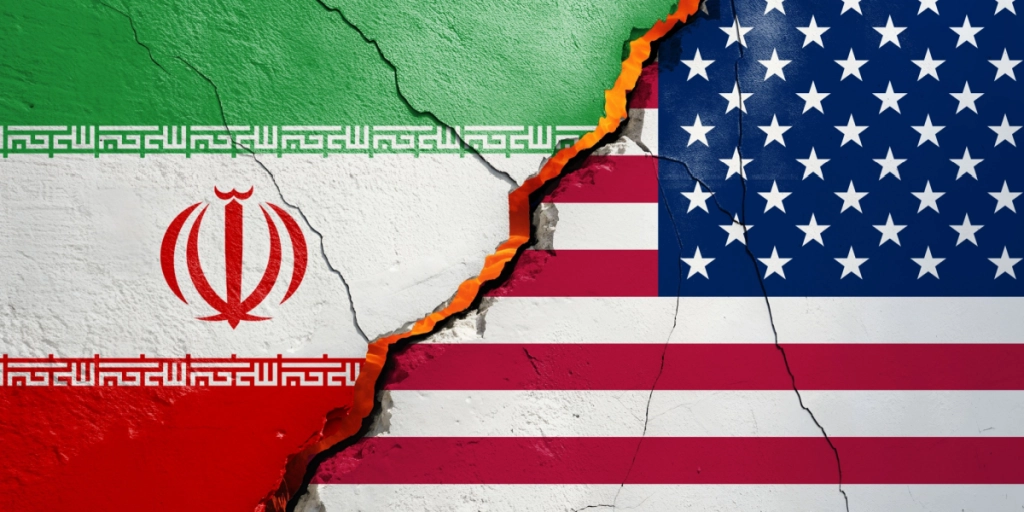
Despite growing optimism, officials stressed that negotiations remain fragile.
Previous rounds of talks between the United States and Iran have collapsed unexpectedly in the past.
Major disagreements still exist over nuclear restrictions, sanctions and long-term security guarantees.
The coming weeks may determine whether the latest diplomatic push can finally produce a lasting breakthrough.



