
 Kenneth Glad

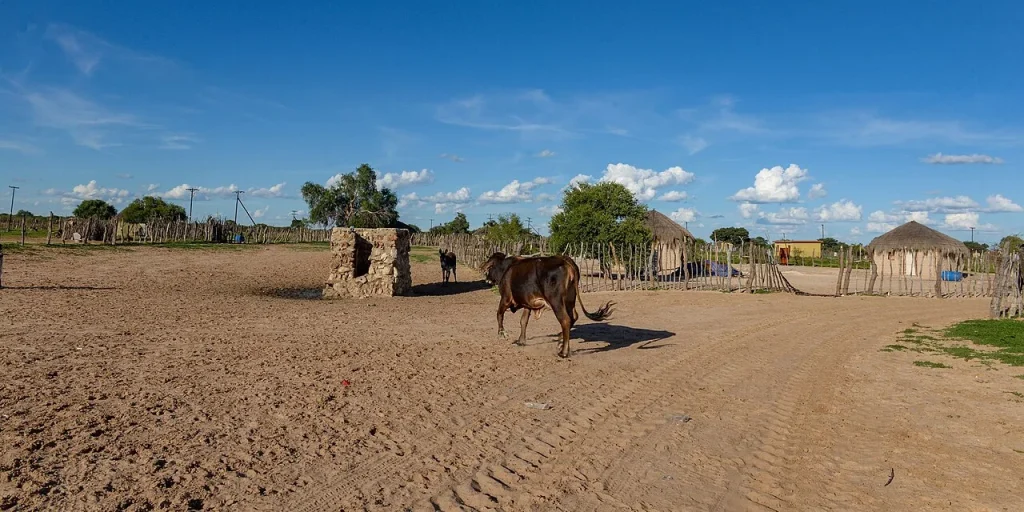
Nature often pushes back against the clean boxes humans build for it. Out in the wild, creatures routinely form surprising attachments, but a recent encounter high on an African plateau has left researchers scratching their heads.


High in the mountains of Ethiopia, field researchers tracking gelada monkeys noticed a bull and a male donkey doing something extraordinary. The bull, named Achille, and the donkey, dubbed Patroclo, were spending their days grooming, rubbing against one another, and repeatedly mating.
According to a study published in the journal Current Biology, the scientists documented 51 mating attempts across four days of close observation. Patroclo initiated many of the encounters by backing toward Achille, with 34 sessions involving penetration. Afterwards, both animals lingered close together, licking and showing mutual affection.
Crucially, females from both species roamed nearby, but the pair chose each other instead. That deliberate choice puzzled the research team.
A wider bond
Same-sex sexual activity is remarkably common across the animal kingdom. A 2023 study documented such acts in 261 mammal species, noting that social animals frequently use sexual touch to ease tension, build alliances, or negotiate social rank.


Dolphins, macaques, and bonobos regularly mount partners of the same sex. Cross-species intimacy is far rarer, though, and mutual affection between two males of entirely different species is almost unheard of in field literature.
Speaking to science outlet Forskning, zoologist Petter Bockman from the Natural History Museum in Oslo suggested a simple explanation. Animals possess distinct personalities, so the pair might just happen to have compatible temperaments.
Rethinking natural acts
For decades, biologists viewed non-reproductive sexual contact as an evolutionary mistake. They assumed heterosexual reproduction was the original default, while same-sex acts were mere deviations caused by confusion or missing females.
Yet a landmark 2019 scientific paper challenged that entire framework. Researchers argued that early sexually reproducing ancestors were likely indiscriminate, meaning the strict drive to choose opposite-sex partners evolved much later.
Achille and Patroclo cannot explain their motives to science. However, their quiet connection suggests that animal intimacy serves social needs far beyond basic breeding.



