
 Kenneth Glad
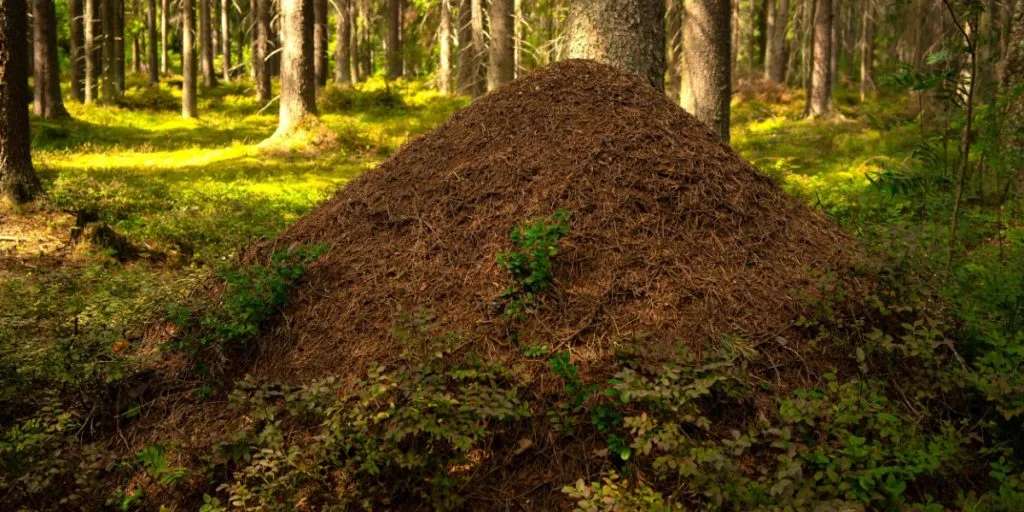
Researchers investigating an unusual insect nest made a discovery that revealed the remarkable scale of structures hidden beneath the ground. The experiment offered a rare glimpse into how complex underground systems can be built by some of nature’s smallest creatures.


A scientific experiment meant to study insect behaviour produced an astonishing result in Brazil. When researchers filled an abandoned ant hill with cement, the hardened cast revealed the hidden outline of an enormous subterranean structure.
Footage in the documentary Ants! Nature’s Secret Power, highlighted by LadBible, shows scientists pouring tonnes of cement into the nest to capture its internal design.
Cement casting experiment
The method used by researchers is known as nest casting, a technique entomologists sometimes employ to understand how underground insect colonies are structured. Liquid material is poured into a nest and left to harden before the surrounding soil is excavated.
In this case, scientists used roughly 10 tonnes of cement. After several days, teams began digging out the hardened mass.


What they uncovered looked less like a simple nest and more like a giant sculpture of tunnels and chambers frozen in place. As more soil was removed, the scale of the construction became clear.
The cast revealed a vast structure covering about 50 square metres and reaching nearly eight metres below the surface.
Life inside the colony
The abandoned nest had once belonged to leafcutter ants, insects from the Atta genus that are famous for their organised societies. A mature colony can contain hundreds of thousands or even millions of individuals working together.
These ants cut pieces of vegetation and carry them underground, not to eat directly but to cultivate fungus, which becomes the colony’s primary food source.
Scientists say the workers are capable of carrying objects up to 50 times their own body weight, a trait that helps explain how colonies construct such large underground systems.
Researchers involved in the documentary noted that the scale and organisation of the nest resembled major human engineering projects.
A network beneath the soil
As excavation continued, the cement cast exposed an intricate system of long corridors branching into numerous chambers. Some tunnels appeared to act as main transport routes, while others connected to rooms likely used for fungal gardens or waste storage.
Structures like this emerge from collective behaviour rather than central planning. Each ant performs simple tasks, but together the colony produces complex infrastructure.
The reason this particular nest had been abandoned remains uncertain. Entomologists say colonies sometimes relocate if flooding threatens the chambers, parasites invade, predators attack or environmental conditions change.
Whatever the cause, the cement cast provided scientists with a rare visual record of the scale and sophistication of an insect-built world hidden beneath the ground.
Sources: LadBible, Ants! Nature’s Secret Power documentary



