
 Asger Risom
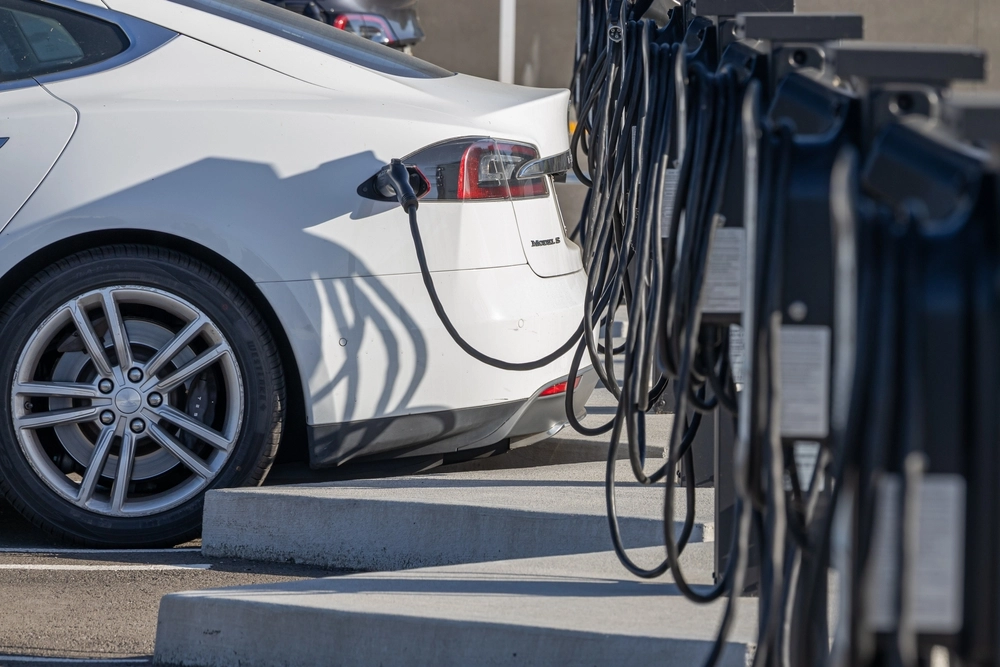
Electric vehicles are officially cheaper to operate than traditional gas cars across Europe, fundamentally destroying the last economic argument for the combustion engine.


European drivers are currently facing crushing prices at the pump, with gasoline consistently hovering around nine dollars a gallon. This brutal economic reality is pushing millions of consumers to rapidly abandon traditional combustion engines in favor of electric vehicles. According to new research covering the 2025 automotive market, the daily operating costs of an electric car are finally low enough to make the switch undeniably worth it.
A comprehensive study published by the International Council on Clean Transportation reveals that electric vehicles charged at home cost roughly 33 percent less to run than their gas-powered counterparts. This massive financial advantage holds true even when drivers rely entirely on commercial public chargers, which are notoriously more expensive than domestic rates. Relying exclusively on Europe’s public charging infrastructure still leaves electric vehicle owners paying 28 percent less to commute than drivers of comparable gasoline cars.
This aggressive cost disparity directly explains why the European auto market is experiencing a massive, one-way shift toward battery-powered transportation. Environmental researchers from the ICCT note that everyday drivers are simply looking for practical ways to survive an era where the cost of living feels punishingly high. With over a million public chargers now blanketing the European Union, range anxiety is rapidly giving way to undeniable financial common sense.
The collapse of the battery premium
Beyond the daily savings at the charging station, the actual purchase price of an electric vehicle is rapidly plunging toward true mass-market affordability. Over the last five years, adjusting for inflation, the sticker price of a standard battery-powered car in Europe has dropped by an impressive 18 percent. Meanwhile, traditional combustion vehicles have actually gotten slightly more expensive as manufacturers struggle to meet increasingly strict emissions regulations.


This massive pricing shift is entirely driven by a spectacular collapse in the cost of raw battery manufacturing across the global supply chain. The high-voltage battery pack remains the most expensive component in any electric vehicle, but global production costs have plummeted by roughly 35 percent since 2020. As a direct result, automakers can finally offer a massive variety of truly affordable models without sacrificing crucial driving range.
Consumers shopping in Europe’s largest automotive markets currently have an unprecedented selection of budget-friendly electric vehicles. According to a recent breakdown from InsideEVs, the German market alone boasts around 160 distinct battery-powered models, with nearly three dozen priced well under 30,000 euros. Across the medium and luxury segments, battery-powered cars have officially reached outright price parity with their traditional gasoline rivals.
A global shift in transportation economics
While the most dramatic savings are currently happening in Europe, the financial argument for abandoning gasoline is equally compelling in the United States. Even with domestic fuel prices sitting at roughly half the European average, American drivers are still saving thousands of dollars by plugging in their vehicles. The underlying math of electric propulsion is simply too efficient for an internal combustion engine to ever realistically match.
A long-term analysis from the Zero Emission Transportation Association in 2022 proves that the cost-per-mile advantage of electric driving is immune to regional market fluctuations. Their data indicates that charging a standard Tesla Model 3 at home costs approximately 55 percent less to operate than filling up a comparable Honda Civic. Those savings compound dramatically for drivers who log heavy annual mileage, effectively turning the gas pump into a massive financial liability.
The era of electric vehicles serving as overpriced status symbols for early adopters is officially coming to a rapid end. With hundreds of affordable models hitting European streets and battery costs continuing to crater, the combustion engine is rapidly losing its final economic stronghold. If policymakers maintain their current trajectory, the decision to buy a gas-powered car will soon become an incredibly expensive mistake.



