
 Mikkel Christensen
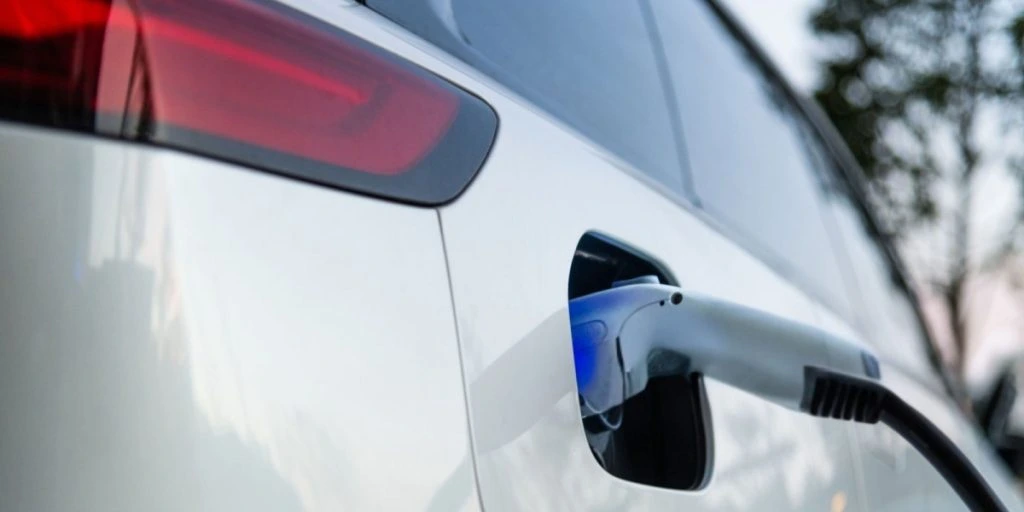
Fast charging is quickly becoming one of the biggest breakthroughs in electric cars.


Fast charging is quickly becoming one of the biggest breakthroughs in electric cars.
While home charging works for daily use, rapid top-ups are what make long journeys realistic.
Electrifying.com reports that some modern EVs can now add around 100 miles of range in as little as five to ten minutes under ideal conditions, a pace that would have seemed unrealistic just a few years ago.
Speed vs reality
Those headline figures don’t always reflect everyday use.


Charging speed depends on everything from temperature to charger availability, and even how prepared the battery is before plugging in.
Still, the gap between claimed performance and real-world results is shrinking as both cars and infrastructure improve.
High-end contenders
Early pioneers like the Porsche Taycan helped set the pace with 800V systems and charging speeds of up to 320kW.
Newer models, including the Mercedes-Benz CLA, can match that output while adding roughly 200 miles of range in around 10 minutes.
According to Electrifying.com, efficiency gains mean some cars now extract more distance from the same charge, not just charge faster.
Pushing the limits
More recent entries are edging closer to the 400kW mark, a level that significantly cuts waiting times.
Cars such as the BMW iX3 and Smart #5 fall into this category, offering ultra-rapid charging where infrastructure allows.
In practical terms, that can mean going from 10% to 80% battery in under 20 minutes.
Leading the pack
At the extreme end, the Xpeng G6 stands out with a claimed peak of 451kW.
Electrifying.com notes that current UK charging networks rarely support those speeds yet, but the capability signals where the industry is heading.
It’s less about what’s available today, and more about what cars are already prepared for.
What it means
For drivers, the shift is simple: less waiting, more flexibility.
Charging stops are becoming shorter and easier to plan, especially as networks expand.
If this pace continues, the difference between stopping for fuel and stopping to charge may soon feel almost negligible.
Sources: Electrifying.com



