
 Kenneth Glad

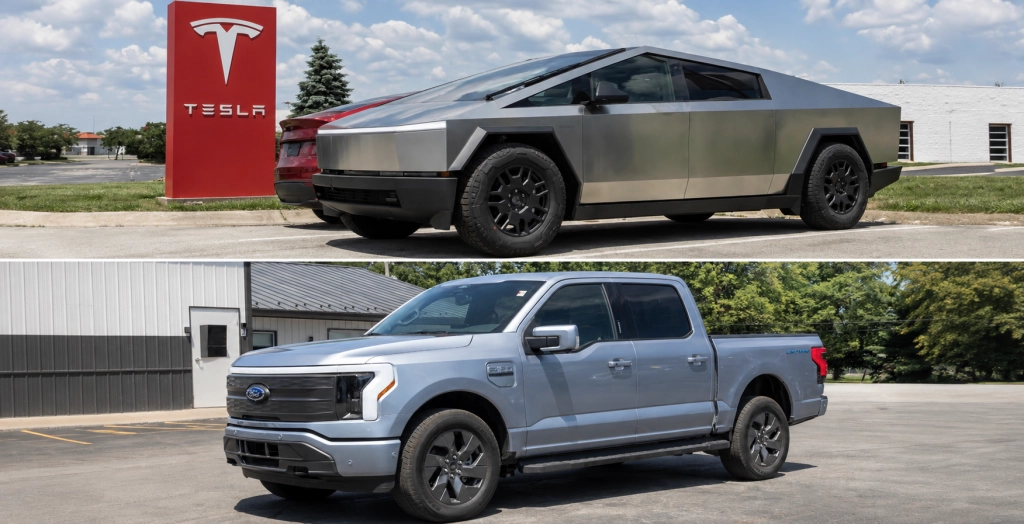
For years, drivers have flocked to massive vehicles that dominate the road and sit high above the traffic. But the tide is turning as companies realize they cannot afford to keep building these electric giants. A major shift is finally underway.
Next year, Tesla will silence its massive Cybertruck assembly lines at the Texas facility. The controversial vehicle suffered from poor sales. It also faced a string of recalls.
According to Wired, this abrupt stop highlights a massive shift across the entire auto industry. Car manufacturers are quietly stepping back.
Ford abandoned the electric F-150 Lightning late last year. In a separate move, executives scrapped a large three-row passenger model in 2024.
The weight of power
Instead of building fully electric giants, Ford will bring back the Lightning purely as an extended-range hybrid model.


Powering a heavy truck takes massive equipment. Roughly 25 percent of a Cybertruck’s total mass comes from just one component.
Its enormous battery pack tips the scales at 1,600 pounds. Ford executives relied on similarly heavy, expensive setups for their older electric trucks.
Building these giant parts drains the supply chain, which ultimately drives up the final cost for buyers at the dealership. A new battery-powered car currently costs an average of $55,800, according to data from Cox Automotive.
Shrinking the footprint
That steep price tag keeps everyday drivers away. To win back weary consumers, automakers are rapidly shrinking their new designs.
Ford expects to launch the Fathom next year as a compact truck priced under $30,000. Other brands are following the exact same playbook.
A startup called Slate is taking preorders for a tiny electric pickup that starts below $25,000.
Rivian recently released its smaller R2 model, which features a lighter battery than its older flagship SUV. The company also teased an even more compact R3 version on the horizon.
Market pressure builds
Politics and world events continue to push the market in new directions. Global conflicts in the Middle East, and the skyrocketing fuel costs accompanying them, are suddenly driving buyers back toward battery-powered cars, according to Wired.
Buyers vanished from showrooms late last year following a major policy shift. The sudden sales plunge happened right after the Trump administration pulled the plug on vital buyer subsidies.
Now, even Elon Musk sees the benefit of going smaller. He stated that ending Cybertruck production will free up space to build the new Cybercab.
Those upcoming autonomous vehicles will use a battery less than half the size of the one in the dying truck.



