
 Mikkel Christensen
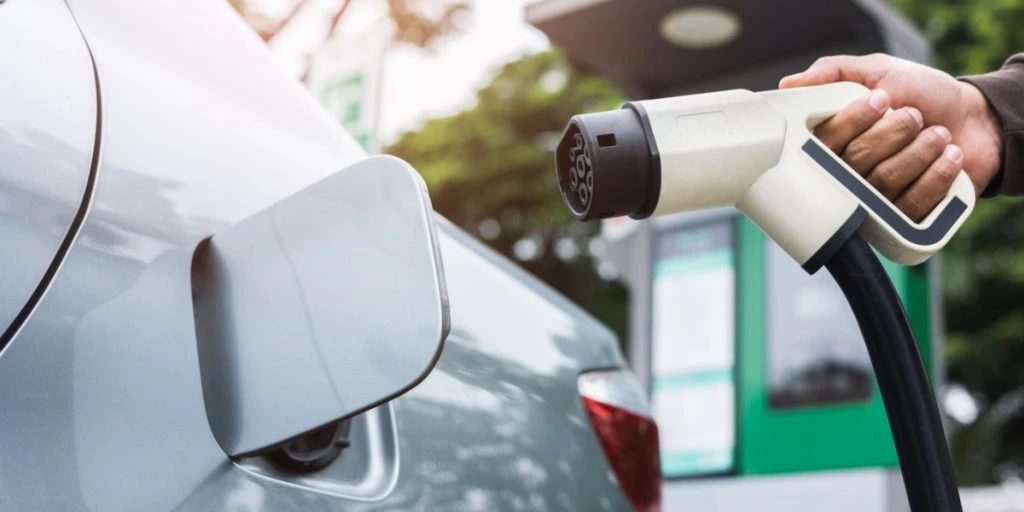
Efficiency is no longer just a side benefit of electric cars.
Others are reading now


Efficiency is no longer just a side benefit of electric cars. It is quickly becoming a defining measure of how advanced an EV really is.
New data shows a widening gap between models that simply offer range and those that use energy with remarkable precision.
Luxury sets pace
At the top end of the market, efficiency is no longer limited to smaller vehicles. According to EPA figures cited by Autoblog, the Lucid Air Pure reaches 146 MPGe, making it the most energy-efficient EV currently on sale in the United States.
What makes this notable is its size. Large luxury sedans have traditionally struggled with consumption, yet Lucid’s engineering suggests that weight is becoming less of a constraint.


The Lucid Air Touring follows a similar pattern. Despite its performance focus and dual-motor setup, it still delivers 134 MPGe, showing how efficiency gains are spreading across higher-powered models.
Mainstream benchmarks
More affordable EVs continue to define the efficiency baseline. Autoblog reports that the Tesla Model 3 Standard RWD achieves 139 MPGe, helped by a lighter battery and simpler drivetrain.
The Model Y, built on the same platform, comes in just behind at 138 MPGe. Its slightly higher ride height and larger body introduce added drag, offering a clear example of how design choices affect consumption.
The Model 3 Premium, meanwhile, trades a small drop in efficiency for added range and performance, landing at 137 MPGe.
Beyond the numbers
The EPA’s MPGe metric, developed with fueleconomy.gov, allows electric cars to be compared directly with gasoline vehicles. But global standards vary. Under Europe’s WLTP testing cycle, efficiency figures are often calculated differently, making direct comparisons less straightforward.
What’s clear across both systems is the trend: newer EVs are extracting more distance from smaller amounts of energy, hinting at future possibilities like reduced battery sizes and lower production costs.
Real-world impact
Cost remains where efficiency matters most. Based on March 2026 averages referenced by Autoblog, drivers charging at home can spend roughly $500 annually on electricity for highly efficient EVs.
That advantage depends heavily on charging habits. Public fast charging, which can cost more than twice as much per kWh, significantly reduces potential savings.
There are still broader benefits. Lower maintenance requirements and improved durability continue to make EVs attractive over time, particularly for urban and short-distance drivers.
The bigger picture is shifting. Efficiency is no longer just about saving money — it is becoming a marker of how effectively automakers are refining electric technology.
Sources: Autoblog



