Asger Risom

Selling a car? These four mistakes could cost you
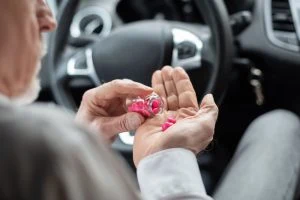

Selling a car privately can feel routine, but experts warn it has become a growing target for criminals. With fraud tactics evolving, a former police detective says recognising a handful of warning signs could prevent serious losses.
Rising threat
Rav Whilding, a former British Transport Police detective and regular presenter on BBC Morning Live, says people upgrading their cars are often caught out by scams they do not expect.
He warned that criminals frequently pose as genuine buyers, sometimes with no intention of paying at all. According to Whilding, small oversights during a sale can quickly spiral into theft or financial fraud.
Payment red flag
The first warning sign involves how a buyer pays. Whilding said sellers should be particularly cautious with bank transfers that appear to have been completed.


“If you are trying to sell a car and an individual comes to your home and says they want to pay for the car, going ahead with the deal, it’s how they pay that you have to be careful of,” he said.
“Don’t trust when scammers say, ‘here we go, I can show you the payment has been made’, on their phone.”
He warned that screenshots are easy to fake and urged sellers not to hand over keys or paperwork until funds are clearly visible in their own bank account. “Make sure you know it has gone through on your device and do not part with the vehicle or paperwork until that [money] has definitely gone into your account,” he said.
Avoiding viewings
Another red flag is when a buyer refuses to view the car in person or asks someone else to collect it instead.
“If they refuse to come and view it, or send someone else out instead to maybe collect the car on their behalf, that’s a bit of a red flag,” Whilding said.
He explained that in some cases vehicles have later been returned with alleged faults or damage that were not present at the time of sale, leaving sellers with little chance of proving otherwise.
Test drive risks
Whilding also warned against unsupervised test drives. He said sellers should never allow a buyer to take the car alone.
He referred to a recent case in Bournemouth where police became involved after a car was allegedly damaged during a test drive, with the owner later paying £500 to fix internal damage.
He advised sellers to ask for proof of a driving licence, insurance and evidence that the buyer can afford the car before any test drive takes place.
Key swapping
A final warning involves key-swapping scams. In these cases, a buyer returns a convincing decoy key after a test drive and later comes back to steal the car.
Whilding said private sellers are particularly vulnerable to this tactic and urged anyone who becomes a victim of theft to contact the police. Fraud and cybercrime should be reported to Action Fraud.
Click to display external content from twitter,
– You can always enable and disable third-party content.

You agree to display external third-party content. Personal data may be sent to the provider of the content and other third-party services.
Sources: BBC