
 Kenneth Glad
Tensions are escalating rapidly across parts of the Middle East as international leaders weigh their next moves. British officials are responding to a fast-changing security picture with urgent contingency planning and updated guidance for citizens abroad.


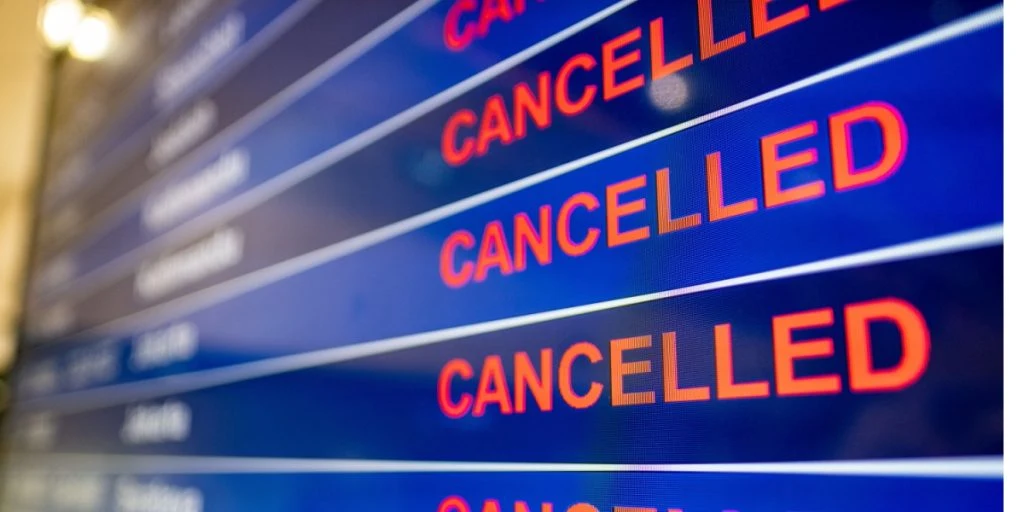
Regional air hubs fell silent overnight as missile exchanges widened across the Middle East, leaving thousands of travellers stranded. With airports shut and airspace restricted, the UK government says it is preparing for “potential scenarios” to assist British nationals if the conflict deepens.
A Downing Street spokesperson said officials “are looking at all options”, including commercial and charter aircraft, military flights and overland crossings via neighbouring countries, The Guardian reported. Foreign Secretary Yvette Cooper told broadcasters the government is “working on every possible option” and added: “Of course, we want people to get safely home as swiftly as possible.”
The Guardian writes that around 300,000 British nationals are in Gulf states, many based in the United Arab Emirates and Qatar, where large expatriate communities support finance, construction and energy sectors. More than 102,000 have registered their details with the Foreign Office.
Regional hubs disrupted
Major aviation centres including Doha, Tel Aviv and Kuwait City suspended operations after Iran launched missiles and drones in response to US and Israeli strikes. Dubai and Abu Dhabi briefly allowed limited departures, according to FlightRadar, but schedules remain heavily reduced.


British travellers described delays stretching beyond 24 hours in Doha as airlines scrambled to reroute aircraft. Several international carriers, including Lufthansa and Air France, announced temporary suspensions of some Middle East routes citing security concerns.
The escalation followed coordinated US and Israeli strikes across Iran. Iran’s Supreme Leader, Ayatollah Ali Khamenei, was killed in an airstrike in Tehran. The Iranian Red Crescent said at least 550 people have died nationwide.
European leaders have urged restraint. France’s foreign ministry called for “maximum de-escalation” while Germany warned of a broader regional destabilisation.
Travel warnings widened
The UK Foreign, Commonwealth and Development Office has, according to Sky News, expanded its guidance, advising against all travel or all but essential travel to 21 countries. British nationals in Bahrain, Israel, Kuwait, Qatar, the United Arab Emirates and the Occupied Palestinian Territories have been urged to register for updates.
When advice shifts to “all but essential travel”, insurance policies may be invalidated, meaning travellers could struggle to claim refunds or medical costs. Consular support can also be limited in active conflict areas.
The Gulf is strategically important to Britain. The UK maintains military facilities in Bahrain and has deep trade and defence ties across the region, alongside substantial expatriate populations.
Any organised evacuation would depend on access to functioning airports or secure land routes. In previous crises, including Afghanistan in 2021 and Sudan in 2023, the UK deployed military aircraft and coordinated crossings into neighbouring countries before arranging onward flights.
For now, officials are urging Britons to shelter in place where advised and monitor updates closely. With key transit routes closed and tensions rising, options could narrow quickly.
Sources: The Guardian, FlightRadar, Sky News



