
 Kenneth Glad
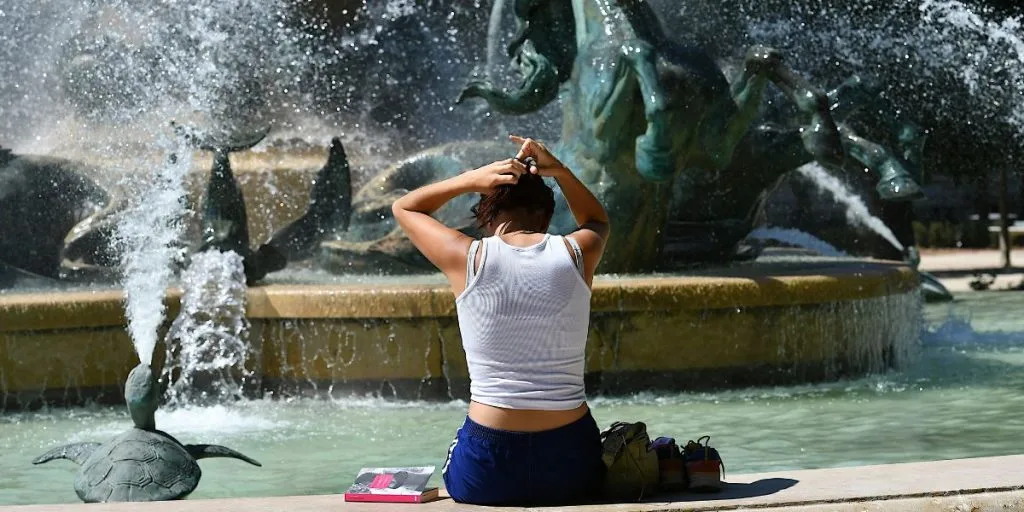
Urban environments are adjusting to shifting environmental conditions through updated public policies and municipal planning. Local authorities continue to evaluate new strategies to maintain safety and essential services during peak periods.


As summer temperatures soar around the globe, staying cool is no longer just a matter of personal comfort.
Cities everywhere are facing intense weather that strains health systems and public spaces.
Local leaders are looking beyond their borders to find survival tactics that actually work.
Desert lessons heading north
European capitals are taking notes from an unlikely teacher: A city built in the middle of the Arizona desert.


Phoenix has spent decades managing oppressive weather, forcing officials to treat high temperatures as an ongoing crisis rather than a temporary shock.
To tackle the issue, Phoenix created a dedicated heat response office. City rules require developers to cover three-quarters of busy pedestrian zones with shade, while crews have coated more than 300 kilometers of streets with cooling treatments.
Landlords must also keep indoor temperatures below 82 degrees Fahrenheit by law. According to The Guardian, these combined efforts helped Phoenix cut heat-related emergency calls by 20 percent in the summer of 2024.
European capitals adapt
Historic places like Paris and Milan are now rushing to adapt their ancient streets. The challenge is huge, as old stone buildings and asphalt trap warmth long into the night.
In response, Paris has mapped out more than 1,400 cooling spots so every resident lives within a seven-minute walk of relief.
City officials even ran a full simulation called “Paris at 50°C” to prepare emergency teams for extreme scenarios.
Milan is pushing forward with its own green targets. The city plans to cap local temperature rises at two degrees Celsius by 2050, relying on tree planting, shaded plazas, and dedicated support lines for vulnerable seniors.
A shared global fight
Urban centers absorb huge amounts of warmth, turning concrete neighbourhoods into ovens.
The impact hits outdoor workers, young children, and elderly residents the hardest, making local protection measures a critical public health priority.
Through global groups like C40 Cities, nearly 100 major metropolises are actively sharing strategies.
Leaders argue that national governments must step up with direct funding so local mayors can act fast.
Rising temperatures represent a political crisis that demands immediate action. With extreme weather becoming the new normal, sharing proven ideas is the fastest way to save lives.
Sources: The Guardian



