
 Lauge Risom Koch

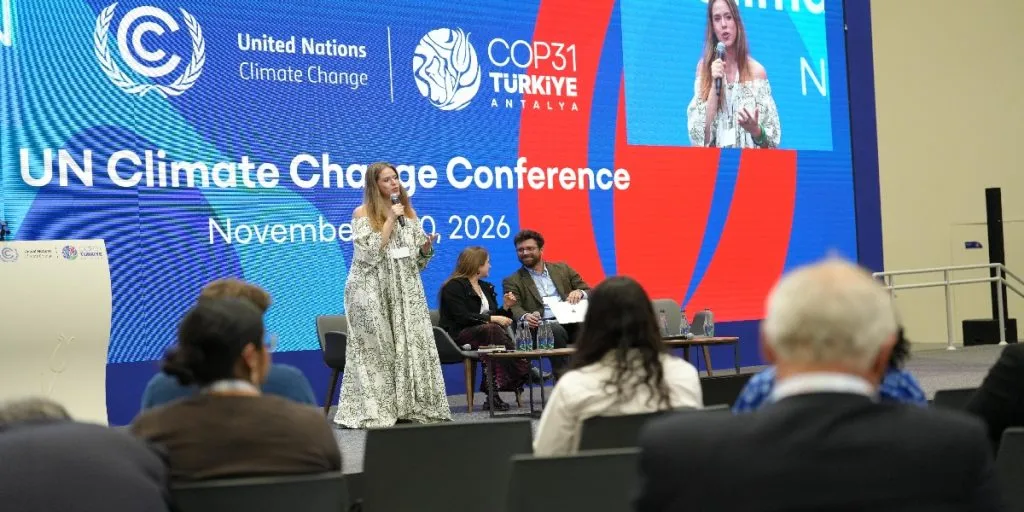
A draft final agreement at the COP31 UN climate summit in Turkey omits any mention of fossil fuels, sparking opposition from climate-vulnerable nations and experts as talks run into overtime.


The latest draft agreement at the United Nations climate summit in Antalya, Turkey, omits any mention of fossil fuels and avoids calling for a phaseout of coal, oil, and gas. According to the Associated Press, Turkish Environment Minister and COP31 co-president Murat Kurum released the 10-page text early Sunday, November 22, as negotiations stretched nearly 40 hours past their Friday deadline.
Kurum gave delegates roughly three hours to submit objections before presenting the text to a potentially decisive plenary session, where near-unanimous consensus is required for approval. Organizers also expressed concern that departing delegates could leave the conference without enough representatives in the room to pass the agreement.
Several countries raised objections to the proposal, including Panama, whose environment minister, Juan Carlos Navarro, accused a “petroleum mafia” of holding the talks hostage. Panama vowed to formally oppose any final deal that fails to cap oil production, acknowledge missed warming targets, and increase adaptation financing.
Backlash over carbon capture and electrification goals
While the draft references the 2023 Dubai agreement, which called for transitioning away from fossil fuels, the words “fossil,” “oil,” “coal,” and “phase out” do not appear in the document. Policy analysts warned that dropping explicit language on fossil fuels—the primary driver of global warming—would represent a setback from commitments made three years earlier.


Instead, the text endorses carbon capture and storage, setting a target to capture, reuse, and store 1 billion metric tons of carbon. Climate experts cautioned that promoting carbon capture technology, which is backed by the oil industry, could serve as an excuse to prolong fossil fuel investments rather than rapidly cutting emissions.
The proposal also includes Turkey’s goal of raising electricity’s share in global final energy consumption from roughly 21% today to 35% by 2035. However, activists and analysts noted that the draft fails to specify that this electricity must come from renewable sources such as wind and solar, warning that power generated from coal and gas would undermine emission reductions.
Adaptation finance disputes persist ahead of COP32
Beyond energy policy, climate-vulnerable nations pushed for concrete financial commitments to help developing countries adapt to intensifying weather disasters. Although previous summits referenced tripling adaptation funding, negotiators have yet to establish an explicit financial baseline in the text.
Advocates pointed to deadly heat waves in Europe and severe flooding in Nepal this year as evidence that vulnerable communities cannot afford further delays. Harjeet Singh, founding director of the Satat Sampada Climate Foundation, criticized wealthy nations for offering continued dialogue instead of direct financial support.
Delegates continued deliberating on Sunday in an effort to reach a consensus before the Antalya summit closes. Regardless of the outcome in Turkey, the next annual UN climate conference is scheduled to convene in Addis Ababa, Ethiopia, in November 2027.



