Kenneth Glad
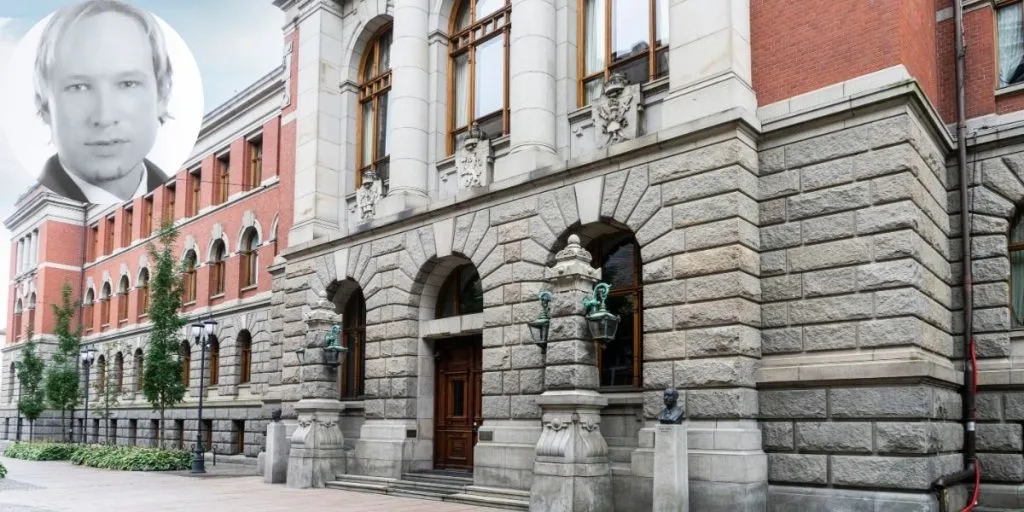
More than a decade after Norway’s deadliest modern attack, the legal framework designed to contain dangerous offenders is again being put to the test. A new court review will revisit whether the man behind the 2011 killings can ever be considered safe for release. The outcome could influence how long such sentences can continue in practice.


Anders Behring Breivik has formally applied for parole once again, triggering a new judicial review under Norway’s preventive detention system, which allows sentences to be extended if an offender is still considered dangerous, Aftenposten reports.
This form of preventive detention allows courts to extend imprisonment in renewable periods if an inmate is still deemed dangerous.
Although Breivik received a 21-year sentence in 2012, that term does not function as a fixed end date.
His lawyer, Øystein Storrvik, said: “We have submitted a request for parole on his behalf. He has a legal right to have the court assess the risk of reoffending.”


Earlier findings combined
When the case was last tested in 2024, judges concluded that Breivik should remain in custody. Court records, cited by the Norwegian newspaper, show they found the danger he poses still substantial.
Rehabilitation efforts were noted, but the court determined they had not advanced far enough to influence its assessment. Expert evaluations were decisive in that conclusion.
Specialists told the court that the likelihood of future violence remained real. At the same time, a psychiatric review found no signs of psychosis, instead pointing to serious personality disorders.
Psychologist Kåre Nonstad said: “He appears as a special case that differs from anything previously seen in practice.”
Judges also stressed that Breivik “can never be fully trusted,” reflecting concern about how his statements align with professional assessments.
Conduct and implications
His behavior during hearings has reinforced those concerns.
In court, he described himself as a “political soldier” and delivered prepared messages tied to his extremist ideology, including references to global conflicts and appeals aligned with his views.
Such actions have been considered alongside expert analysis when courts assess the risk he may still pose.
This latest request is likely among the final chances for parole before authorities decide whether to extend his detention again in the early 2030s.
If the court once more rejects his bid, the case will move closer to a broader legal question: Whether continued confinement remains justified under Norway’s system for managing long-term risk.
Source: Aftenposten