
 Kenneth Glad
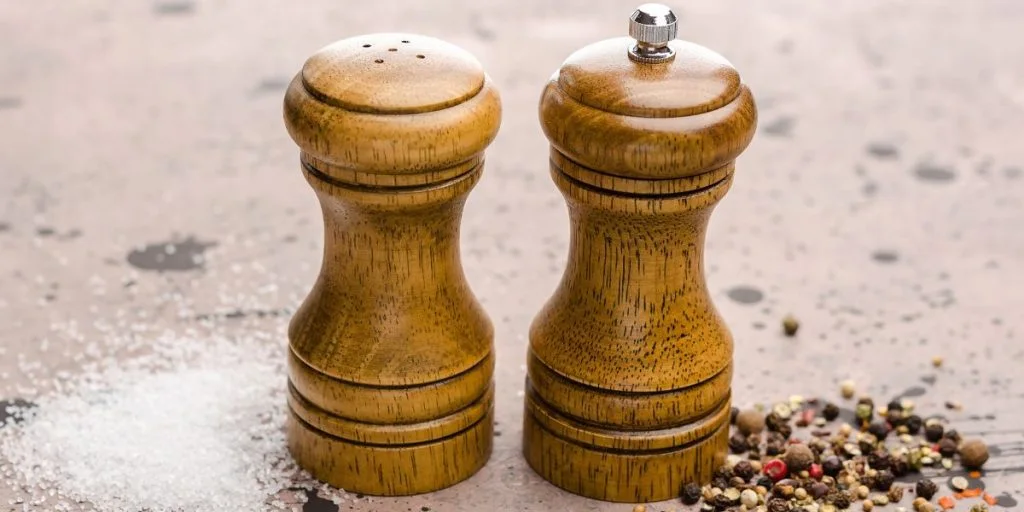
Every restaurant and dining room on the planet features the exact same pair of shakers. We barely notice them anymore. But this everyday duo hides a wild history of human biology, ancient currency, and bloody global conflict.


Our bodies actually crave one of these famous tabletop items to survive. While we treat it as a simple seasoning, it is essentially a mineral that keeps human biology ticking.
Ole G. Mouritsen from the University of Copenhagen explains that we consume it for purely physical reasons. “It is the only mineral we eat, and we do so because we physiologically need it,” he told science site Videnskab.
The white crystals regulate fluid balance and help nerves react normally. Wender Bredie, a sensory science professor at the same university, noted to the Danish science outlet that the mineral also makes food much more appetizing by boosting other flavors.
Long before refrigeration, coastal communities harvested these deposits to preserve meat. The demand grew so high during the Middle Ages that people used the crystals as a currency to pay rent.


Fighting for the burn
The dark half of the dining table duo tells a very different story. There is no physical need for humans to consume it at all.
“It pricks and burns on the tongue, and our first response is therefore to spit it out,” Mouritsen explained.
We learn to enjoy the mild heat from a chemical called piperine entirely through culture. That learned desire sparked a massive global scramble centuries ago.
The quest for the black spice triggered wars across the oceans. Nations like England, Portugal, and the Netherlands fought brutally over trade routes to India to secure access.
An accidental partnership
Mouritsen told the publication that people were willing to kill each other over the spice, comparing its historical value to modern oil. Today, the heat it provides remains a global favorite.
Despite their differences, the two ingredients formed a bond through basic food evolution. One is a vital survival mineral, and the other simply offers a tiny kick of heat.
“So it is quite funny that they are the most widespread spices in the world,” Mouritsen said to Videnskab.
Source: Videnskab



