
 Asger Risom

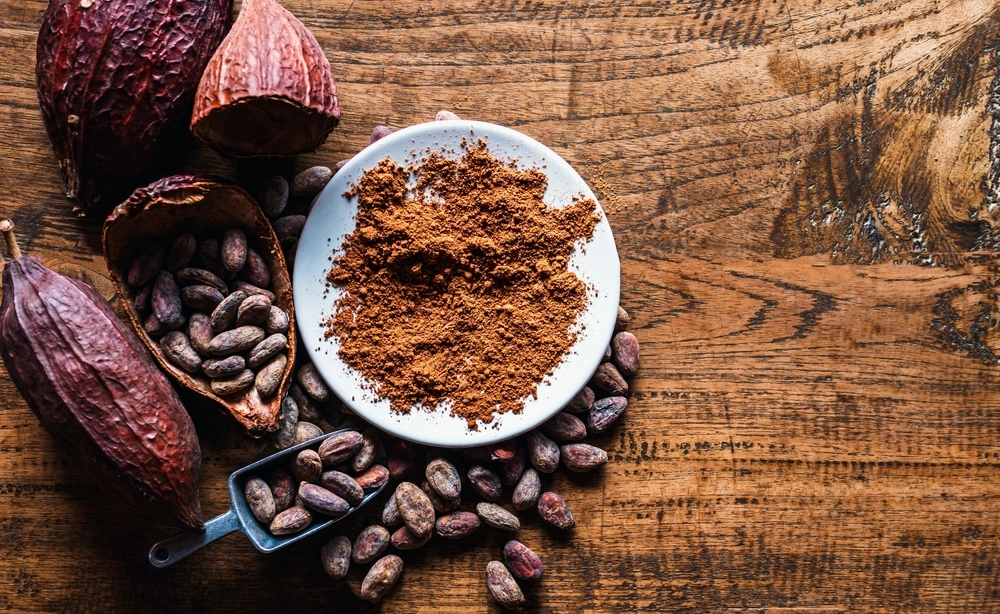
Protracted droughts and fungal outbreaks across West Africa have driven cocoa supplies into historic shortfalls, forcing candy manufacturers to reconsider how chocolate is made. By isolating specific plant lipids that mimic the precise melting point of cocoa butter and fermenting ordinary crops like sunflower seeds to reproduce roasted cocoa aromas, food scientists have developed bean-free alternatives that are already slipping into commercial bakery and confectionery supply chains.
Chocolate is one of those foods nobody analyzes until something goes wrong with it. You unwrap a bar and expect it to behave a certain way: solid at room temperature, liquid the moment you take a bite, and gone without leaving grease behind. That physical transition feels ordinary, but industrially, it is one of the hardest tricks in food science to pull off.
Right now, the agricultural backbone that makes that trick possible is under immense pressure.
When The Guardian examined the confectionery sector’s ingredient crisis in late 2025, commercial manufacturers were already facing a structural supply shortage. Around seventy percent of the world’s cocoa originates in Ghana and Côte d’Ivoire. A punishing cycle of heavy rainfall, black pod fungal rot, and severe droughts crippled output across the region, sending cocoa commodity prices to historic highs that refused to settle back to normal.
Candy companies could not simply raise shelf prices indefinitely or keep shrinking package sizes without losing customers. And while older alternatives like carob earned a reputation for tasting like sweetened cardboard, modern food labs took a different route: deciphering the lipid physics and roasting chemistry of cocoa so they could rebuild it out of everyday crops like sunflower seeds, oats, and legumes.


Engineering the melt
The biggest hurdle to faking chocolate is not flavor; it is fat.
Most edible oils soften across a wide, gradual temperature span. Butter gets greasy on a warm afternoon; olive oil stays fluid in a cupboard; lard takes significant heat to break down. Cocoa butter behaves differently. Its triglycerides form a dense crystalline network that keeps a chocolate bar firm on the shelf, yet collapses rapidly between 34 and 36 degrees Celsius—just under average mouth temperature.
Because that breakdown happens so fast, the fat absorbs heat from the palate, producing a slight cooling sensation as it liquefies. Swap cocoa butter for generic vegetable shortening or palm oil, and that sharp transition disappears. The confection feels pasty, melts sluggishly, and coats the tongue in grease.
To match the physical behavior of cocoa butter without using cacao trees, food chemists turn to lipid fractionation. By taking fats from crops like shea, sunflower, and coconut and separating them into distinct triglyceride components, they can isolate only the molecules with sharp, narrow melting thresholds. Blended together, the resulting fat matrix stays firm on the shelf and liquefies rapidly in the mouth.
Manufacturing the flavor without cacao
The second hurdle is the taste, which turns out to be less about the plant itself and more about how humans process it.
Fresh cacao seeds pulled straight from a pod taste nothing like a candy bar. They are pale, astringent, and aggressively bitter. The taste people associate with chocolate only develops after harvest, when farmers pile the seeds under banana leaves to ferment for several days. During fermentation, yeasts and bacteria break down complex proteins into free amino acids and simple sugars.
When those fermented beans are roasted, the heat triggers the Maillard reaction—the same chemical cascade that browns bread crusts and sears meat. That heat transforms the amino acids into hundreds of aromatic compounds, primarily alkylpyrazines, which provide the rich, nutty aroma of roasted cocoa.
Food scientists realized that if chocolate flavor is fundamentally a chemical reaction between specific amino acids and heat, the starting material does not have to be a tropical seed. Common agricultural staples like sunflower seeds, oats, and grape seeds contain comparable protein structures.
By inoculating these seeds with tailored fermentation cultures and subjecting them to controlled roasting, food labs trigger the exact same Maillard reactions. The output is a dark, aromatic concentrate that carries the flavor profile of fermented cocoa without a single bean involved.
From test kitchens to commercial factories
Once the roasted seed paste is combined with the engineered plant fats, sugar, and milk powder, it can run through the exact same industrial machinery used for traditional confectionery: heavy steel rollers for conching, followed by standard tempering cycles. Factory operators do not have to buy new equipment or redesign their processing lines.
The technology has already moved beyond startup trial runs. In 2024, global agricultural firm Cargill signed an exclusive international distribution agreement with food-tech firm Voyage Foods to supply cocoa-free coatings, chips, and fillings directly to commercial bakeries and packaged-food brands.
Niche chocolatiers will continue sourcing premium beans from South America and Africa for single-origin tasting bars. But for mass-market biscuits, chocolate-dipped ice creams, and industrial baked goods, bean-free substitutes offer price stability, lower water requirements, and insulation against erratic weather. For consumers, the shift is arriving quietly on supermarket shelves: the same familiar melt, built entirely out of seeds.



