
 Asger Risom
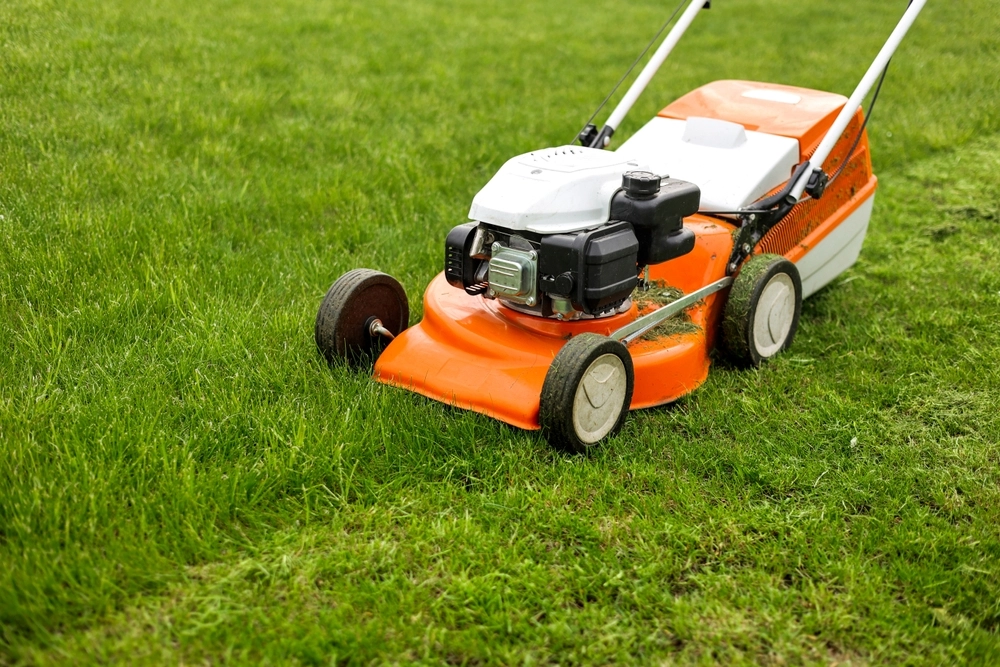
The perfectly manicured suburban lawn is dying out across the globe. Driven by extreme weather and a desire to stop mowing, a growing movement of homeowners from the UK to Australia is tearing out their turf grass and embracing “black box gardening”—a landscaping trend that replaces high-maintenance lawns with feral, self-sustaining ecosystems of native plants and wild perennials.

For decades, the global suburban ideal came with a very specific, emerald-green mandate: a perfectly manicured, weed-free turf lawn. From the United States and Canada to the UK and Australia, homeowners spent their weekends mowing, edging, and dumping millions of gallons of water and synthetic fertilizer onto their properties just to keep the grass alive.
But that aesthetic is officially dying out on a global scale. Driven by extreme weather, rising water bills, and a general exhaustion with yard work, a growing movement of homeowners is opting to just let their properties go feral.
According to the latest international trend reports from landscaping analysts at Spoga+Gafa, the biggest shift in outdoor design right now is abandoning the uniform green carpet in favor of “black box gardening” and intentional rewilding. Instead of fighting nature to maintain a sterile patch of grass, people are actively inviting the chaos back into their yards.
The problem with perfect grass
To understand why this shift is happening across continents, you have to look at the environmental mechanics of a standard suburban lawn. Turf grass is essentially a biological desert. It offers zero food or shelter for local pollinators, it has shallow root systems that do nothing to prevent soil erosion, and it requires a staggering amount of resources to maintain.


The backlash actually gained mainstream global traction in the UK, where the conservation charity Plantlife launched the “No Mow May” campaign. The concept was simple: stop mowing for a month to let native clovers and wildflowers bloom for struggling bee populations. That regional campaign quickly mutated into a massive global movement. As highlighted by National Geographic, the conversation has shifted from a one-month pause to a permanent lifestyle change. Homeowners are systematically tearing out their grass and planting native pollinator corridors, drought-tolerant perennials, and deep-rooted shrubs.
The black box approach
The most fascinating version of this trend is “black box gardening.” The concept is simple: you create a planting bed, fill it with a chaotic mix of wild perennials, self-seeding plants, and native grasses, and then you step back. You let the plants fight it out, cross-pollinate, and self-seed wherever they naturally want to grow.
Over a few seasons, the garden naturally adapts to its microclimate. The plants that thrive in that specific spot will multiply, and the ones that struggle will die off. It creates a lush, highly textured landscape that requires almost zero human intervention.
The landscaping industry is already adapting to this massive cultural shift. According to UK-based Green Union, the era of impeccable lawns and drastically trimmed shrubs is being actively replaced by climate-resilient ground covers like white clover and perennial meadow seed mixes. The new global status symbol isn’t a flawless green rectangle; it’s a vibrant, feral ecosystem that practically takes care of itself.



