
 Kenneth Glad
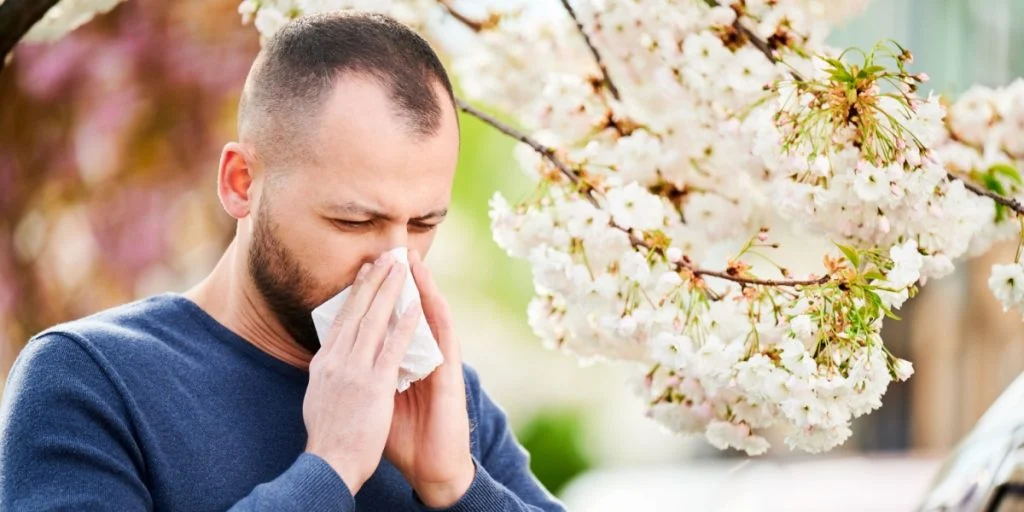
Seasonal allergies are creeping beyond their usual calendar slots across Europe. For many, symptoms now arrive earlier and fade later, disrupting routines at work, school and home. Doctors say the change is gradual, but increasingly hard to miss.


Data from the Lancet Countdown report shows climate shifts are increasing the burden of allergic disease across the continent, writes The Guardian.
Longer exposure to pollen is extending periods of discomfort and, for some, worsening respiratory conditions.
Pharmacies and clinics are seeing the effects. Demand for antihistamines is rising, and more patients are seeking help during what used to be shoulder periods of the allergy season.
Warmer air and higher carbon dioxide levels are driving the change, allowing plants to release more pollen over extended periods.


A longer season. More days of symptoms.
Earlier and stronger
The Lancet Countdown report found that pollen seasons for birch, alder and olive trees now begin one to two weeks earlier than in the 1990s.
Pollen intensity has also increased. In parts of southern England, northern France, Germany and eastern Europe, levels for birch and alder have risen by 15–20%.
For allergy sufferers, it is not just the strength of pollen that matters, but the duration. Weeks of added exposure can turn a mild condition into a persistent problem.
Meanwhile, invasive species such as ragweed are spreading into new areas, raising the risk of allergies in regions that previously saw little impact, says the British newspaper.
Climate and consequences
This pattern reflects a broader shift. The same Lancet analysis links climate change to rising health risks across Europe.
Heat-related deaths have increased by an average of 52 per million people. Periods of extreme heat are now far more frequent. Conditions for diseases like dengue are becoming more favourable.
Cities, in particular, face compounding pressures as heat, pollution and pollen intersect.
Experts highlight specific responses: Redesigning urban spaces with more vegetation, improving heat-health warnings, and cutting fossil fuel use to limit further warming.
Cathryn Tonne of the Barcelona Institute for Global Health said:
“Redirecting investments from fossil fuels into clean energy, improving air quality, safeguarding vulnerable groups and preparing health systems for rising climate shocks will deliver immediate and long-term health benefits.”
There are signs of progress. Deaths linked to air pollution from transport and energy have fallen significantly in recent decades, showing that policy changes can make a measurable difference.
Sources: The Guardian, Lancet Countdown


