Camilla Jessen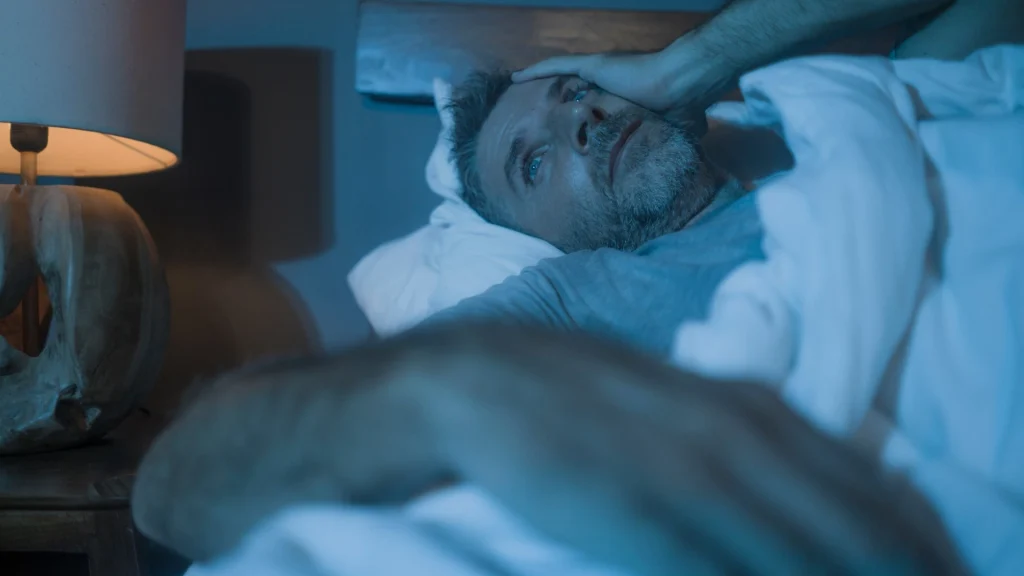
The health condition linked to hearing your pulse.


For many people, bedtime is meant to be quiet and calming. But some notice an unsettling sound when they lie down, a steady thumping that seems to echo through the pillow.
While it can be harmless, doctors say it is not always something to ignore.
A common explanation
Occasionally hearing a heartbeat when your ear is pressed against a pillow is often nothing serious. Dr Anthony Youn has explained that it can simply be the carotid artery, which supplies blood to the brain, face and neck.
If it only happens now and then, Youn has said this is usually normal. The artery runs close to the ear, making the pulse easier to detect in certain positions.


Problems may arise, however, if the sound is constant or becoming more noticeable.
A different condition
Doctors warn that persistent heartbeat sounds could point to pulsatile tinnitus. Unlike regular tinnitus, which often sounds like ringing or buzzing, pulsatile tinnitus follows the rhythm of the heart.
According to tinnitus.org, it is typically described as a rhythmic noise in the ears or head. One way to identify it is by checking whether the sound matches your pulse.
If it does, doctors say the condition is often easier to investigate because it is linked to blood flow.
Possible causes
Pulsatile tinnitus usually occurs due to changes in blood flow in vessels near the ear. These changes can be triggered by strenuous exercise, an overactive thyroid, or irregular blood flow caused by hardened arteries.
In rarer cases, it may be linked to a stapedial artery that remains open after birth. It can also be a sign of tumours in the head or neck that create abnormal blood vessels.
The condition can affect anyone but is most commonly reported in young and middle-aged women.
Tests and treatment
Doctors often use CT or MRI scans to identify what is happening inside the head. Blood tests may also be used if anaemia or thyroid problems are suspected.
Some causes can be treated, while others cannot. Therapies such as sound therapy, Cognitive Behavioural Therapy, counselling, mindfulness meditation and Tinnitus Retraining Therapy are sometimes used to manage symptoms.
Experts say the sound itself is less important than understanding why it is happening in the first place.
Sources: tinnitus.org, Dr Anthony Youn