
 Kenneth Glad
History museums usually display a quiet, noble version of the ancient world. But sometimes, researchers dig into a dusty vault and find something that shatters that polite illusion. A discovery from a famous archive reveals exactly what happens when history gets dirty.


A French scholar named Jean-François Champollion visited an Italian museum in 1824. He had cracked the code of ancient hieroglyphs just two years earlier.
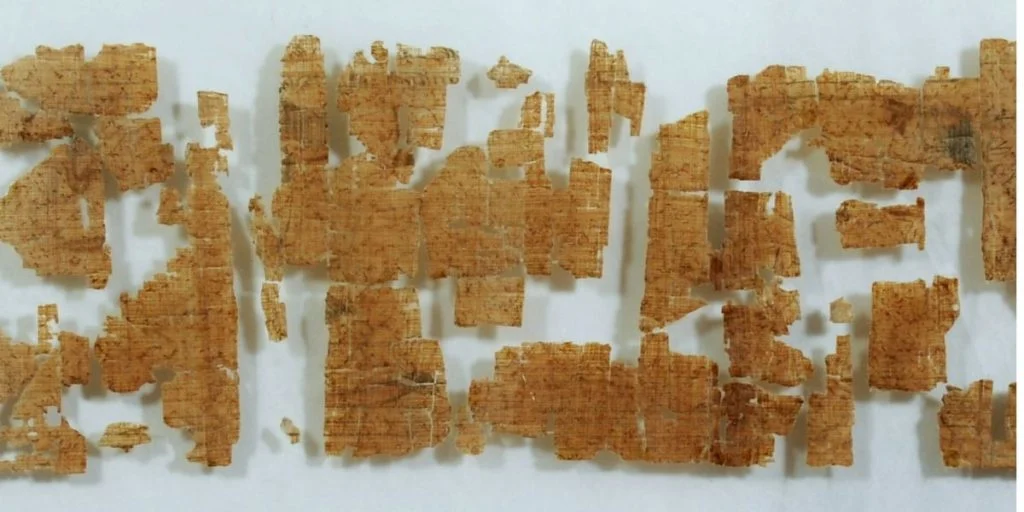
Walking into the Turin Egyptian Museum, he expected to find texts about noble gods and powerful kings. Instead, according to HistorieNet, he unrolled a 3,000-year-old document known today as Papyrus 55001.
The first section featured funny drawings of animals. The rest of the nearly three-meter scroll was packed with graphic, highly detailed sex scenes.
Champollion was horrified. In a letter reported, he wrote, “The images represented monstrous obscenities that gave me a very peculiar impression of Egyptian wisdom.”


Locked in the dark
The museum quietly locked the scandalous document away in its deep archives. For the next century, only a select few researchers with special permission were allowed to see it. Curators panicked.
The surviving fragments left little to the imagination. The drawings showed balding, unkempt men with giant anatomy paired with beautiful young women. They engaged in wild acrobatic poses, including one vivid scene on a chariot pulled by two other half-naked women.
Historians at the time wanted to believe that the ancient people of the Nile were pure and modest. They idolised the Egyptians as a noble and highly religious civilisation. This explicit ancient scroll ruined that polite fantasy completely.
Life by the river
Modern science tells a different story about this ancient culture. HistorieNet notes that unmarried people could enjoy a very active dating life without breaking any laws. Virginity held little importance.
Working-class citizens were free to explore their desires. Wealthy people, however, had to protect their public reputations. Once a couple married, the rules shifted quickly to protect the family line.
Men benefited from a clear double standard. A husband could sleep with unmarried servants, and society simply looked the other way. But secret affairs with married women brought brutal punishments.
Despite these harsh rules, many married couples stayed deeply devoted. A surviving letter from a grieving husband proves this point clearly.
The widower wrote, “In the three years that have passed since you died, I have not visited other houses, I have not married again, and I have not visited prostitutes.”
Elite citizens usually preferred subtle erotic poetry to blunt drawings. One ancient poem features a woman telling her lover, “I go down to the water with you and come up again with a red fish pulsing in my fingers.”
Mocking the powerful
Experts do not think the scroll was simple ancient pornography. High-quality papyrus was incredibly expensive back then, meaning only a very wealthy individual could afford to commission such elaborate drawings.
Swiss Egyptologist Joseph Omlin (1906-1976) studied the document deeply. He noticed that the men in the drawings were circumcised, which was a strict tradition for local priests. Furthermore, one of the women had her leg raised above her head in a pose typical of priestesses dancing for the goddess Hathor.
Some historians suspect military leaders bought the scroll as a brutal piece of political satire. Following the death of Pharaoh Ramses 3 around 1165 BC, Egypt suffered severe internal instability while religious authorities seized vast power. Consequently, army commanders may have circulated this explicit artwork behind closed doors to mock the corrupt, hypocritical religious leaders who ruled their society.
Source: HistorieNet



