
 Kenneth Glad
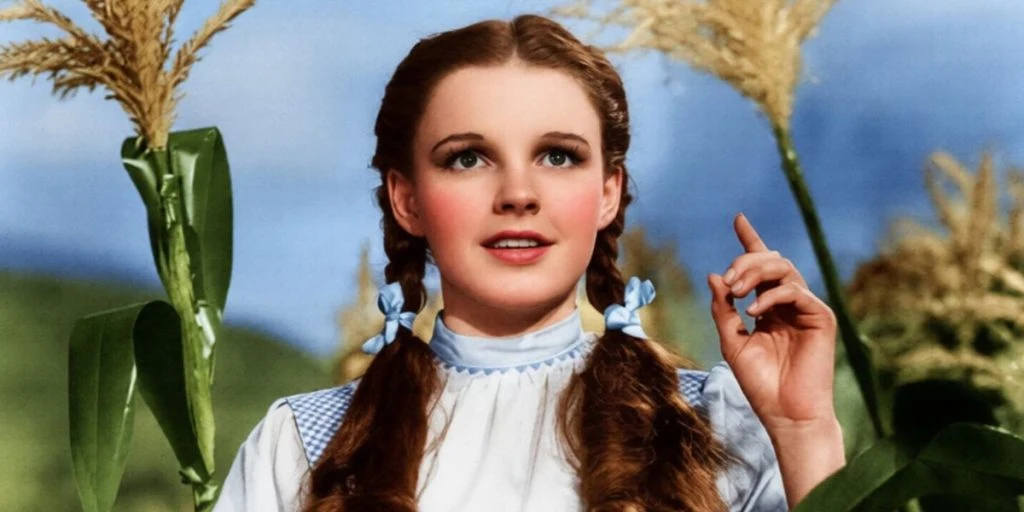
We all know the smiling faces that light up the silver screen. Behind the curtain, childhood stardom often hides a dark truth. For one iconic performer, reaching the top of the entertainment industry required a devastating personal toll.


Before she became a household name, Frances Ethel Gumm was a toddler on the vaudeville stage. Born into a theatrical family in Michigan, she made her singing debut at just two years old, performing as part of “The Gumm Sisters.”
Vaudeville was booming across America, and her ambitious mother managed the family act with an iron fist. To guarantee success in a relentless industry, she fed the young girl over-the-counter amphetamines for energy and heavy sleeping pills for rest.
“It is up to me to keep the girls going,” her mother explained, according to HistorieNet.
By the time she signed with the powerful studio MGM at age 13, Judy Garland was already trapped in a dangerous cycle.


An impossible standard
Her breakthrough role came at 16 in the massive project The Wizard of Oz. The fantasy film was the most expensive gamble in the history of the studio. With a huge budget on the line, executives treated their teenage star like a machine.
They needed the developing teenager to look like a young child. Garland survived the grueling five-month shoot on a starvation diet of chicken soup and 80 cigarettes a day. Bosses bound her chest in a tight corset to hide her figure, and they supplied a constant stream of drugs to force her through brutal 16-hour workdays.
“MGM gave us pep pills,” Garland later recalled, as noted by HistorieNet. “Then they took us to the studio hospital and knocked us out with sleeping pills.”
Behind closed doors
The powerful studio controlled every aspect of her personal life. When Garland became pregnant by her first husband in 1942, she wanted to keep the baby. Executives flatly refused to grant her maternity leave. Instead, studio bosses and her own mother arranged a forced abortion to keep their star working.
“My mother was the real Wicked Witch of the West,” Garland said, according to HistorieNet.
The endless pressure eventually became too much. Her addiction escalated dramatically. She regularly missed filming days, struggled with intense mental health crises, and faced a highly publicized firing from MGM in 1952.
Finding her voice
Despite the trauma, Garland managed a stunning second act. She reinvented herself as a live singer, tackling grueling schedules that included 184 concerts in just 133 days in New York.
This massive stage success helped her secure a legendary comeback role with Warner Bros. in A Star Is Born. The performance was a triumph and earned her an Oscar nomination.
Her 1961 Carnegie Hall concert became a defining moment for her legacy. The live recording won a historic Grammy and is still remembered as one of the greatest nights in show business history.
Sadly, her lifelong battle with addiction never truly faded. Her fifth husband found her lifeless in their London apartment in 1969, following a fatal overdose of sleeping pills.
Just months earlier, a British reporter had asked if she regretted her agonizing path. Garland simply laughed off the question.
“Of course I would do it all over again,” she said, as reported by HistorieNet. “With all the same mistakes.”
Source: HistorieNet



