
 Kenneth Glad
Personal accounts from an earlier racing age show how competitors dealt with mechanical failure, heat and physical danger. A recent anniversary has renewed attention on the people who experienced it firsthand.
Brooklands in Surrey, England, opened in 1907 as the world’s first purpose-built motor-racing circuit, quickly becoming a gathering place for professional drivers, engineers, manufacturers and wealthy amateurs fascinated by speed.
Its steep banking and dedicated racing surface gave competitors opportunities that public roads could not safely or legally provide.
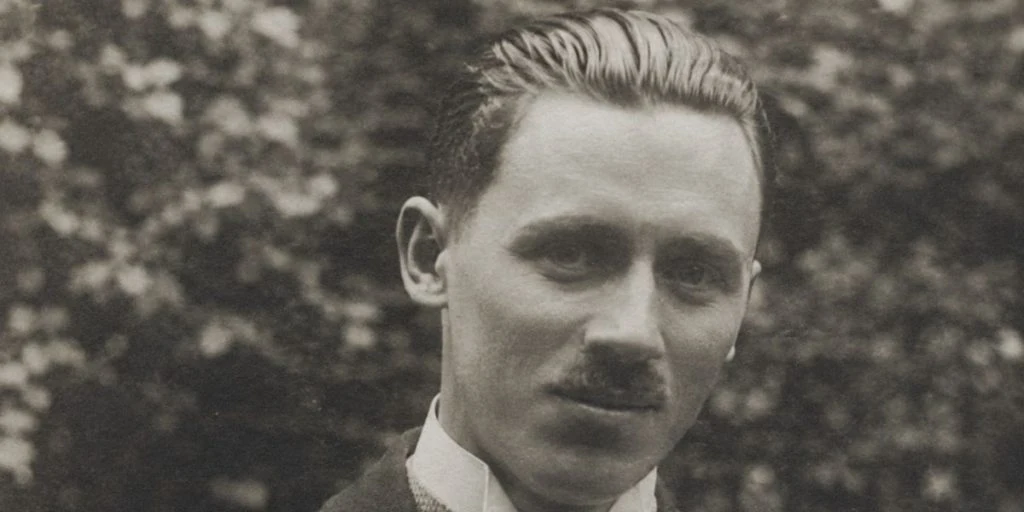
Among its regular competitors was doctor Stuart Innes-Smith. According to The Telegraph, he raced a Riley and was particularly fond of handicap events, where staggered starts allowed slower cars to challenge more powerful machinery on relatively equal terms.
His enthusiasm extended far beyond occasional competition. His older brother was once quoted as saying that “he lived in his car and popped into the house occasionally”.


Danger came personally
The Telegraph reports that Innes-Smith competed in a leather cap and glass goggles and sometimes favored Harris Tweed rather than the cotton boiler suits used by other drivers.
The 1926 British Grand Prix produced other remarkable stories. Brooklands Museum records that Louis Wagner suffered badly from exhaust heat while sharing the winning Delage with Robert Senechal. During the closing stages, Wagner repeatedly stopped to cool his feet in cold water.
Andre Dubonnet faced different difficulties. According to Brooklands Museum, he had never driven at Brooklands before taking over another Delage during the race. He competed in an ordinary blue lounge suit and reached the finish with flames emerging from the engine.
Mechanical trouble shaped much of the contest. Cars made repeated stops for tires, engine problems and overheating during the 110 laps. Thirteen machines had originally been entered, but only nine started and three completed the Grand Prix.
Stories remain at Brooklands
Those experiences returned to attention during Brooklands’ Grand Prix centenary celebrations on August 7 and 8, 2026. More than 120 Grand Prix and Formula One cars from over 50 marques were assembled at the Surrey circuit, bringing together machinery from very different periods of the sport.
The gathering provided a vivid link with the circuit’s past, but the people who raced there remain just as important to its history as the cars themselves. Their experiences show what early competition could involve when mechanical failures were common and personal protection was limited.
Writing in The Telegraph, Stuart’s grandson James Innes-Smith also wondered what his grandfather would have made of Formula One today. He suggested that the sport’s dependence on big business and corporate sponsorship would probably have sat uneasily with a man drawn to the less polished and more unpredictable racing culture of Brooklands.
The stories behind the cars are just as revealing as the machinery itself. Doctor and amateur racer Stuart Innes-Smith spent his weekends competing at Brooklands, while Grand Prix drivers Louis Wagner and Andre Dubonnet faced very different problems during the 1926 race, from punishing heat to an unfamiliar circuit and a car finishing in flames. Their experiences give a clearer sense of what racing at Brooklands was actually like a century ago.
Sources: The Telegraph



