
 Kenneth Glad

History turns on the smallest details. For decades, a persistent myth suggested that one side in a global conflict was just weeks away from unlocking the ultimate weapon. Now, modern science has finally closed the case on exactly what happened.

During the 1940s, scientists across the world scrambled to harness nuclear energy. American researchers reached the finish line first. By deploying atomic weapons in 1945, they cemented victory for the Allied forces.
But the opposing side possessed its own secret program. Following the war, leading physicist Werner Heisenberg painted a picture of near success. He stated they only lacked “a relatively small amount of uranium” to make their reactor work.
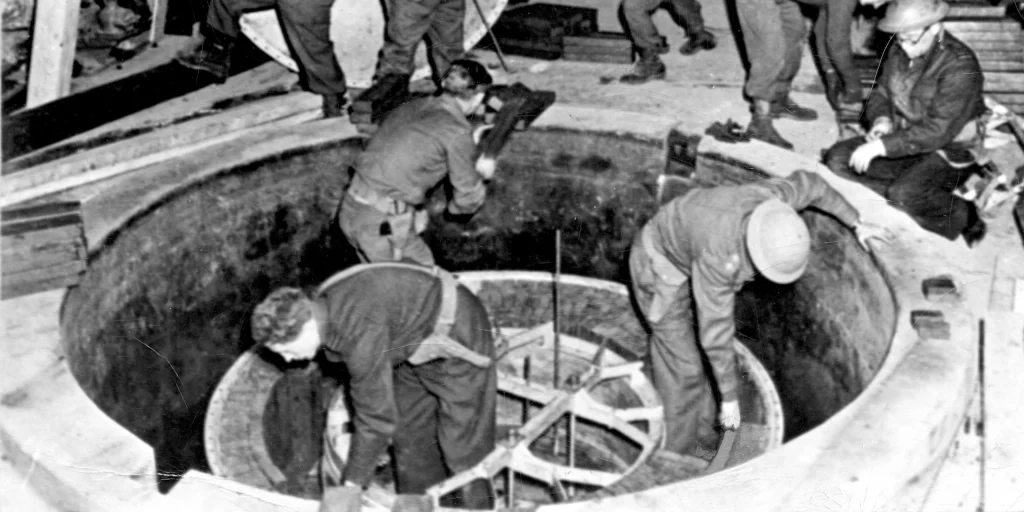
A new scientific analysis shatters that claim, writes Forskning. Searching for the truth, American researchers used advanced computer models to recreate the infamous B8 reactor. They needed to see if the machine could actually function.
Falling extremely short
The virtual tests exposed a massive gap between ambition and reality. Behind the scenes, the project severely lacked basic supplies.


According to the scientists, “the Germans would have needed about twice as much uranium and 2.2 times as much heavy water as they actually used, which far exceeds Heisenberg’s estimates”.
Heavy water acts as a brake on nuclear reactions. To gather this rare resource, the regime targeted the Vemork plant in occupied Norway. But brave resistance fighters constantly disrupted the supply chain with sabotage missions.
No backup plan
The experts also checked if common graphite could have saved the failing project. Across the ocean, the Manhattan Project relied heavily on the mineral to build successful reactors.
The findings show this was a dead end. The research team stated, “We conclude that Germany would not have been able to build reactors based on heavy water or graphite during World War II”.
Historian Mark Walker agrees with the computer models. He told Videnskab that the materials available in occupied territories were simply not pure enough. The plan was doomed.
Changing the world
Yet this failed project still shaped modern history. The mere rumor of an enemy bomb deeply terrified Allied leaders. Early intelligence about German scientists splitting the atom reached Washington. That panic triggered an overwhelming response.
Walker believes this specific fear directly caused the massive American investment in nuclear research. The resulting Manhattan Project poured billions of dollars into a secret race involving over a hundred thousand workers.
Without that initial threat, a different timeline might have prevented the entire Cold War arms race. As Walker noted, “The world would have been a completely different place”.



