
 Kenneth Glad
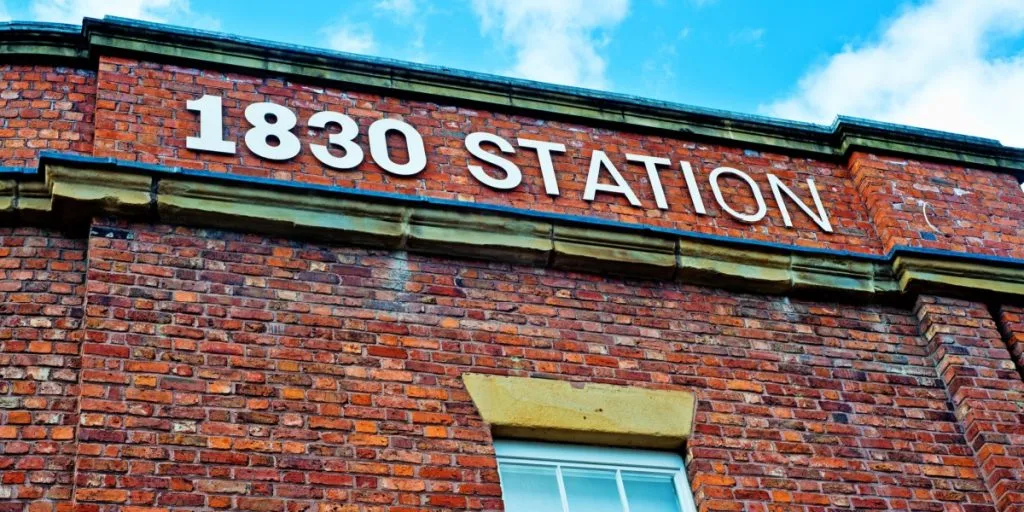
According to Guinness World Records, the world’s oldest surviving railway station building no longer serves passengers. Instead, it welcomes museum visitors.


Liverpool Road Station in Manchester now forms part of the Science and Industry Museum, its platforms silent but its structure largely intact. That survival is rare. Most early European stations were either demolished or rebuilt as rail travel surged.
Age alone is not what makes Liverpool Road remarkable. Its continued existence matters because it preserves a near-original example of how railways first entered urban life.
The National Transport Trust note that many early stations across Britain and mainland Europe were provisional. They were never expected to last. Liverpool Road however did.
An early experiment
When the station opened in 1830, rail travel itself was still very much an experiment. The Liverpool and Manchester Railway was the first steam-powered inter-urban passenger line in the world.


Its role as a passenger terminal was brief by modern standards. By the mid-1840s, services had shifted to Manchester Victoria, reflecting how quickly demand outgrew early infrastructure.
That brevity is striking, even by Victorian standards.
The station’s design reveals social assumptions of the era. First- and second-class passengers used separate ticket halls, a reminder that class distinctions were engineered directly into early transport systems.
One small object captures the moment vividly. The original departure bell is still on display.
Nearby, soot-darkened brickwork and arched doorways hint at a time when steam, noise and novelty defined travel.
A working afterlife
Passenger trains may have left early, but Liverpool Road stayed busy, according to The Daily Express. The site evolved into a goods station, linked to canals, warehouses and an early girder bridge crossing Water Street.
After rail nationalisation in 1948, British Railways operated the site until closure in the 1970s. A warehouse later found an unexpected second act as part of a Coronation Street set. Rail history gave way, briefly, to television fiction.
The Science and Industry Museum now occupies the historic Liverpool Road Station building, using the site to explore how Manchester shaped modern science, transport and industry.
Museum curators present the station itself as a primary exhibit, allowing visitors to walk through one of the earliest surviving railway environments in the world while placing it within the city’s wider industrial story.
Once Liverpool Road closed, Earlestown Station became the oldest station still in use. Liverpool Road, however, holds a different distinction. It shows how quickly the modern world arrived, and how unevenly it was built.
Sources: The Daily Express, National Transport Trust, The Science and Industry Museum



