
 Edith Hejberg

The recent spike in oil prices was driven by war in Iran. The conflict effectively closed the Strait of Hormuz, one of the world’s most critical oil shipping routes.


Global oil prices have fallen sharply from their recent highs. US oil futures dropped 12% in Tuesday trading after a surge earlier in the week.
Despite that decline, drivers should not expect immediate relief at gas stations. Fuel prices usually take time to adjust after shifts in crude oil markets.
For now, the gap between oil prices and pump prices remains wide.
The conflict that shook the oil market
The recent spike in oil prices was driven by war in Iran. The conflict effectively closed the Strait of Hormuz, one of the world’s most critical oil shipping routes.
Roughly one-fifth of global oil supply normally passes through the narrow waterway.
When that flow was disrupted, markets reacted quickly, pushing prices sharply higher.
Trump’s comments spark a market reversal

Oil prices fell after President Donald Trump said he expected the war to end “very soon.”
That comment helped calm traders and triggered a rapid drop in futures prices.
Earlier in the week, oil had briefly traded close to $120 a barrel.
Even after Tuesday’s fall, prices remain elevated compared with recent months.
Why gas prices lag behind oil

A fall in crude oil prices does not instantly translate into cheaper gasoline.
The cost of oil is only one part of what drivers pay at the pump.
Refining, shipping, storage, and taxes all play a role in determining the final price.
Because of these factors, changes in crude prices often reach consumers slowly.


The classic rule of gas prices
Industry analysts say the pattern is well known.
“There’s an old expression, gas prices go up like a rocket and come down like a feather,” said Tom Kloza, an independent oil analyst and advisor to major oil company Gulf Oil.
Prices often surge quickly when oil rises but decline much more gradually when oil falls.
Wholesale prices are still catching up
Wholesale gasoline prices have already surged since the war began in late February.
They have risen about 23% during that period.
Retail prices have climbed nearly as fast, jumping 20% to a roughly 22-month high.
According to AAA, the national average reached $3.58 per gallon after another 4-cent increase Wednesday.
More increases could still arrive

Not all wholesale increases have yet reached consumers.
Kloza believes the market may still have further volatility ahead.
“My gut tells me that we haven’t seen (oil) futures top out,” Kloza said.
“But even once they do, I think we’re likely to see the (retail price) peak in April as opposed to March.”
How crude oil becomes gasoline
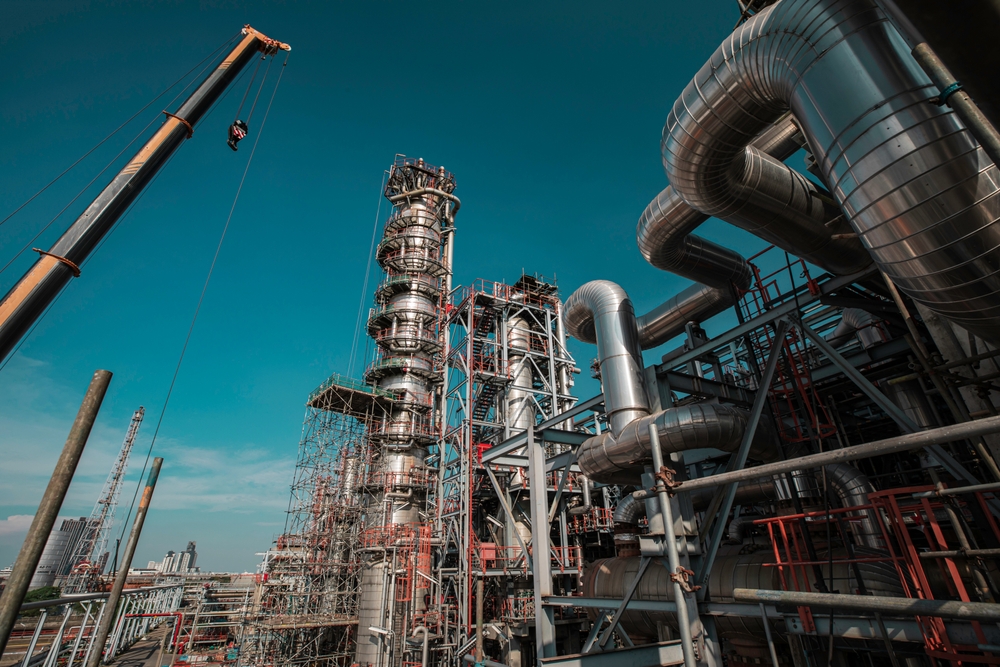
The price of gasoline starts with crude oil.
Oil is transported to refineries where it is broken into different fuels.
About half of each barrel typically becomes gasoline.
The rest is mostly turned into diesel and jet fuel.
From refinery to gas station
Once refined, gasoline moves through a complex distribution network.
It may travel by tanker ships, barges, or pipelines to storage terminals.
From there, tanker trucks deliver it to individual gas stations.
Each step adds additional costs before the fuel reaches drivers.
Breaking down the cost of a gallon
Crude oil remains the largest cost in gasoline.
Based on Tuesday’s oil price, crude would account for roughly $2 of a gallon of gas.
The typical wholesale gasoline price sits around $2.64 per gallon.
That leaves about 64 cents to cover refining costs alone.
Taxes add a significant share
Taxes are another key component of gas prices.
There is a federal gasoline tax of 18.4 cents per gallon that has not changed since 1993.
States add their own taxes, which vary widely across the country.
They range from about 9 cents per gallon in Alaska to roughly 71 cents in California.
Seasonal changes push prices higher

Time of year also affects fuel prices.
Beginning in March, gas stations switch to a more expensive “summer blend” designed to reduce smog.
That seasonal fuel can add around 20 cents per gallon.
Because of this change and increased driving, prices often peak in mid-April.
Gas stations face pressure too

Local station owners ultimately set the final price, but their margins are small.
Gas stations typically make about 15 cents in profit per gallon, according to the National Association of Convenience Stores.
“When wholesale prices rise like they have over the past week, retailers trim their margin, because they don’t know what everybody else bought their fuel at and they want to be competitive,” said spokesperson Jeff Lenard.
“They have less money and because the higher gas prices put them in a bad mood,” he said. “And that’s always bad for retail sales.”



