
 Nicolai Haugsted
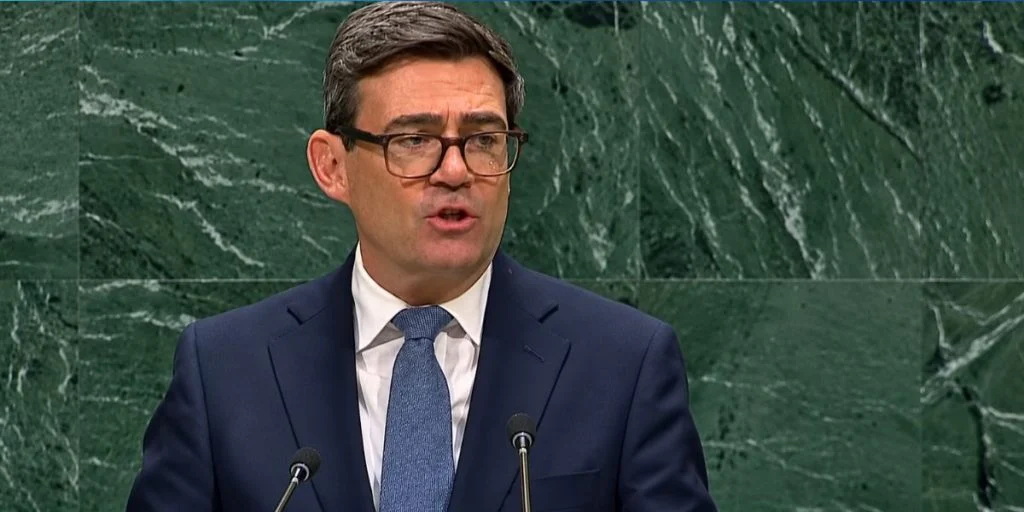
British Prime Minister Andy Burnham has reignited the Brexit debate with a bold proposal for closer ties with the European Union.

Britain has spent much of the past decade trying to establish what its future outside the European Union should look like.
But with economic growth proving difficult to achieve and the consequences of Brexit still shaping British politics, the country’s relationship with Brussels is once again coming under scrutiny.
Now, Prime Minister Andy Burnham is signalling that the government may be ready to reconsider an issue his predecessor preferred to leave untouched.
Speaking to parliament on Monday, Burnham confirmed plans for a major UK-EU summit next month and argued that Britain must be willing to examine its long-term relationship with the bloc.


His remarks have already revived a political argument that has divided the country since the historic referendum in 2016.
Burnham wants a new deal with Brussels
The prime minister confirmed that Britain and the EU will meet on November 20, following the postponement of an earlier summit after former Prime Minister Keir Starmer resigned.
Burnham hopes to use the meeting to secure agreements designed to strengthen economic cooperation.
Among his priorities are closer alignment of food standards, linking Britain’s emissions trading system with the EU’s equivalent, and expanding opportunities for young people to study, work and live abroad.
The government believes such measures could help reduce trade barriers and encourage economic growth.
But Burnham made clear that his ambitions extend beyond individual agreements.
“It is in Britain’s interests to secure a deal along these lines … I believe our chances of doing so will be enhanced by being open to a discussion about our relationship with the EU in the longer term,” he told parliament.
His comments suggest that the government is prepared to discuss broader changes to Britain’s relationship with the EU rather than simply improving the existing arrangements.
Brexit is back on the political agenda
Burnham’s position marks a significant departure from the approach taken by Starmer, who had avoided reopening the divisive debate over Britain’s EU membership.
The new prime minister, who supported remaining in the bloc during the 2016 referendum, believes the country should reconsider its options.
He argues that Britain’s current relationship with the EU is not delivering the economic benefits the country needs.
“If we are serious about promoting growth, controlling immigration, upholding our values and security, it is a conversation we must have. Sticking with the status quo is not good enough for Britain.”
The comments revive questions that many British politicians had hoped were settled when the country formally left the EU.
In the 2016 referendum, 52 percent of voters supported leaving, while 48 percent voted to remain.
A decade later, Burnham believes the public should be allowed to reconsider what kind of relationship Britain wants with its European neighbours.
He has previously called for a “calm, clear-eyed look” at the available options, including the possibility of rejoining the EU.
Opposition leaders are already divided
Burnham’s remarks quickly exposed familiar divisions among Britain’s political parties.
Conservative leader Kemi Badenoch rejected the suggestion that returning to the EU would provide a straightforward solution to Britain’s economic difficulties.
She described the idea as “lazy thinking”, arguing against the assumption that renewed membership would automatically resolve the country’s problems.
Liberal Democrat leader Ed Davey took the opposite position.
He believes Britain should eventually return as a full member of the European Union.
Their contrasting responses highlight the political challenges facing Burnham as he attempts to establish a new direction for Britain’s European policy.
Closer cooperation on trade and other practical issues may attract broader support, but the possibility of reversing Brexit remains considerably more contentious.
Public opinion may have shifted since 2016
Burnham also pointed to opinion polls suggesting that British attitudes towards EU membership have changed since the referendum.
Several surveys have indicated growing support for rejoining the bloc.
However, that support becomes less clear when voters are asked about the conditions that might accompany membership.
Questions involving financial contributions to the EU budget and the possibility of adopting the euro can significantly reduce enthusiasm for returning.
The prime minister acknowledged the importance of public opinion and reiterated that any major decision about Britain’s future relationship with the EU would ultimately belong to voters.
For now, he is advocating a more pragmatic approach focused on improving cooperation while keeping longer-term possibilities open.
“I am clear that public opinion currently supports a pragmatic approach like the one I am suggesting,” he told parliament.
“This is the leadership we need to draw a line on a decade of drift and division and take the country forward.”



