
 Mikkel Christensen
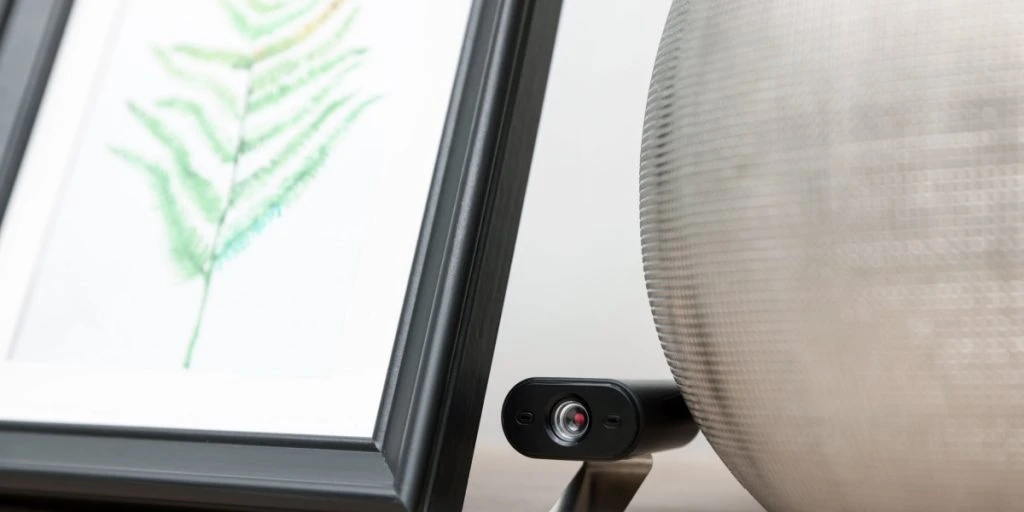
Surveillance is often associated with cameras, spyware or hidden monitoring systems.


Surveillance is often associated with cameras, spyware or hidden monitoring systems.
But today, ordinary devices used for convenience and safety may be quietly collecting data in the background.
Recent reporting and consumer research suggest that technology many people rely on daily can generate signals that reveal movement patterns, habits and behavioral insights.
TechXplore reports that modern vehicles use tire pressure monitoring systems that emit unique radio signals.


The systems are designed to improve safety, but researchers warn that the signals could potentially be intercepted and used to track a vehicle over time.
Small signals, big footprints
Tire pressure sensors are mandatory in many countries and continuously transmit data to a vehicle’s onboard computer. According to TechXplore, these signals can function as a kind of digital fingerprint.
That means a vehicle could theoretically be recognized without relying on GPS or camera surveillance.
The technology was not created for tracking, but privacy risks can emerge when wireless systems are not fully secured.
The smart home effect
Cars are not the only devices collecting data. The New York Times Wirecutter reports that many smart home products gather information about usage patterns, voice commands and network activity.
While the purpose is often to improve functionality and personalize services, the data may also be shared with manufacturers or third parties depending on user settings and company policies.
Consumers are not always fully aware of how extensive this data collection can be or how long the information is retained.
The phone in your pocket
Smartphones may be the most powerful data collectors of all. According to WeAreTechWomen, devices can log location data, app activity, search behavior and movement patterns, even when not actively in use.
Many applications collect background data, and permissions are frequently granted without close review, allowing companies to gather more information than users may realize.
Taken together, signals from cars, home devices and mobile phones can create a detailed picture of daily routines.
What to do to avoid
Consumer advocates say users should actively review privacy settings on smartphones and smart devices and disable features that are not essential.
The consumer organization Which? advises smartphone owners to adjust app permissions, review data-sharing settings and ensure security features are activated to better protect personal information.
Limiting constant location access, restricting background app activity and keeping devices updated can reduce exposure.
Surveillance today does not necessarily rely on visible cameras. It can operate through routine signals generated by the technology we use every day, making awareness and proactive settings management increasingly important.
Sources: TechXplore; The New York Times Wirecutter; WeAreTechWomen; Which?



