
 Kenneth Glad
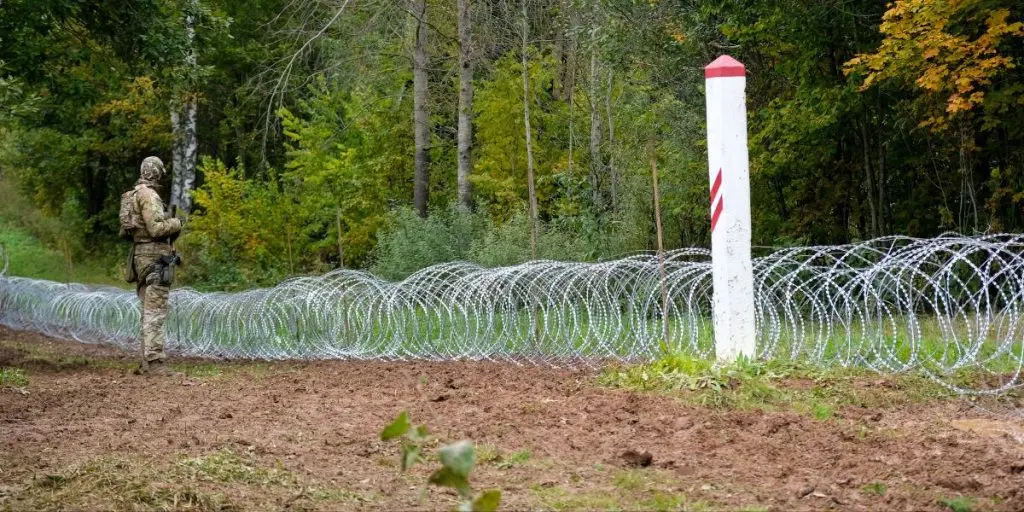
Governments in the region are reviewing a range of security concerns. No specific operation, location or timetable has been confirmed.


Baltic governments are assessing new warnings involving critical infrastructure, border activity and possible Russian pressure, according to Polish outlet Wiadomosci WP.
Lithuanian President Gitanas Nauseda said intelligence services had raised the possibility of physical damage to national infrastructure. The information did not identify where such an operation might happen or when it could take place.
After meeting Nauseda in Vilnius, Latvian President Edgars Rinkevics said NATO countries had received intelligence about possible Russian-linked sabotage and other attempts to weaken regional security, the outlet reports.
Attention has also turned to Lake Peipus, where Russia carried out live-fire exercises on July 9 without notifying Estonia in advance. The lake runs along part of the border between the two countries. Estonian Defence Minister Hanno Pevkur said border guards had monitored the drills.


Pressure beyond the border
The Baltic Times writes that Moscow may be preparing legal claims against Lithuania, Latvia and Estonia over the treatment of Russian-speaking residents. It’s unclear whether the cases have been filed.
Retired Polish general Roman Polko, a former commander of GROM, Poland’s elite military special forces unit, told Wiadomosci WP that the public should not panic. He added that Russian exercises near NATO territory also give neighbouring armed forces an opportunity to study the equipment and tactics involved.
Polko drew greater attention to methods that are harder to attribute. He referred to Russia-linked shadow-fleet vessels dragging anchors across the seabed, with the potential to damage undersea infrastructure, as well as drones, influence agents and operations carried out under false identities.
The Lake Peipus drills, infrastructure warnings and legal reports are separate developments. Together, they have kept governments focused on pressure that may fall below the threshold of open conflict.
Ukraine affects the calculation
For Polko, the war in Ukraine remains closely tied to security elsewhere in Europe. Russian units fighting there, and resources used to defend against Ukrainian strikes, are not available for other operations.
He said weaker support for Kyiv could give Moscow more room to act against NATO countries. Political disputes that damage relations between Poland and Ukraine may also serve Russian interests.
The retired general added that the Kremlin could use any confrontation with NATO to support its domestic claim that Russia is facing an aggressive West.
Sources: Wiadomosci WP, The Baltic Times



