
 Nicolai Haugsted

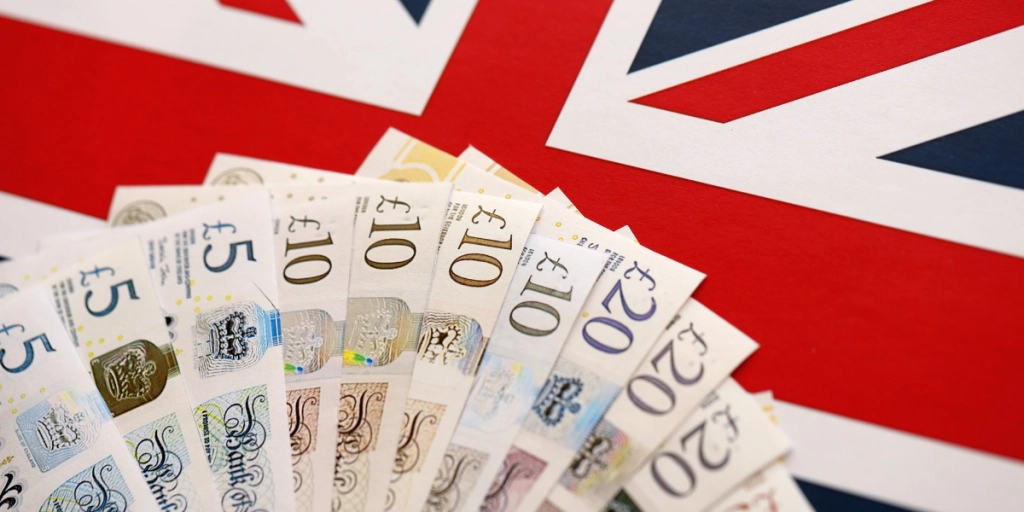
British households could face significantly higher supermarket bills next year as food inflation threatens to reach 5%.


British supermarkets have so far managed to shield consumers from some of the economic consequences of rising global energy prices. Despite significant increases in the cost of fuel and mounting pressure on businesses, grocery prices have remained relatively stable compared with previous periods of economic turbulence.
However, households hoping that their weekly supermarket trips will remain largely unaffected throughout 2027 may be in for a disappointment.
According to The Guardian, senior officials at the Bank of England have warned that food inflation could accelerate considerably over the coming months, with rising energy costs and unpredictable weather conditions threatening to make everyday essentials more expensive.
Speaking before the Treasury select committee, Bank of England deputy governor Clare Lombardelli revealed that annual food inflation, currently standing at approximately 1.3%, could reach between 3% and 5% by the middle of next year.


“We think that … it will go up to 3 to 5% in the middle of next year. I mean, obviously that’s quite uncertain, but that pressure is there,” Lombardelli said.
Supermarket competition has helped keep prices down
Despite the economic disruption caused by the war in Iran, British consumers have so far avoided the dramatic increases in grocery prices experienced during the previous inflation crisis.
Back in 2023, food inflation exceeded 17% as the consequences of Russia’s invasion of Ukraine compounded existing supply chain problems following the Covid-19 pandemic.
The current situation has been considerably less severe, even though petrol and diesel prices have increased by more than 33% over the past year.
Catherine Mann, an external member of the Bank’s monetary policy committee (MPC), believes competition between supermarket chains has played an important role in limiting price increases.
Price-matching initiatives, particularly those targeting discount retailers such as Aldi, have become increasingly prominent across the British grocery sector.
Such competition gives retailers an incentive to absorb some additional costs rather than immediately passing them on to customers.
Unfortunately for shoppers, competitive supermarket pricing can only provide so much protection when the costs of producing, transporting and storing food continue to mount.
Mother Nature could complicate the economic recovery
Global energy markets are not the only concern keeping economists at the Bank of England occupied.
Governor Andrew Bailey revealed that officials are also monitoring the potential consequences of an unusually powerful El Niño weather event.
The climate phenomenon can disrupt agricultural production across different parts of the world, potentially affecting harvests and the availability of certain food products.
Precisely how much of an impact it will have on British supermarket prices remains unclear.
“There is uncertainty around this. You know, we still don’t know what the impact of this El Niño effect is going to be, for instance, because it will take time for it to manifest,” Bailey explained.
Meanwhile, falling oil prices have provided some encouragement for economists.
Crude prices have declined significantly following the Democratic Party’s success in the US midterm elections, which raised hopes of an end to the conflict in Iran, alongside the emergence of alternative sources of supply.
Should oil prices remain at their current levels, Bailey indicated that overall British inflation could peak below the previously anticipated figure of nearly 5% next year.
Households already face an expensive start to 2027
Even if developments in global energy markets prove favourable, British households will not escape all the financial consequences of recent price increases.
Overall inflation reached 3.6% in October, while millions of households are already preparing for a substantial increase in their energy bills.
The household energy price cap is scheduled to rise by 26% in January, adding further pressure to family budgets shortly after the expensive Christmas period.
Higher energy costs could also create additional challenges for food manufacturers and retailers, potentially contributing to the anticipated increase in grocery prices.
For households already carefully calculating the cost of their weekly shopping, the prospect of simultaneously paying more for heating and food offers little financial comfort.
Bank of England officials disagree over interest rates
The parliamentary hearing also exposed significant differences of opinion among the economists responsible for determining Britain’s interest rates.
Earlier this month, the monetary policy committee increased the benchmark interest rate by 0.25 percentage points to 4%, marking its first increase in more than three years.
Committee member Swati Dhingra suggested that the decision could serve as a precautionary measure rather than the beginning of a prolonged series of increases.
She pointed out that approximately 20% of consumer prices had responded to this year’s energy shock, compared with around 70% at a similar stage of the inflation crisis in 2022.
Mann, however, expressed concern that the Bank had allowed inflation to remain above its 2% target for five years, potentially damaging public confidence in its ability to maintain price stability.
She favours more aggressive intervention to prevent inflation from becoming entrenched.
“The optimal response is to hike more and sooner,” Mann said.
The monetary policy committee will meet again on December 17, when officials must determine whether another interest rate increase is necessary.



