
 Kenneth Glad
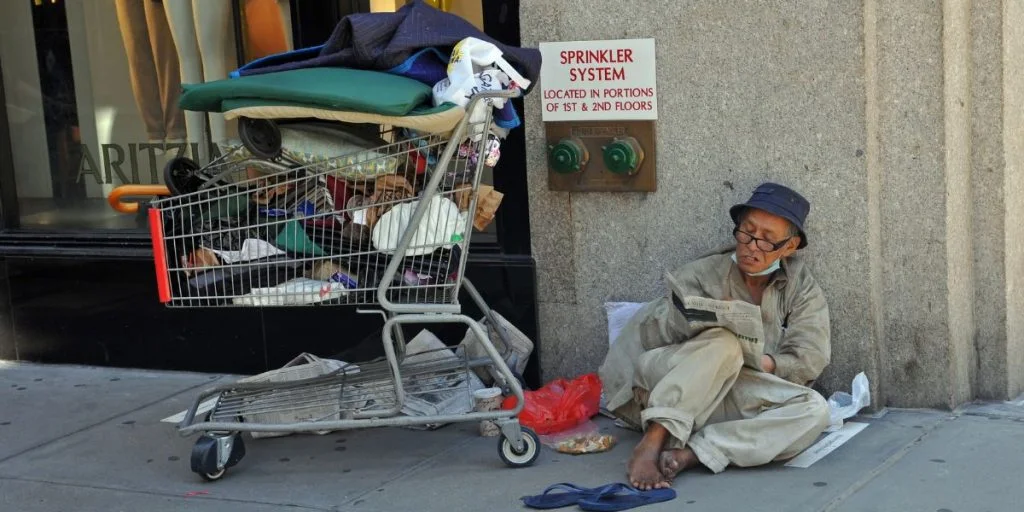
New figures provide a clearer picture of how people without stable housing died during the latest reporting year. They also reveal where significant health and data challenges remain.


New York City recorded 634 deaths among people experiencing homelessness between July 1, 2024, and June 30, 2025, according to the city’s annual report. That was down nearly 18 percent from 770 deaths in the previous fiscal year.
Drug-related causes remained the leading category despite falling sharply. The city recorded 251 such deaths, compared with 348 a year earlier, a decline of about 28 percent. Alcohol misuse or dependence caused another 34 deaths, meaning the two categories together represented roughly 45 percent of the total.
Heart disease was responsible for 78 deaths, while 60 resulted from accidents excluding drug overdoses. Cancer caused 23 deaths. The report also counted 18 suicides, 15 deaths from cold exposure or hypothermia, 15 subway accident deaths, 14 motor vehicle accident deaths and 11 homicides.
The review includes people staying in shelters as well as those living outdoors, in subway areas, abandoned buildings or temporarily with acquaintances. Hospitals accounted for 58 percent of deaths. Fifty-two percent of those who died were classified as unsheltered, while 48 percent died in homeless facilities.

The count has limits
The report warns that the total may be incomplete. The health department did not receive matching data from several agencies that provided temporary shelter to migrants, meaning some deaths may not have been identified as involving people experiencing homelessness.
Most cases included in the review were investigated by the Office of the Chief Medical Examiner. The annual report, now in its 20th edition, is required by law and helps city agencies identify health problems affecting homeless residents.
Earlier findings have also informed opioid overdose-prevention programs and naloxone training aimed at reducing deaths linked to substance use.
Separately, the New York Post reported that 83,197 people were in the city shelter system as of August 6. It also said that New York City extended a $1.86 billion hotel contract providing emergency shelter space for another three years.
Sources: Report by New York City Department of Health and New York City Department of Social Services/Homeless Services; New York Post



