
 August M
Fast food has a massive global footprint. But behind the scenes, the agricultural networks that feed these cravings are incredibly fragile.


When a sudden shift disrupts farming markets, a staple crop can quickly become a giant financial headache, TV 2 News reports.
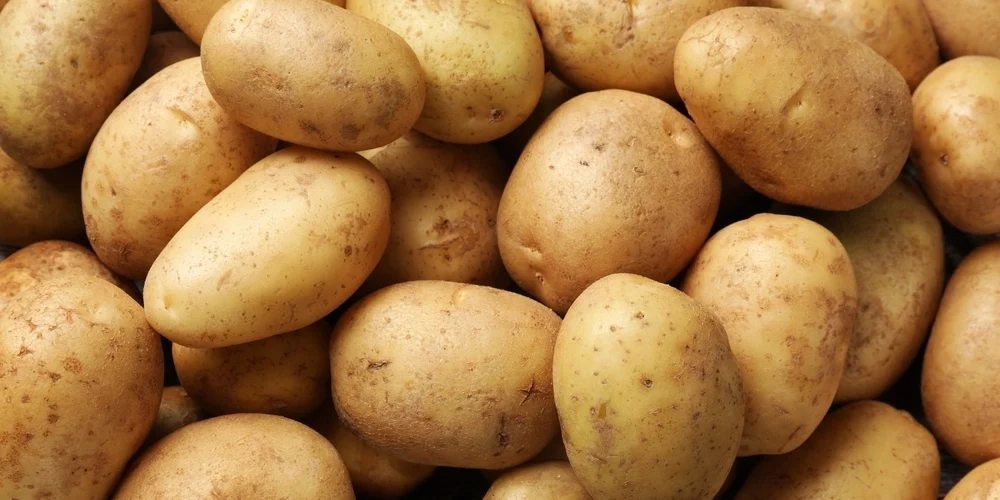
Mountains of spuds
A massive supply glut is hammering northern Europe’s potato farmers, causing market prices to crash. The New York Times reported from the Belgian town of Walhain, where growers face historic surpluses of crops meant for French fries.
In May, farmer Kris D’haeyere dumped his entire harvest right back into his fields. It was simply the cheapest way to clear his massive five-meter-high mountain of potatoes.
The crisis has left many producers deeply worried. “It’s bad, of course, but that’s life. I think the good years are over,” D’haeyere told the newspaper.


This pain spreads far beyond Belgium. Earlier this year, desperate German farmers handed out four million kilos of free potatoes to residents in Berlin just to avoid wasting them.
A global pileup
The roots of the problem run deep. According to the analysis firm DSA Market Intelligence, a massive surplus of 3.3 million tons of French fry potatoes piled up across Belgium, France, Germany, and the Netherlands by late 2025.
Since then, the supply has only grown. The New York Times reported that a mix of record harvests, new US tariffs, and fewer restaurant visits started the slump.
Geopolitical friction worsened the situation. The war in Iran led to a blockade of the Strait of Hormuz, driving up energy, shipping, and fertilizer costs for European farms.
Squeezing the market
Even neighboring countries feel the squeeze. Carl D. Heiselberg, chairman of the trade group Danish Potatoes, told TV 2 that local growers face stiff competition from expanding markets in India and China.
Heiselberg explained that European overproduction forces table potatoes to be sold off as cheap starch. “When there is overproduction in Europe, the table potatoes are sold as starch, which is not possible in Denmark,” he said. He added, “That’s what presents us with a challenge in the short term,”
The chairman noted that overseas competitors operate under much looser regulations. “If people out there decide they want to make potatoes, they do it. We are fighting to get permission, while they are being forced to do it,” he said.
Despite the farm chaos, shoppers will see little change at the supermarket. TV 2 noted that the surplus only impacts frozen fry production, while standard table potato prices remain stable.
Sources: TV 2, The New York Times, DSA Market Intelligence



