
 Anna Hartz

Coordinated wave of bomb hoaxes disrupts flights across Europe


Commercial aviation depends entirely on an unshakeable sense of security. Millions of travelers board metal aircraft every single day.
They place complete faith in air traffic controllers and pilots and ground crews. Yet an anonymous telephone call or a single fraudulent digital message can shatter that calm within seconds.
Airport security protocols demand immediate emergency responses regardless of probability. Authorities simply cannot gamble with human lives.
When an alarm sounds in modern aviation emergency squads must treat every scenario as an active crisis.


That exact disruption rippled across European skies on Tuesday morning.
It was coordinated
A coordinated wave of fake bomb threats targeted seven commercial flights within hours, reports el Economista. Police and military forces in Spain and Poland and Bulgaria and Italy rushed into action. Five of the affected aircraft belonged to the Irish carrier Ryanair.
The first major scare unfolded in southern Spain at Murcia International Airport. A Ryanair flight arriving from Manchester prompted an immediate full alert.
Authorities evacuated all the passengers on board without delay. A specialized bomb disposal team called TEDAX combed through the entire cabin and luggage hold. The experts confirmed that no explosives were present on board.
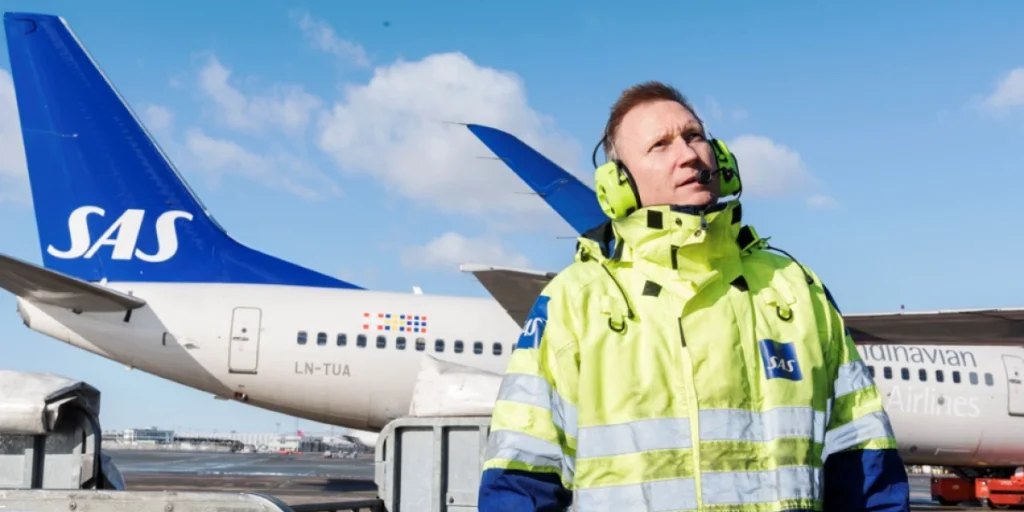
Two other alerts targeted flights heading toward the Polish capital. One aircraft departed from London under the Polish carrier LOT. The second plane flew from Copenhagen under the Scandinavian carrier SAS.
Both planes touched down safely at Warsaw Modlin Airport. Emergency responders cordoned off the tarmac and inspected the aircraft.
A hoax
Polish airport officials canceled the bomb warning at twenty-one minutes past noon and gradually resumed normal flight departures.
Bulgaria faced twin emergencies at Sofia Airport. Two incoming flights arrived from Bergamo and Dublin. Agents from the Specialized Counterterrorism Unit surrounded both aircraft on the remote runway.
Bulgarian Transport Minister Georgi Peev announced that inspectors found no explosive devices.
The final two flights touched down at Rome Fiumicino Airport after departing from Dublin and Lisbon. Italian officials launched rigorous safety inspections on the tarmac.
The Italian Air Force even scrambled two fighter jets to escort one plane safely to the runway. Every single alert across Europe proved to be an empty hoax.



