
 Nicolai Haugsted

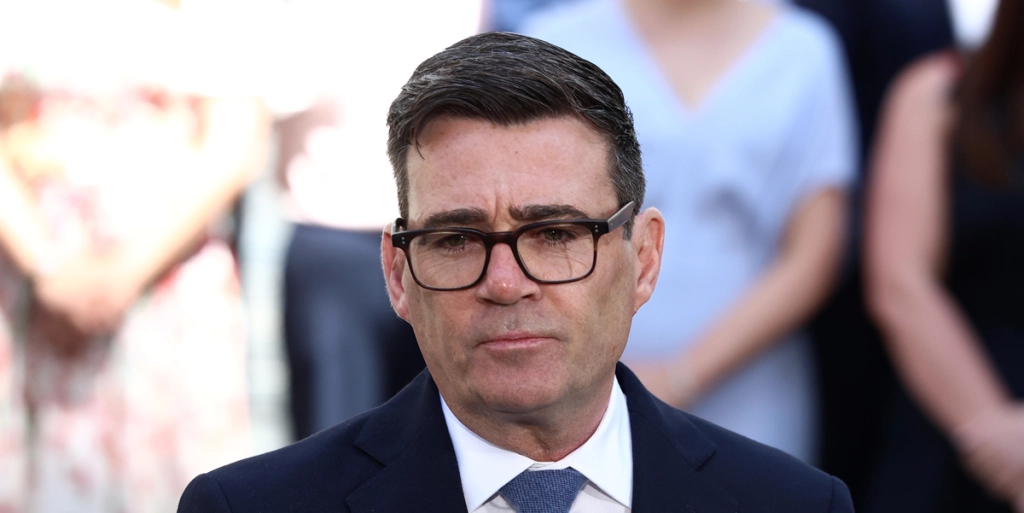
The government’s own impact assessment suggests that the financial benefits of closer cooperation with Brussels remain highly uncertain.


British households have spent years watching their weekly supermarket bills become increasingly expensive, leaving politicians under considerable pressure to find ways of easing the cost of living.
Prime Minister Andy Burnham has presented his government’s new agreement with the European Union as an opportunity to make everyday essentials more affordable. However, shoppers may want to hold off on celebrating just yet.
According to The Sun, the government’s own impact assessment has revealed that lower food prices are far from guaranteed, despite the prime minister’s optimistic predictions about the economic benefits of closer cooperation with Brussels.
While the agreement could reduce some of the costs associated with food production and international trade, several other economic factors could prevent those savings from reaching supermarket shelves.


Cheaper groceries are far from guaranteed
Burnham has argued that removing unnecessary bureaucracy between Britain and the European Union would ultimately benefit consumers.
“It’s very clear to me that if we remove this red tape, we will lower the cost of the weekly shop,” the prime minister said earlier this week.
However, the government’s assessment offers a considerably more cautious outlook.
Although reducing trade barriers could help ease food price inflation, the document acknowledges that production costs represent only part of the equation when determining how much consumers ultimately pay.
“Many other factors such as energy prices, labour costs, exchange rates, and the extent to which producers have previously absorbed cost increases to date all play a part,” the assessment states.
Rising energy bills remain a significant concern for businesses, while employers have also complained about increased labour expenses following minimum wage rises.
Consequently, any financial benefits generated by the agreement could be offset by higher costs elsewhere, leaving households with little noticeable difference at the supermarket checkout.
Conservatives question the financial benefits
The government’s cautious assessment has provided opposition politicians with fresh ammunition against Burnham’s efforts to strengthen Britain’s relationship with the European Union.
Conservative shadow Treasury spokesperson Richard Fuller questioned whether the potential savings justified the wider financial commitments associated with the agreement.
“The Prime Minister is asking families to celebrate savings of a few pennies on their weekly shop from his EU “deal”,” Fuller said.
His criticism comes as further details about Britain’s financial obligations under the agreement have emerged.
According to The Sun, the recently published legal documents include a participation fee that could leave British taxpayers facing costs running into millions of pounds.
Closer cooperation comes with financial commitments
Under the terms reported by the newspaper, Britain has agreed to contribute four per cent towards the costs of relevant European Union agencies.
The financial commitment forms part of the arrangements aimed at removing border checks on food exports and connecting Britain’s carbon market with the European Union’s system.
British businesses covered by the agreement will also be required to follow relevant evolving EU regulations, including companies that do not export their products to the continent.
For the government, reducing trade barriers represents an opportunity to simplify commercial operations and potentially ease inflationary pressures. Whether those advantages will translate into cheaper groceries, however, remains uncertain.
Burnham may have secured an agreement intended to reduce the cost of doing business with Europe, but his government’s own assessment suggests that the supermarket receipt will ultimately depend on considerably more than what was negotiated in Brussels.



