
 Kathrine Frich

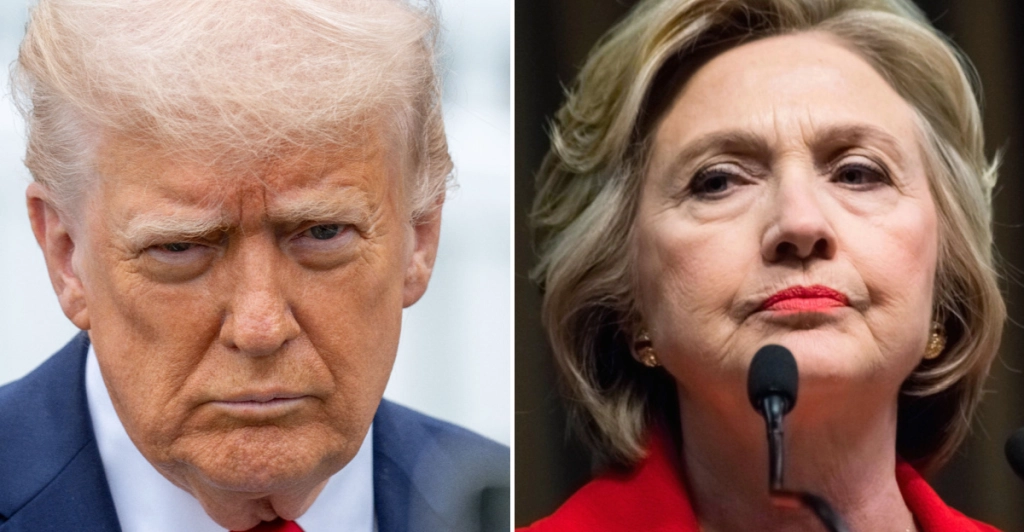
Campaign workers calling voters and going door to door kept running into the exact same wild accusations.


A wild rumour on the internet used to stay in the dark corners of message boards.
Today, a made-up story can spread to millions of screens before anyone checks the facts.
One former presidential contender says she learned that lesson the hard way.
Caught off guard
According to HuffPost, Hillary Clinton looked back on the dirtiest moments of her 2016 presidential run during a Wednesday conversation with journalist Kara Swisher. Looking at the digital attacks aimed at her campaign, the former secretary of state admitted that one bizarre smear did real damage.


“Facebook was the worst offender against me, and Pizzagate, which was just a huge lie that took off,” she said.
As HuffPost notes, the baseless rumour claimed that Clinton and her campaign chair, John Podesta, were operating a hidden child sex ring underneath Comet Ping Pong, a pizzeria in Washington, D.C.
The shop does not even have a cellar, yet Edgar Maddison Welch travelled from North Carolina in December 2016 and fired a gun inside the building to rescue children who were never there.
Looking back, Clinton told Swisher that her team was “frankly ill-prepared, unaware of how effective it could be.”
“I think Pizzagate was really effective when people used these ads against me. These really terrible, horrible, false claims about me were running all over the internet, some with Russian money, for heaven’s sakes.”
Knocking on doors
Out on the campaign trail, volunteers quickly saw how deep the lies had sunk in. According to HuffPost, campaign workers calling voters and going door to door kept running into the exact same wild accusations.
“The people who were campaigning for me, they were on the phones, they were knocking on doors, they would have voters say, ‘You know what? I can’t vote for her because she kills people, or she traffics children,’ or whatever they were told and that they believed.”
Whenever those canvassers pushed back on the claims, the voters gave a simple answer. “And when, you know, my supporters would say, ‘Where did you hear that? It’s not true.’ They’d say, ‘Oh, I saw it on the internet,’” she added.
Clinton told Swisher that “the naivete and the susceptibility of people seeing a video or seeing something in print that looked legitimate was so powerful.” Because of that, she warned that voters cannot ignore the huge sums being spent during the current election cycle to spread fresh lies about Democratic candidates.



