
 August M
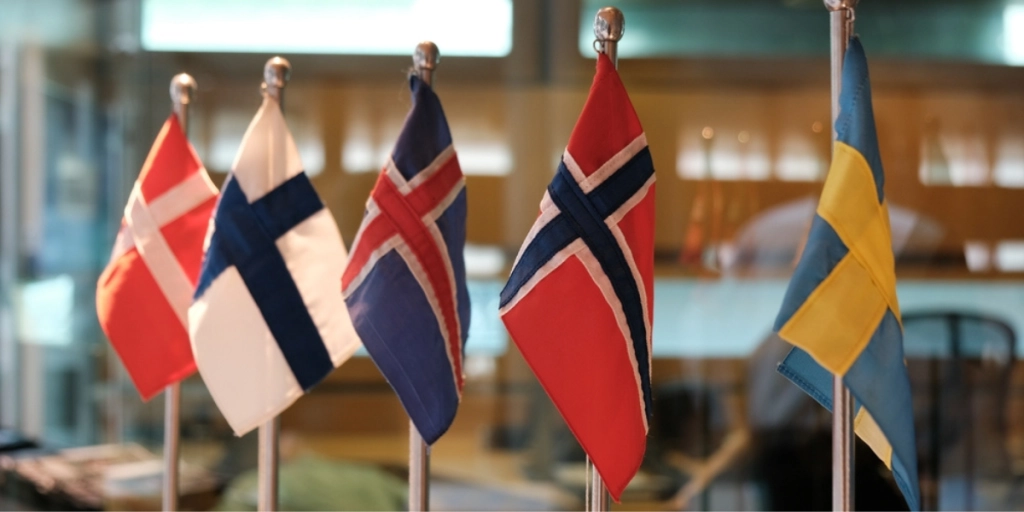
Travellers visiting northern Europe may struggle to find a familiar expression when asking for something politely.


Across Denmark, Sweden, Norway, Iceland and Finland, courtesy often depends on how requests are made rather than a single word equivalent to the English “please” reports BBC.
Ordering Food Politely
According to BBC Travel, Nordic languages have various ways of expressing politeness, but no universal translation that works exactly like “please” in every situation.
In Finland, customers can use Saisinko kahvia?, meaning “Could I have some coffee?” The language-learning platform Elon.io explains that Finnish conditional verb forms help make requests less demanding.
Danish language teacher Daniela Hummelgren told BBC Travel that efficient, straightforward communication is generally valued in Denmark, where elaborate expressions of courtesy may seem unnecessary.


“Efficiency is valued here and communication is generally direct,” she explained.
Asking for Assistance
When requesting help, Finnish speakers might say Voisitko auttaa?, meaning “Could you help?” Rather than adding another word, the grammatical structure makes the request courteous.
Dr James Puchowski, a linguist interviewed by BBC Travel, linked Nordic communication habits to social equality and a reduced emphasis on traditional forms of address.
This reflects broader Scandinavian attitudes associated with Jante’s Law, which discourages people from placing themselves above others.
Such cultural preferences influence everyday communication but do not mean Nordic speakers avoid formal or respectful language altogether.
Gratitude Still Matters
Expressions of thanks remain important throughout the region, including tak in Danish, tack in Swedish and kiitos in Finnish.
Language-learning provider Preply notes that Finnish speakers can also use anteeksi, meaning “excuse me”, when politely approaching strangers.
For visitors, understanding the distinction between vocabulary and social expectations is more useful than memorising a literal translation.
The absence of one all-purpose word does not indicate missing manners. Nordic languages simply offer different linguistic tools for communicating respect.
Sources: BBC Travel, Elon.io Finnish Grammar, Preply, Settemila Lingue.



