
 Nicolai Haugsted

Europe told to handle its own defense as Ivo Daalder mocks Washington’s “NATO 3.0”

Strategic realignment across the transatlantic alliance has sparked sharp pushback from former diplomatic officials.
Disagreements over Washington’s newly unveiled “NATO 3.0” concept—a framework designed to shift Europe’s conventional defense burden onto continental allies while American forces pivot toward the Indo-Pacific—have raised serious questions about the future of global security commitments.
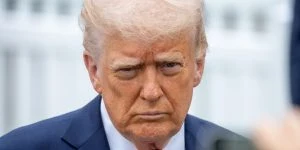
The strategy, spearheaded by defense officials and backed by President Donald Trump, envisions a division of labor where European states handle local defense while the U.S. shifts key military assets elsewhere.
Cosmetic fixes versus strategic reality


Criticism of the rebranding effort was swift among former national security leaders. Speaking on the alliance’s updated messaging, former U.S. Ambassador to NATO Ivo Daalder dismissed the official narrative as little more than window dressing.
“It really is like putting lipstick on a pig,” Ivo Daalder remarked during a discussion on the strategic shift, according to Euronews.
Argued by Daalder, authentic alliances rely on a shared assessment of global threats and a collective commitment to indivisible security—principles he warned have been functionally abandoned under current policies.
Force drawdowns and shifting European responsibilities
Restructuring plans pushed by Defense Secretary Pete Hegseth mean European nations face an abrupt reduction in direct American military support. Reductions include pulling back strategic assets like B-52 bombers and submarines, alongside cutting available combat aircraft assigned to European contingencies.
Warning that the strategy rolls back decades of post-Cold War stability, former defense official Ian Brzezinski expressed concern over the absence of a traditional American anchor on the continent.
“I worry about Europeans without US leadership,” Ian Brzezinski stated regarding the administration’s new posture.
While NATO Secretary General Mark Rutte framed the shift positively as creating “a stronger Europe in a stronger NATO,” continental leaders are taking matters into their own hands. Initiatives like a newly formed Anti-Ballistic Missile Coalition and independent surveillance procurement signal that European capitals are preparing for a future with a much smaller U.S. footprint.



