
 August M
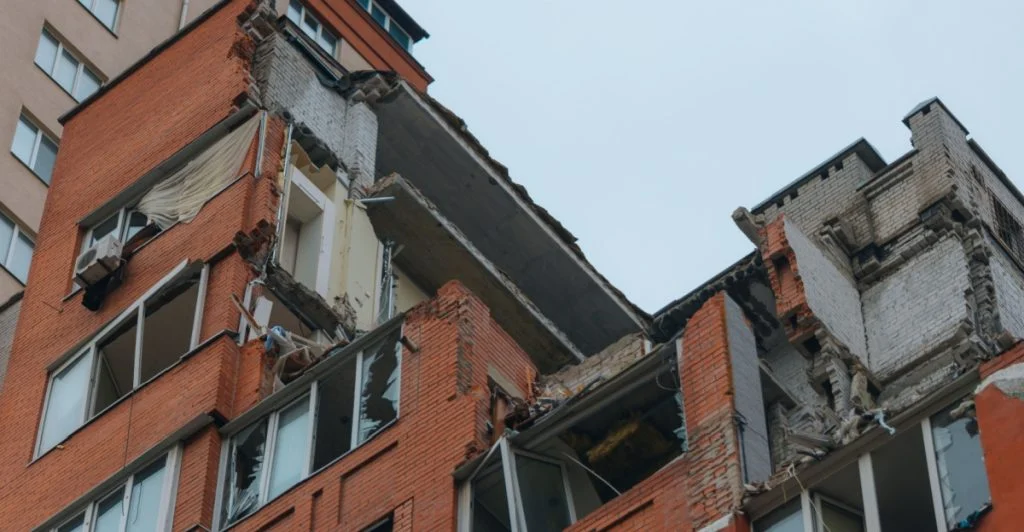
The price of repairing Ukraine after nearly four years of war is climbing sharply. A new international assessment suggests the bill will stretch into the hundreds of billions, with some sectors facing damage that could take decades to reverse.


According to AFP, cited by Digi24.ro, a joint report by the Ukrainian government, the World Bank, the European Union and the United Nations estimates reconstruction costs at $587.7 billion over the next ten years, or nearly €500 billion.
Rising Price Tag
The figure, published Monday, is equivalent to roughly three times Ukraine’s projected GDP in 2025, the report states. It reflects updated calculations of destruction caused since Russia’s full-scale invasion began in February 2022.
The document is compiled annually by the World Bank, the Ukrainian government, the European Commission and the UN to measure damage and long-term recovery needs.
The latest assessment covers 46 months of war, through December 2025, and concludes that costs continue to rise as fighting persists and infrastructure is repeatedly targeted.


Hardest Hit Sectors
Housing, transport and energy account for the largest share of projected needs, AFP reported. Long-term requirements are estimated at €82 billion for transport and €77 billion each for energy and housing.
Trade and industry could require around €54 billion, while agriculture is estimated at €47 billion.
Damage is concentrated in regions near the front lines and in major cities. Donetsk and Kharkiv regions, where fighting remains intense, are expected to demand particularly extensive rebuilding efforts.
Capital Under Fire
Kyiv alone may need more than $15 billion for reconstruction, according to the report, as the capital continues to face Russian drone and missile attacks. The city has around three million residents.
The authors warn that the human, socio-economic and environmental consequences of the invasion are likely to be felt “for generations”.
Since 2022, Ukraine’s Western partners have provided more than $400 billion in military, financial and humanitarian assistance, according to figures from the German Kiel Institute cited by AFP. Much of that support has been directed toward sustaining the war effort and stabilizing the economy.
The European Union approved a €90 billion loan package for 2026-2027 in December, with most funds earmarked for defense, though Hungary has opposed the measure.
Sources: AFP, Digi24.ro, World Bank, European Commission, United Nations



