
 Nicolai Haugsted
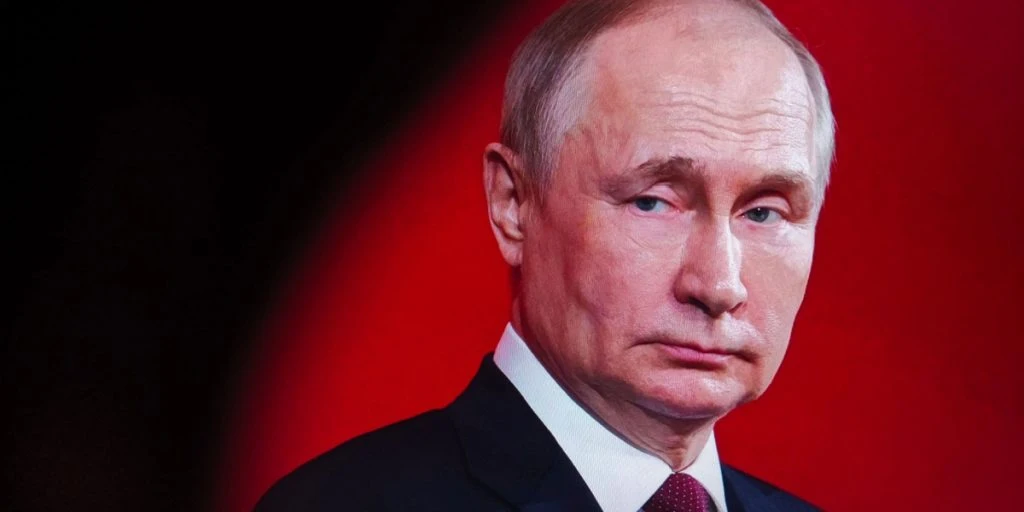
Japan confronts Russia after Putin’s unprecedented move near its shores.


Relations between Japan and Russia have come under renewed pressure after Vladimir Putin made his first visit to a group of strategically important islands that both countries claim as their own.
Tokyo responded with a formal diplomatic protest, summoning Russia’s ambassador after the Russian president travelled to Etorofu, known as Iturup in Russia.
According to The Guardian, Japanese Prime Minister Sanae Takaichi described Putin’s visit as “absolutely unacceptable”, reinforcing Tokyo’s longstanding claim to the territory just off the northern Japanese island of Hokkaido.
Japan refers to the disputed territory as the Northern Territories, while Moscow considers the islands part of the Southern Kurils.


Soviet forces seized the islands during the final stages of the Second World War after declaring war on Japan in August 1945.
Ownership has remained contested ever since. The disagreement has also prevented Japan and Russia from concluding a formal peace treaty settling their Second World War relationship.
Takaichi insisted that Japan’s claim was supported “both historically and under international law” and said Putin’s presence there was “incompatible with Japan’s consistent position” on the islands.
Foreign Minister Toshimitsu Motegi separately summoned Russian ambassador Nikolay Nozdrev as Tokyo registered its opposition.
Putin tours island claimed by Japan
Japanese television broadcast footage showing Putin visiting several locations on Etorofu during the trip.
His itinerary included a hospital and a processing facility, where the Russian leader sampled caviar. Putin also met people living on the island.
Former Japanese residents responded critically to the visit. Thousands of Japanese citizens were forced to leave the disputed territory following the Soviet takeover.
Around 17,000 Japanese people previously lived across the islands, while approximately 20,000 Russian citizens reside there today.
Geography makes the dispute particularly significant for both governments. Etorofu, Kunashiri, Shikotan and the Habomai islets sit close to Hokkaido and provide access to valuable fishing grounds and mineral resources.
Putin rejects Japan’s territorial claim
Putin subsequently travelled to Sakhalin, a Russian island north of Japan, where he observed naval exercises and defended Moscow’s position on the disputed territory.
The Russian president argued that international documents recognise the four islands as Russian.
Relations between Moscow and Tokyo had previously shown signs of improvement under former Japanese prime minister Shinzo Abe. Japanese citizens regained opportunities to visit family graves on the islands, while negotiations raised hopes that a peace agreement might eventually become possible.
Russia’s full-scale invasion of Ukraine in 2022 changed that relationship significantly. Japan joined other countries in imposing sanctions on Russian individuals and entities, prompting a deterioration in ties with Moscow.
Putin acknowledged Abe’s previous diplomatic efforts but described Japan’s more recent sanctions as “unprovoked”.
“Japan has identified Russia as a major source of threats. I would like to point out that we are not threatening Japan. On the contrary, it has territorial claims against our country,” Putin said.
Putin had never previously travelled to the disputed islands during his lengthy periods as Russian president.
Dmitry Medvedev became the first Russian leader to visit the territory while serving as president in 2010, travelling to Kunashiri during a period when Putin was prime minister.
Putin’s own appearance on Etorofu now gives the territorial dispute renewed diplomatic significance as Moscow and Tokyo remain divided over Ukraine, sanctions and sovereignty over the islands.



