
 August M
Standing up to an authoritarian government carries a heavy price.


While many choose to flee across borders for safety, escaping the reach of the state is becoming incredibly difficult. A newly enacted policy ensures that leaving home no longer prevents severe punishment, reports DR News
A harsh message
Russia is expanding its power to grab assets from citizens who flee. A new law allows the state to confiscate private holdings if an individual leaves the country and works against national interests.
According to a report by DR, lower house speaker Vyacheslav Volodin delivered a blunt warning when the rules passed in May. He made it clear that critics abroad must accept the risk of losing everything.
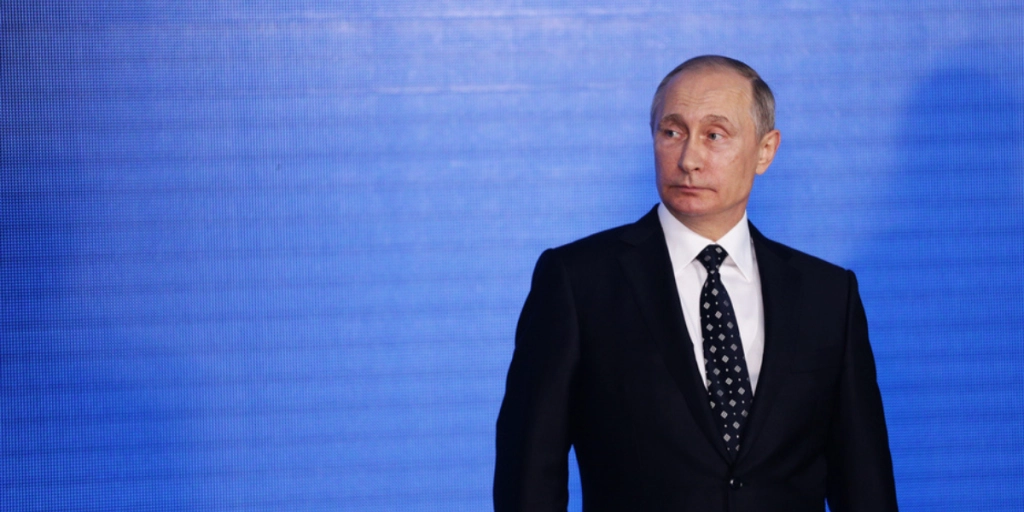
President Vladimir Putin recently signed the bill, which takes effect on September 1. Once active, the state can easily seize homes, apartments, vehicles, or bank accounts belonging to exiled critics.


Technically, these assets are taken to guarantee fines handed down during trials in absentia. However, civil rights advocates view the move as a direct escalation of state intimidation.
Broad criminal charges
Legal experts warn that the true scope of the law is terrifyingly vague. Maksim Olenichev, a lawyer for the civil rights group Pervyj otdel, noted that minor offenses could trigger immediate asset forfeitures.
Speaking to Radio Svoboda, Olenichev explained that anything violating the government’s view of traditional values will be considered hostile. For instance, merely calling the conflict in Ukraine a war completely contradicts state interests.
Officially, the Kremlin still mandates that the invasion be called a special military operation. This broad legal net allows the state to target almost any expatriate who speaks out online.
Spreading fear abroad
The legislation passed the Duma with total consensus from 384 members. Early iterations of the bill, noted by the newspaper Kommersant, specifically targeted overseas dissidents who lawmakers claimed were working to undermine the country.
Analysts believe the primary goal is psychological warfare. According to senior researcher Flemming Splidsboel from the Danish Institute for International Studies, who spoke to P1 Morgen, the law acts as a deterrent to suppress critical behavior.
Splidsboel noted that even attending a small demonstration outside an embassy could be treated as an unacceptable offense. Millions of exiled Russians now face a stark choice between silence or financial ruin.
Human rights activist Olga Romanova summarized the regime’s grim ultimate directive to Deutsche Welle: “First: Keep quiet. Second: Come back and sell your property.”
Sources: DR News, Radio Svoboda, Kommersant, P1 Morgen, Deutsche Welle



